

American Flavors
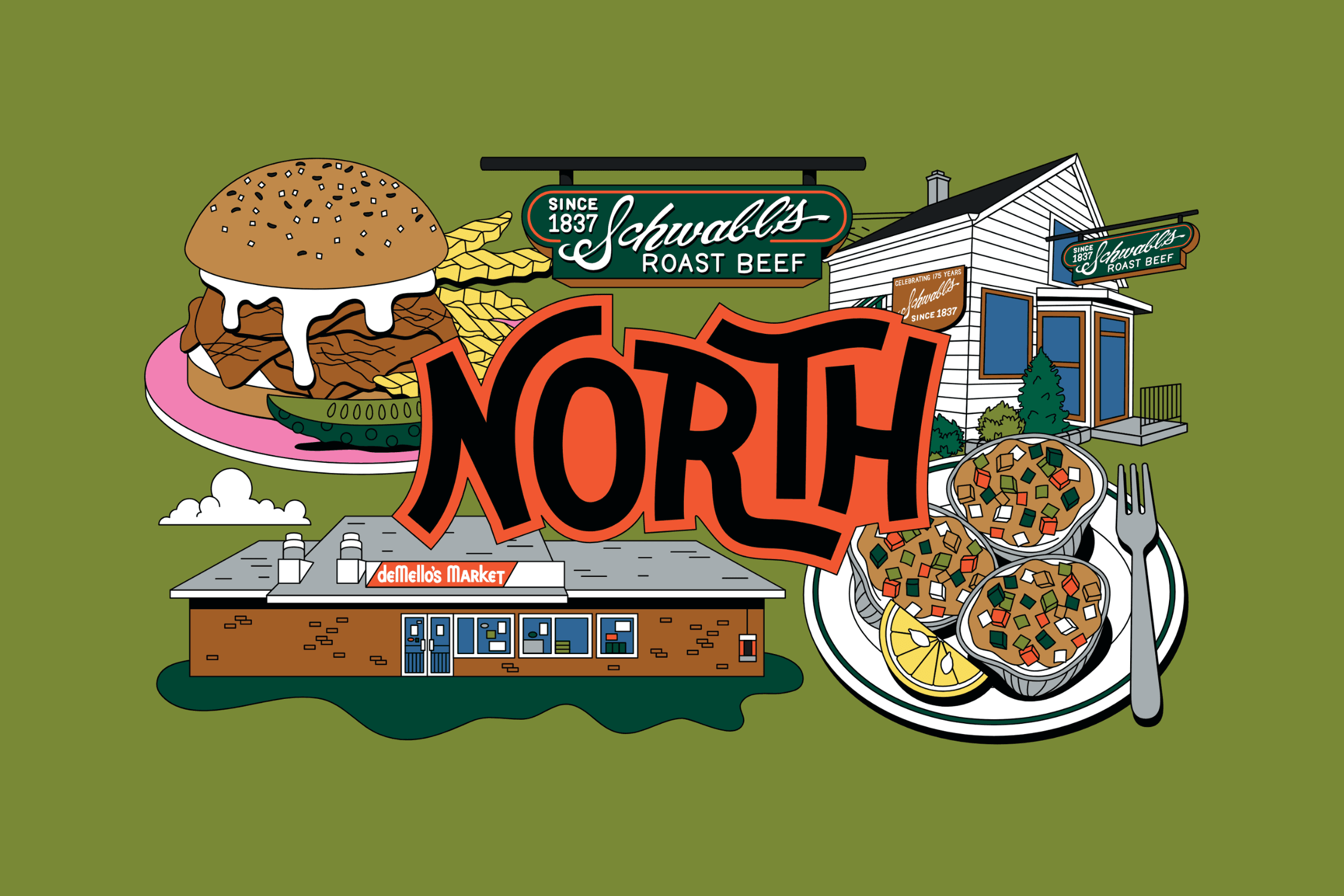
The North remembers: the menus of our upper tier preserve sagas of immigration, industry and invention.
Editor's Note: This story is part of a larger series on American Flavors, which highlights the uniquely American dishes that emerged as cultures converged. The series is inspired in part by the country's semiquincentennial and our quest for regional foods that help tell a deeper story of a place and its people.
Our northern deck of states leans into the hearty, the old-school, the Old World. It gets cold up here! From around the globe, people brought their best ideas for insulation. You can taste port-of-entry heritage, and see how folks set themselves a place at a new table. From the German-American tradition of beef on weck to the brilliant introduction of Pakistani chopped cheese, this is a realm of mingled traditions and tastes.
On the Menu
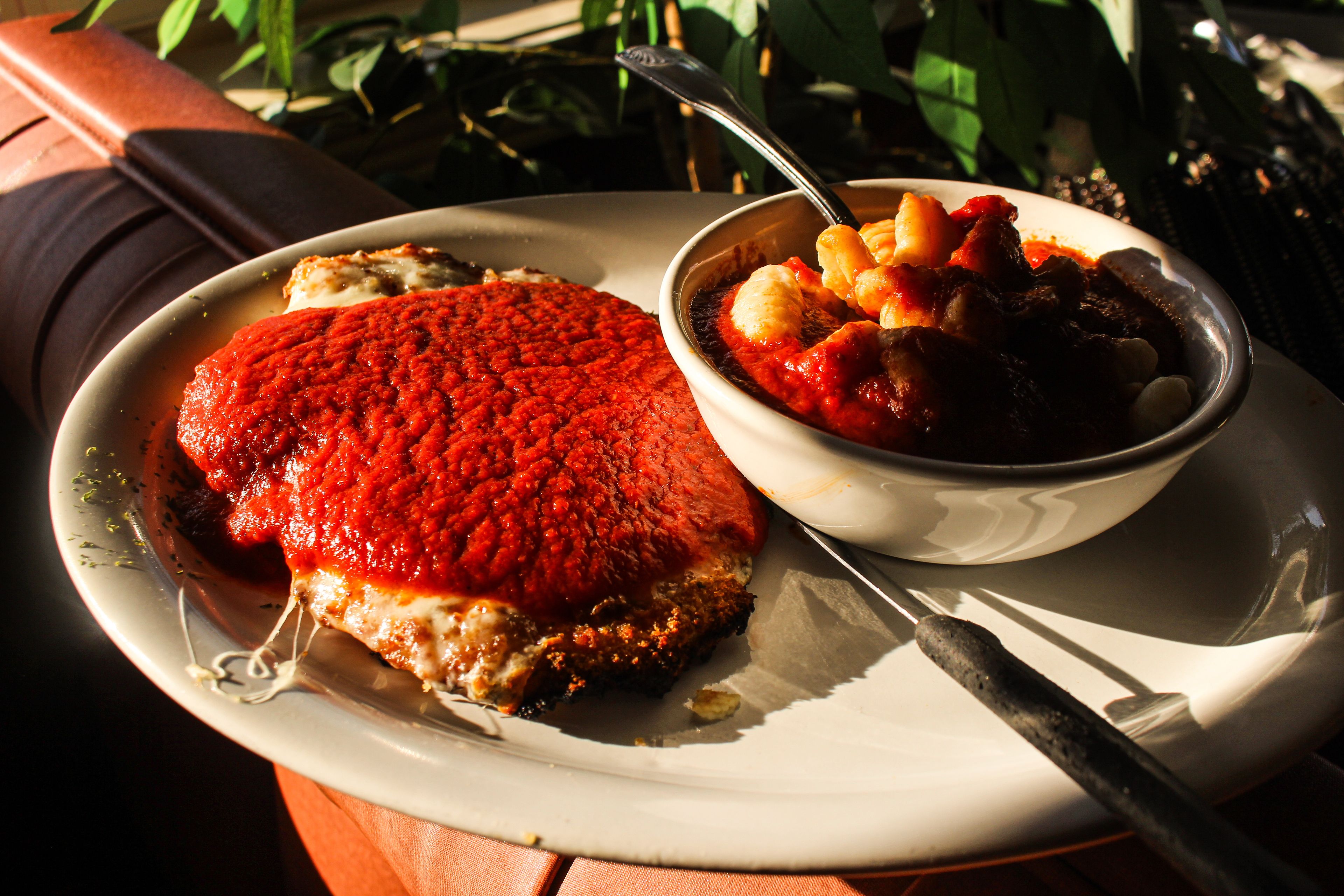
Chicken Parm
New York + New Jersey
Marinara. Mozz. Chicken cutlet. From these simple building blocks, an Italian-American legend was born. Philadelphia-area food writer Adam Erace confesses his love to this sophisticated, yet populist, staple of New Jersey off-ramp discoveries and big-city red-sauce stalwarts. You wouldn’t get it in Italy, and that’s the point. These flavors crossed the ocean and became something new (which is now something old). The crucial question: can the cutlet stay crispy?
RESTAURANT OF NOTE:
Ravioli House
Wildwood, NJ
Stuffed Quahog
Massachusetts + Rhode Island
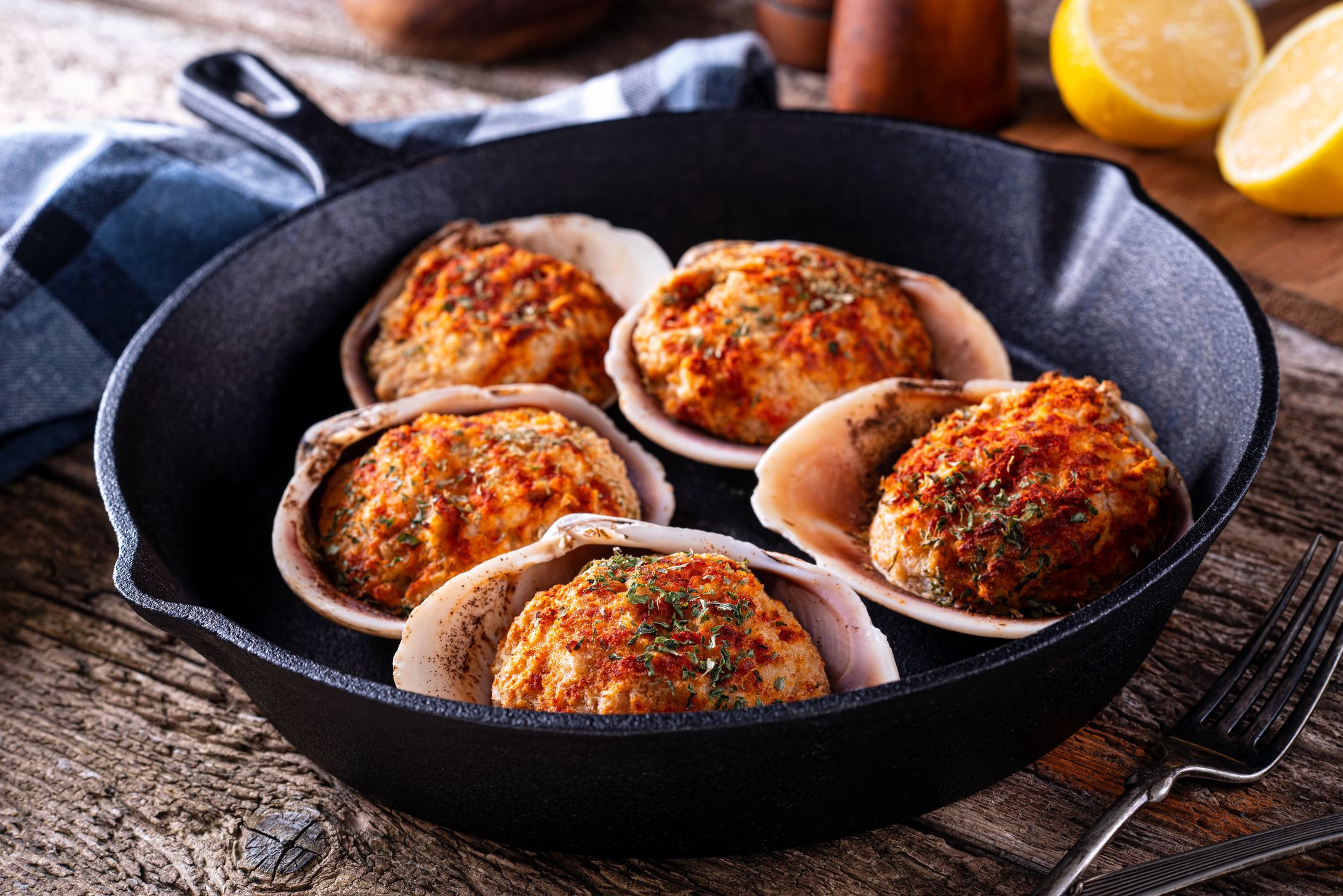
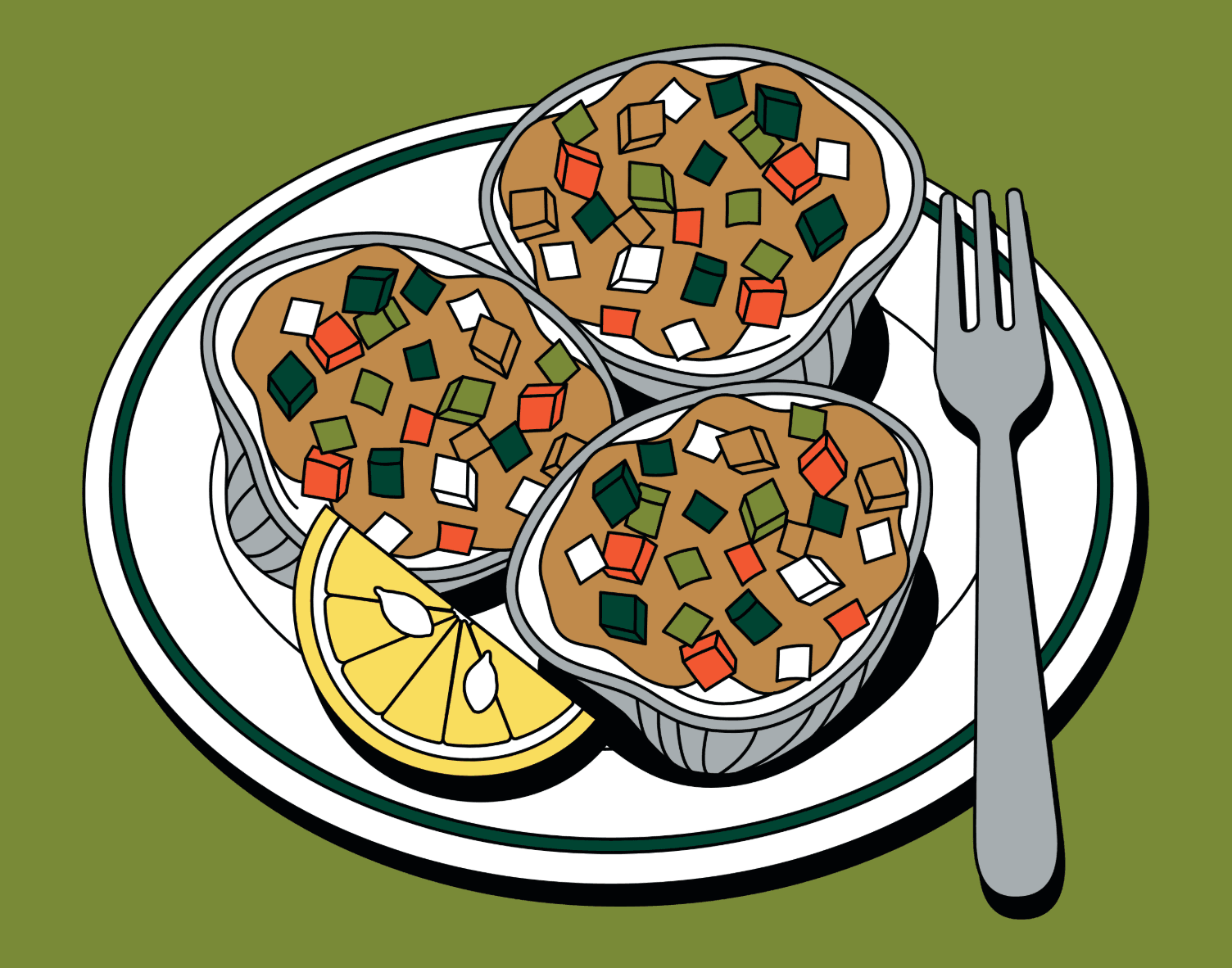
From the thrifty Portuguese grandmother of your dreams to you (if you’re in the right part of New England): clams, chouriço, bread crumbs, secret herbs and spices. Born of fishing and whaling towns, stuffed quahogs call back to Portugal but also capture the briny essence of our Atlantic edge. Cookbook author David Leite reflects on how one community’s special-occasion feasts turned into an American coastal tradition.
MARKET OF NOTE:
DeMello’s Produce Market
New Bedford, MA
Boston Baked Beans
Massachusetts
It's a dish that cozies up well to classic "all-American" picnic favorites like hot dogs and hamburgers. But there's more to the story behind everything on the plate. Boston baked beans blend the traditions and flavors of Native Americans, the English and the Caribbean. The Indigenous Narragansett and Penobscot peoples prepared beans with fire in buried clay pots. English Puritans arrived in the 1620s and adapted native beans and cooking methods to their bean-and-bacon pottage dish that often cooked on Saturdays for meals on the Sunday sabbath.
While Indigenous people might have used maple syrup as a sweetener for beans, molasses became a key ingredient in the mid-18th century, according to museum educators at the Paul Revere House in Boston: "Molasses, produced by the exploitation of enslaved persons on plantations in the Caribbean, was shipped to Boston to make rum. By the late 19th century, when Fannie Farmer included Boston Baked Beans in her watershed cookbook, molasses was considered a canonical ingredient, along with ground mustard and salt pork (another very shelf-stable item)." The best bean dishes in New England today likely focus more on local varieties of quality beans prepared more simply rather than a Boston baked bean preparation. But the recipe for Boston baked beans remains in rotation at places like Union Oyster House, established in 1826.
RESTAURANT OF NOTE:
Union Oyster House
Boston, MA
Shoofly Pie
Pennsylvania
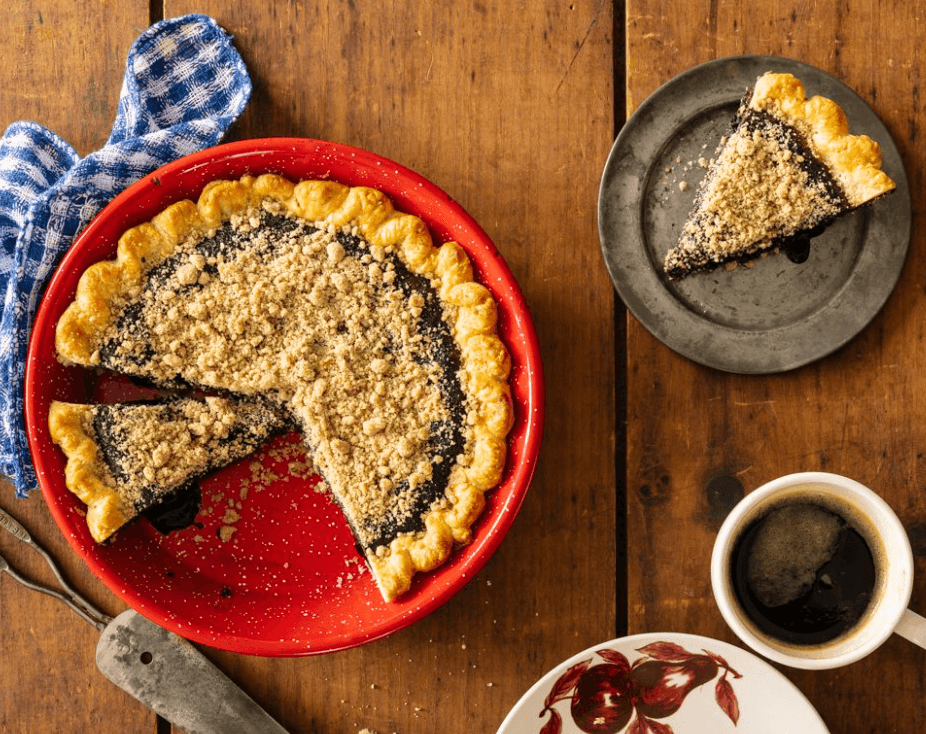
This Pennsylvania Dutch dessert is a brilliant example of something made from almost nothing. Take German immigrant and colonial English influences, mix with frugal American ingenuity, add flour, molasses, sugar and spices. The result is a regional-signature pie, and a reminder that determination and the spirit of sharing a slice are the most important ingredients in the larder.
BAKERY OF NOTE:
Dutch Haven
Ronks, PA
Beef on Weck
New York
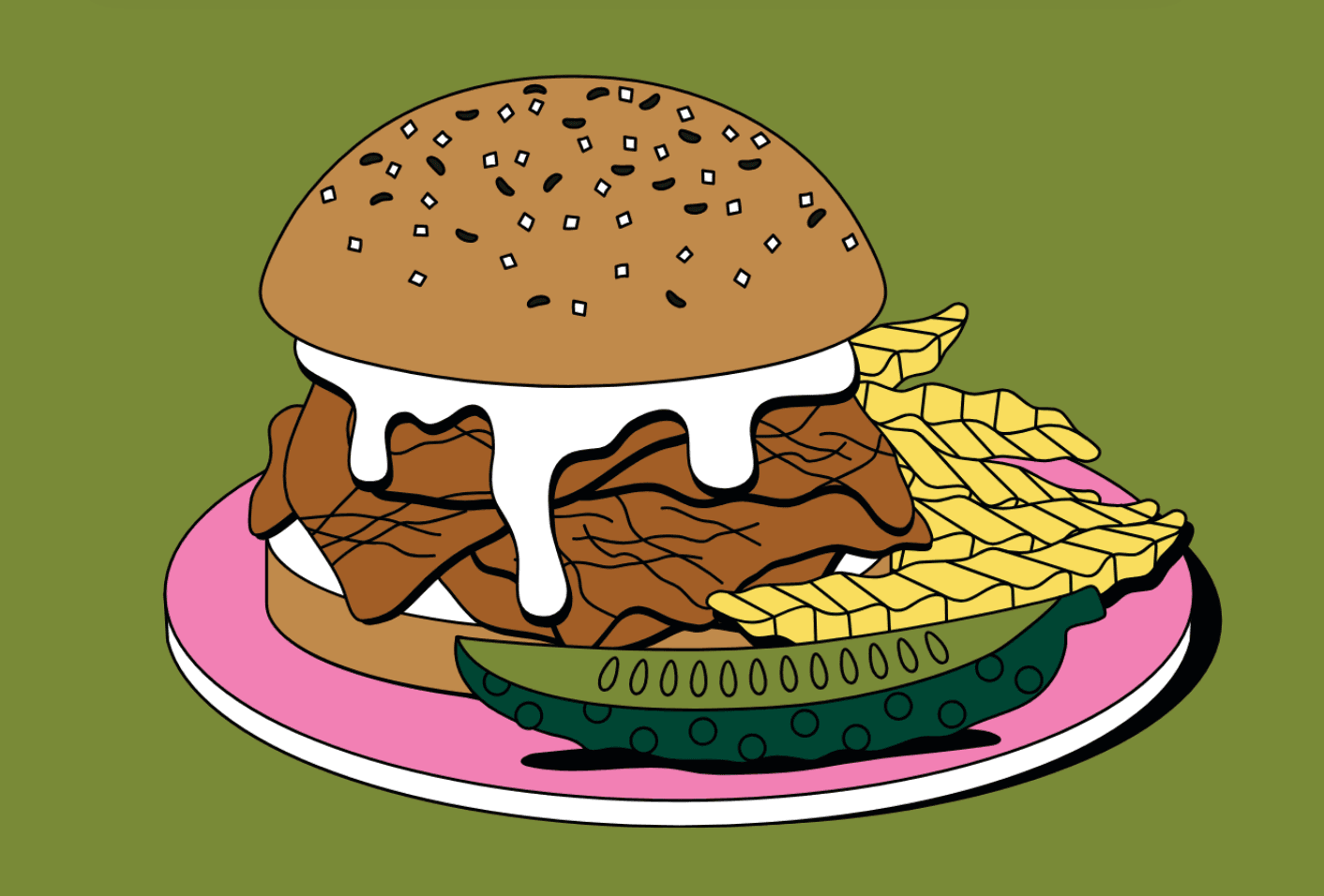
Traveling to Buffalo for wings makes a worthy pilgrimage—just be sure to have a “beef on weck” too. The sandwich piles thin-sliced, rare roast beef with au jus on kummelweck, a salted roll flecked with caraway seeds, and a smear of horseradish for heat. Folks often credit German baker William Wahr for bringing the bread, or at the least the recipe for the roll, to Buffalo in the mid-1800s. A mysterious tavern worker, who might have been connected to Schwabl’s (established 1898 by German immigrant Sebastian Schwabl) added the beef, and one of America’s great sandwiches was born.
RESTAURANT OF NOTE:
Schwabl’s
West Seneca, NY
Pakistani Chopped Cheese
New York
Here’s a legendary sandwich in the making that shows how American cuisine continues to evolve. Zeeshan Bakhrani opened the restaurant Nishaan in 2025. His popular sandwich combines a classic NYC bodega chopped cheese sandwich with chapli kebab spiced with whole coriander seeds and masala and served on a toasted hero with peppers, onions, melted cheeses and lime cilantro sauce and tamarind chutney.
RESTAURANT OF NOTE:
Nishaan
New York, NY
Yat Gaw Mein
Maryland
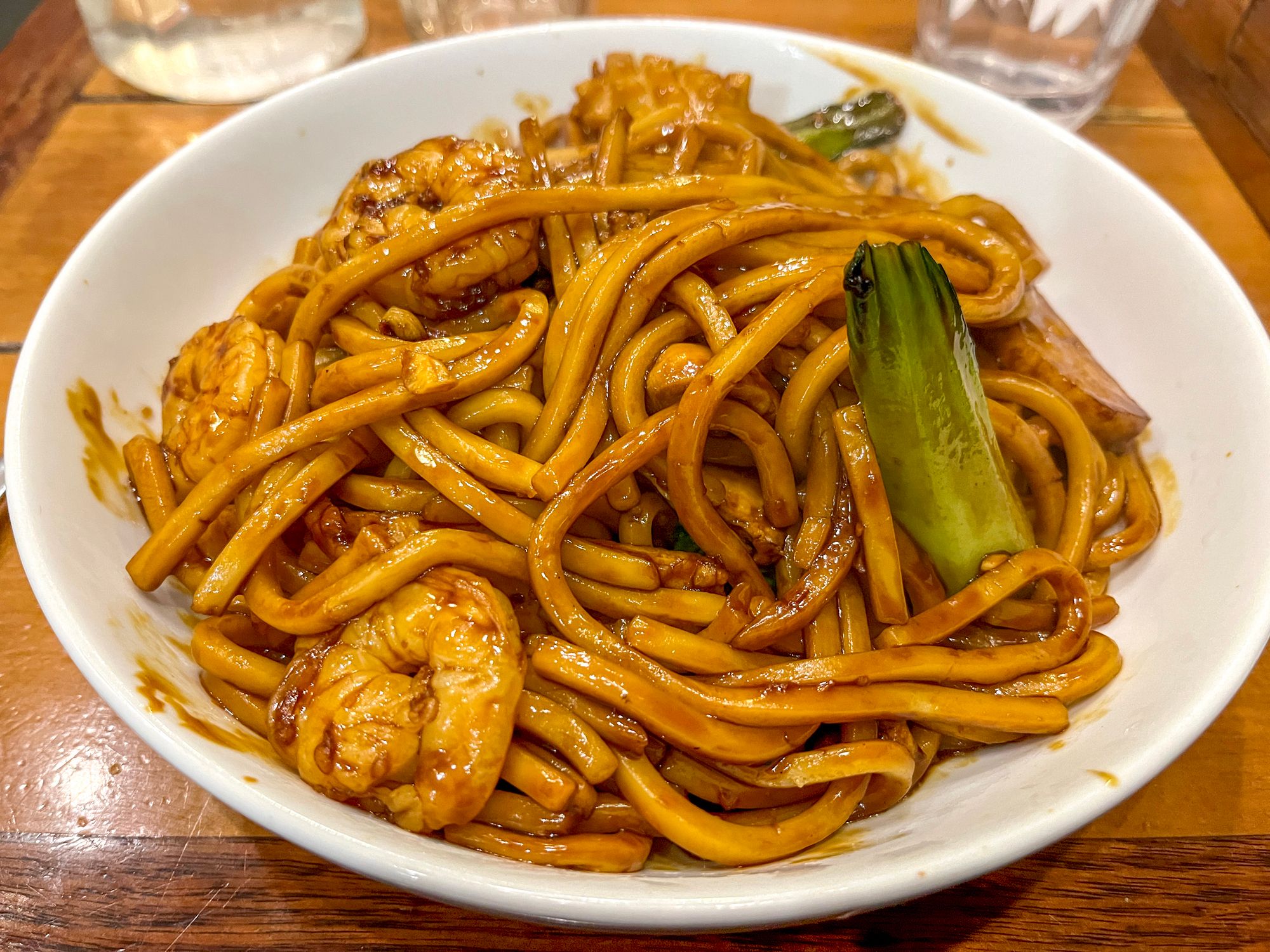
This dish might have migrated up from New Orleans by way of Chinese workers also influenced by African and Creole cooking styles. But what makes “yat gaw mein” different from its “yaka mein” New Orleans cousin is a thicker udon noodle, a stir-fry texture as opposed to a broth, and deep brown gravy with seafood from the Maryland coast, such as blue crab. Baltimore locals gave the dish a nickname of “dirty yak.”
RESTAURANT OF NOTE:
Jimmy’s Carryout
Baltimore, MD