


An ode to the great Italian American invention.
Editor's Note: This story is part of a larger series on American Flavors, which highlights the uniquely American dishes that emerged as cultures converged. The series is inspired in part by the country's 250 semiquincentennial and our quest for regional foods that help tell a deeper story of a place and its people.
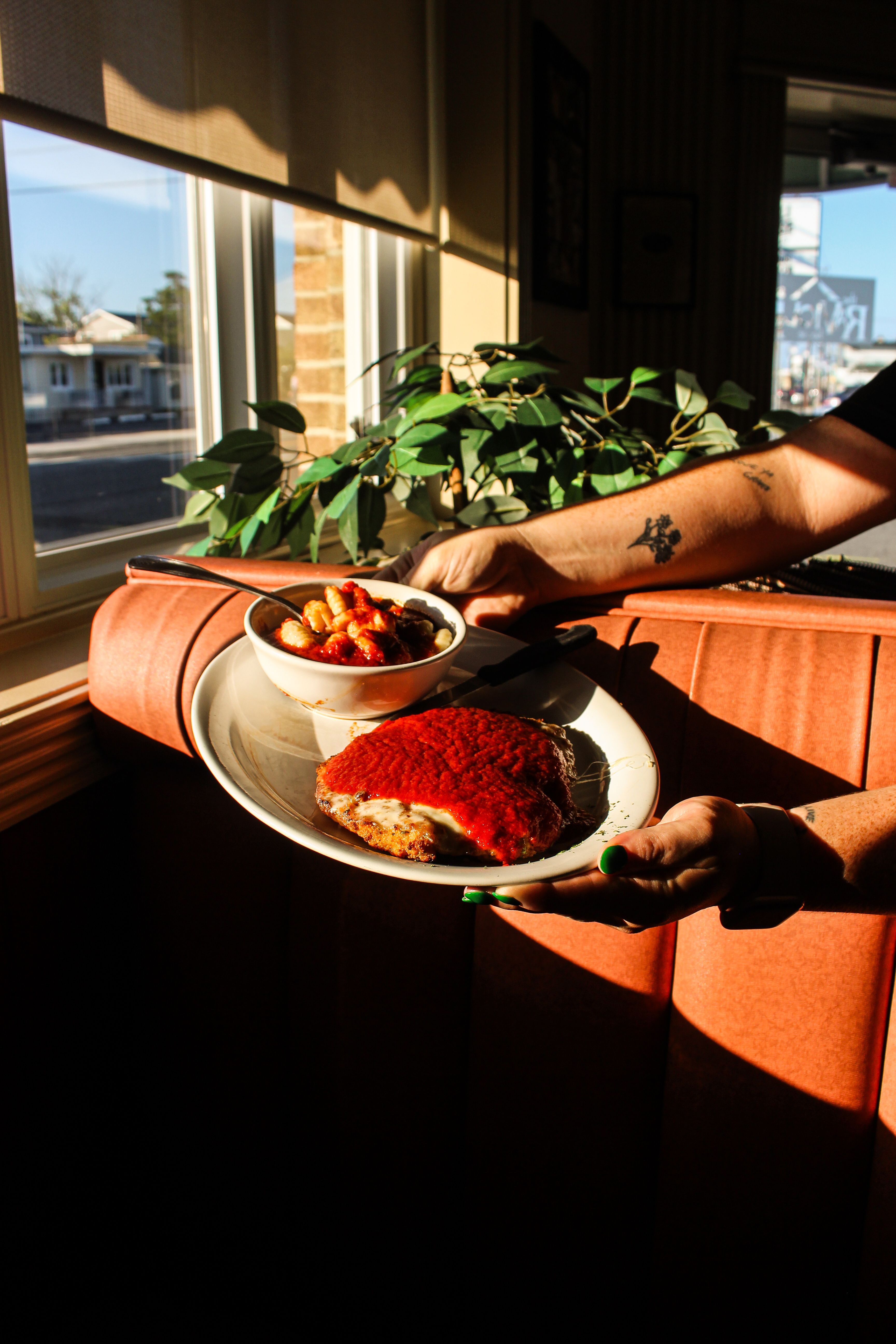
Chicken Parm
New York + New Jersey
About eight years into the timeline of my eating habits, there is a pivotal moment. Everything that came before it is BCP: Before Chicken Parm. Everything after is ACP: After Chicken Parm.
The year was probably 1990 when I crossed my gustatory Rubicon. The place was Palumbo’s, a circa-1884 immigrant boarding house-turned-restaurant and nightclub where Sinatra, Tony Bennett and Louis Armstrong performed. My mom, a preschool teacher by day and event decorator on the weekends, often had jobs in the upstairs banquet rooms. Being the children of a small-business owner meant being conscripted into service, and my brother and I would help my parents carry Plexiglass centerpieces and boxes of baby’s breath up the steps for Danielle Marie’s Bridal Shower or Anthony Michael’s First Holy Communion or the Fiftieth Anniversary of Bunny and Sal, then hide out in the darkened bar, drowning our ennui in soda-gun Cokes and gobs of Maraschino cherries. After my parents decorated the room, we’d go downstairs to the restaurant for dinner.
I’m sure there were some moms in my neighborhood who made chicken parm at home. Mine was not one of them. She was (is) a good cook and cooked dinner most nights for our family, but she wasn’t (isn’t) the type to deviate from a go-to rotation she could bang out with muscle memory and minimal histrionics from the picky peanut gallery (my dad and me): chicken and rice, meatloaf, red gravy with various pastas, roasted sausage and potatoes with Lipton Onion Soup Mix, pork chops. It’s weird because our favorite thing she made was chicken cutlets, yet she never took them into parm territory by smothering them in marinara and mozzarella. As a kid, I had no knowledge of chicken parm’s existence, despite its status as a keystone species in the Italian American canon.
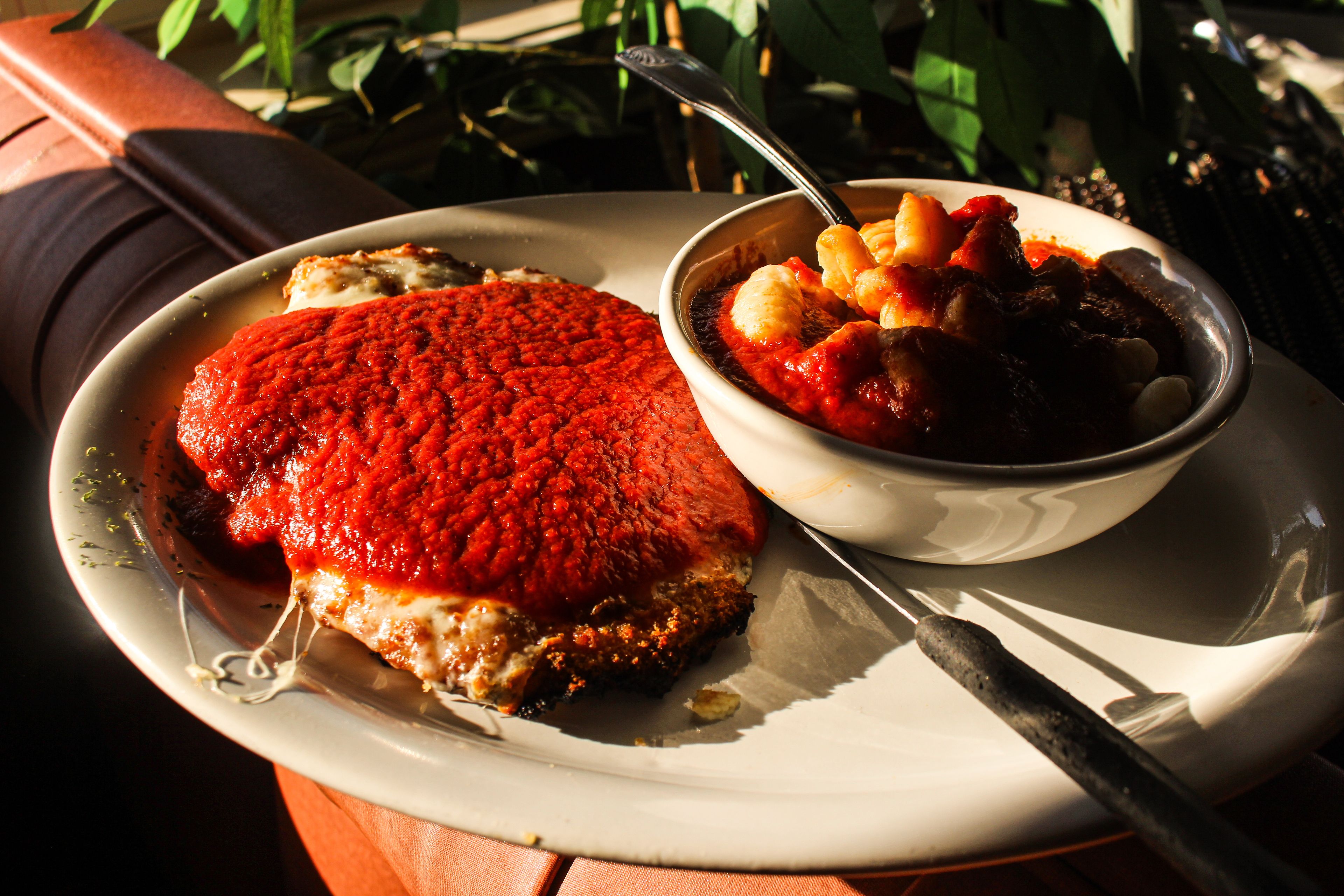
Though its place of origin is contested by the various Italian-American ports of the early 1900s, what’s settled wisdom is that chicken parm, which you will not find in Italy (at least at any restaurant you should eat at) grew out of melanzane alla parmigiana (eggplant parm), which you absolutely will find in Italy. Immigrants like my great-grandparents came to America, where meat was plentiful and eggplant was not, and like all other immigrants before and after them, began adapting. Veal likely subbed in first, then cheaper chicken, and a star was born. Decades later, in 1990 at Palumbo’s, my dad was having the chicken parm. I accepted a taste of this warm, crispy, gooey, exotic sacrament, and a food writer was born.
Chicken parm made up most of my food personality in the ACP times. I remained a picky kid through my tweens and early teens, leery of restaurant menus laden with vegetables and things touching on the same plate, but chicken parm was usually available and usually delicious. I devoured CP from Wolf Street Pizza, our corner pizzeria, and CP from Carmine’s in Times Square, where we’d roll up to after a Broadway matinee during Christmas break. I found it comforting yet sophisticated, both the port in the storm and the five-star hotel on the beach.
As I started working in restaurants, and eventually became a critic of them, my tastes naturally evolved, but my affection for/codependency on chicken parm has never abated. I’d be out four, five nights a week eating Sumatran beef rendang, paella Valenciana, Senegalese fried fish, and would re-ground myself with chicken parm from Marra’s (RIP) or Ralph’s in South Philly. During the pandemic, when I was making recipe videos on Instagram, I developed a chicken finger parm with patented anti-soggy-cutlet technology. When I served as a judge for the James Beard Awards, our anonymous Zoom calls required the use of a food alias. Spoiler alert: Chicken Parm was me.
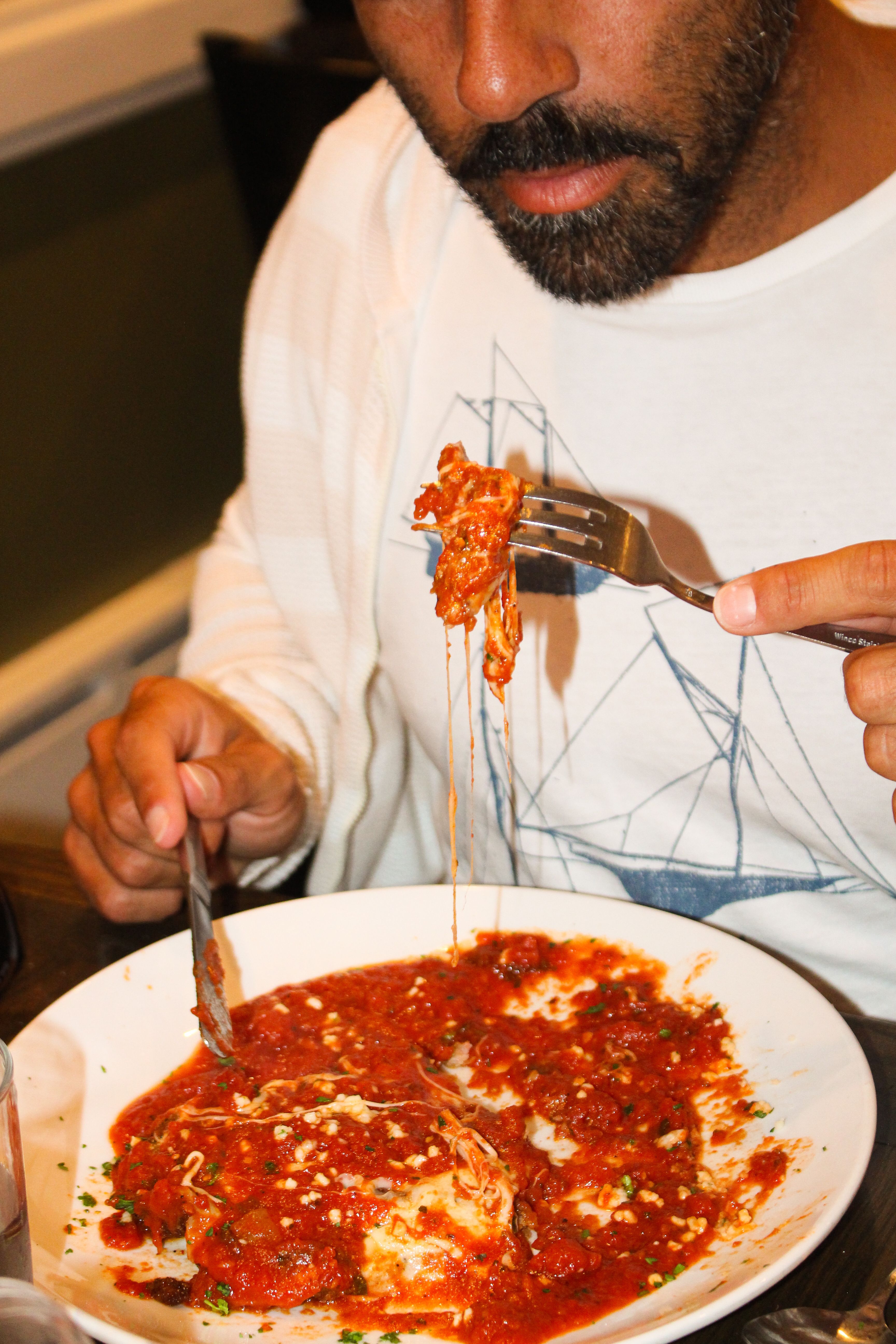
These days, I spend half the year down the shore in New Jersey, a parm paradise. The Garden State Parkway, which runs the length of the coast, has a quality CP stop at every exit.
Exit 102: Judy & Harry’s, the new-school Jewish Italian restaurant and lounge in Asbury Park.
Exit 38: Angelo’s Fairmount Tavern, a wonderful puzzle of nostalgia-shellacked rowhomes in Atlantic City dating to 1935, and its even-older neighbor, Tony’s Baltimore Grill (est. 1927), where the CP platter costs only $17.95 and the immaculate vibes are free.
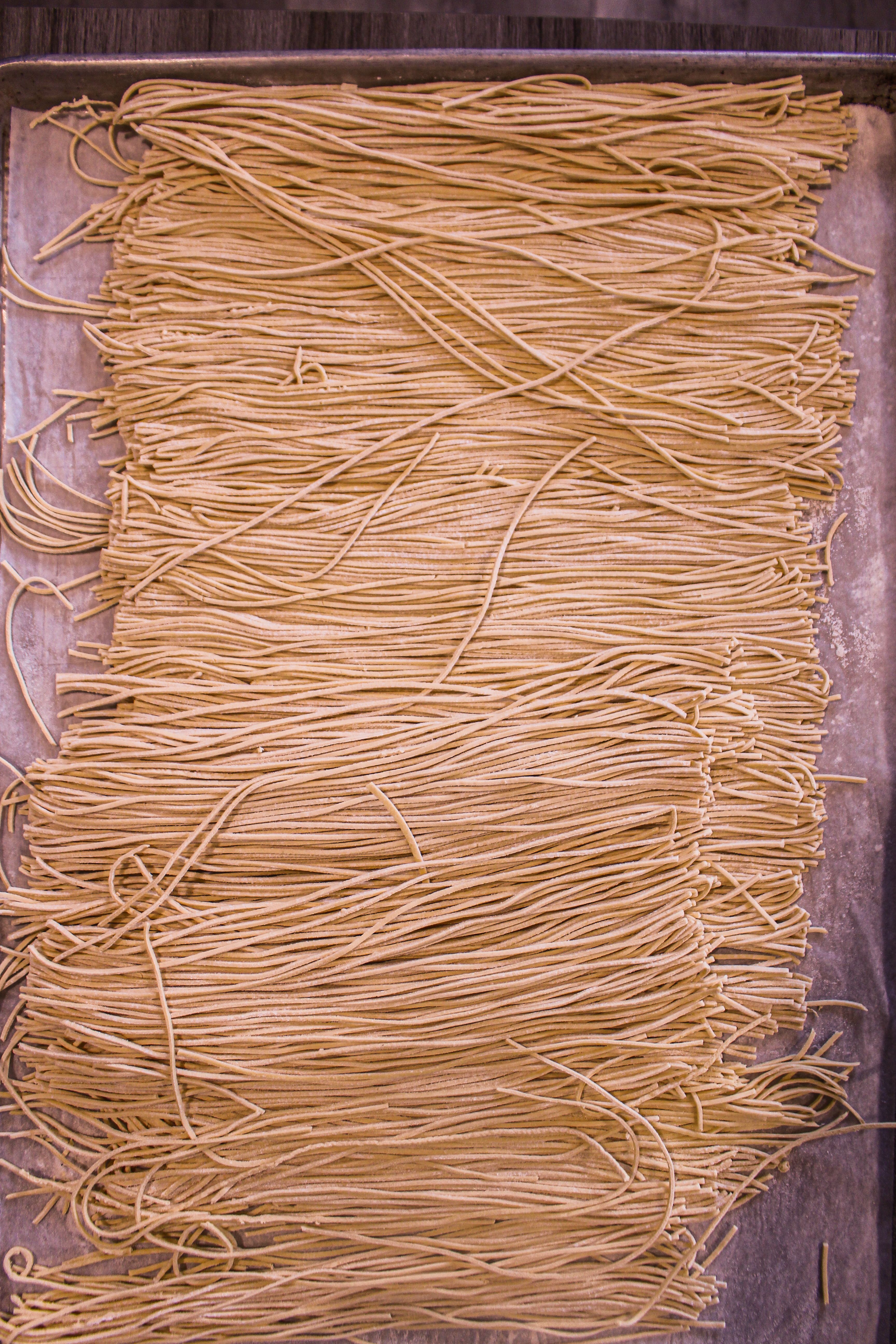
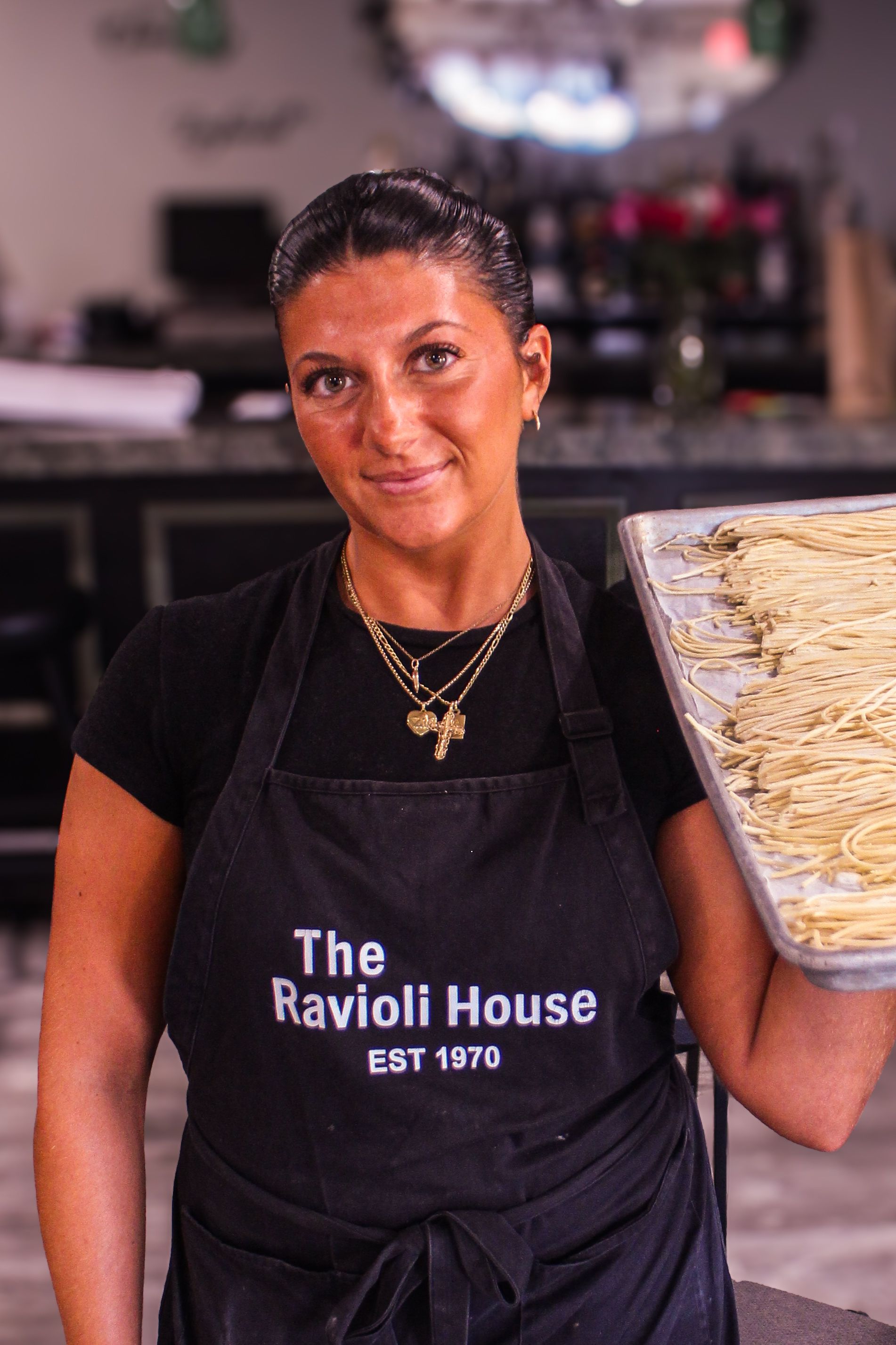
Exit 4: Ravioli House, a few blocks from my house, in Wildwood. Around since 1970, the place is all mauve vinyl booths, Capri-hued murals and replica Roman statues, and their terrific CP comes with impressive house-made pasta they retail in the back from a little bakery/espresso bar.
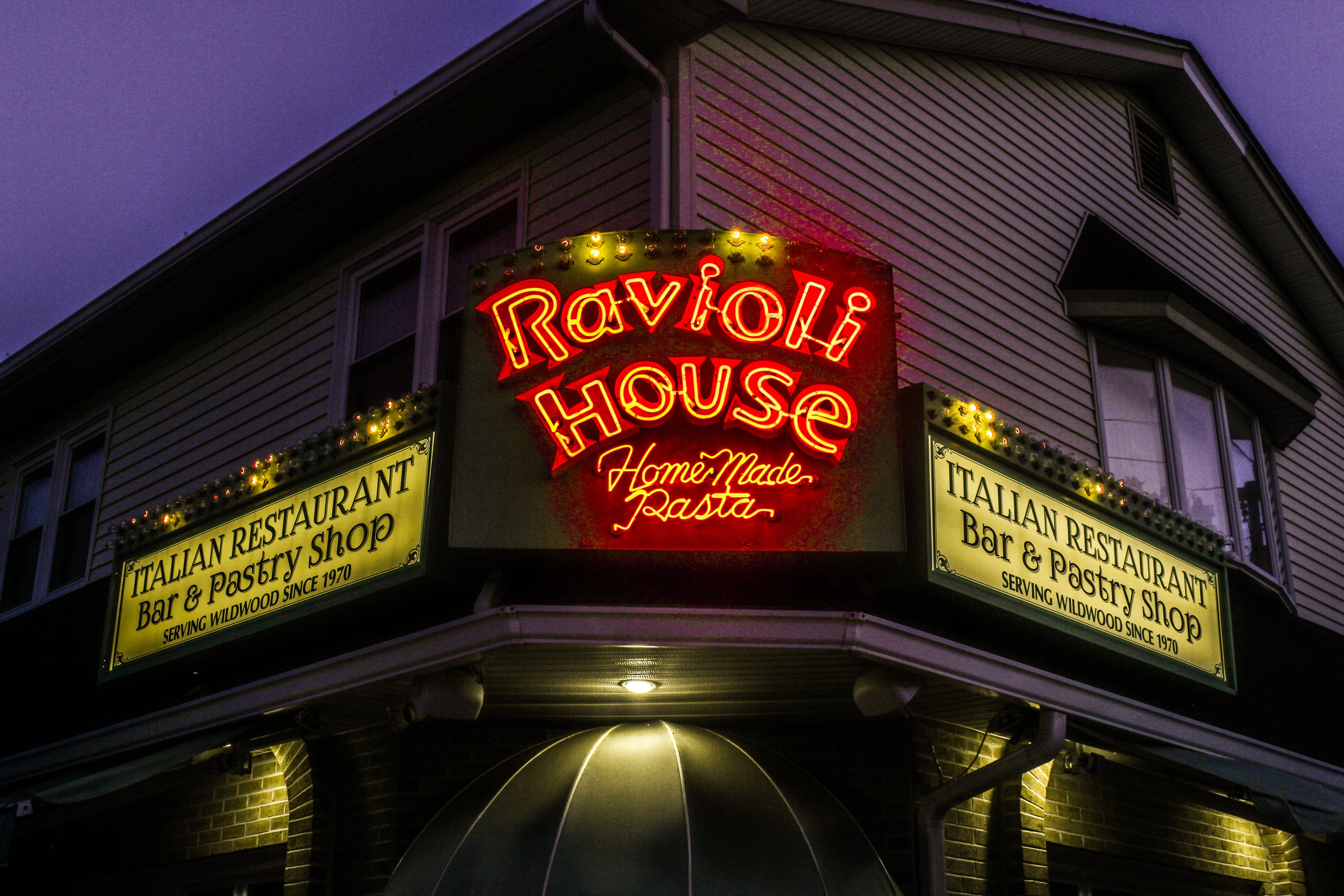
I always ask for the Ravioli House CP crispy. Honestly, I ask for nearly every CP crispy. The weight of the marinara can sog out a cutlet like nobody’s business, ruining the textural contrast that makes parm such a joy. The weight of nostalgia is the same way. Unexamined, a comforting blanket molders into a burial shroud. We need to re-check in with our memories, food and otherwise, retelling those stories from time to time. Only then can they be the extra-crispy foundation, capable of supporting a lifetime of sauce and cheese.

About the author
Adam Erace is an award-winning writer and photographer who contributes to Travel + Leisure, Fortune and many other publications. He is the author of six cocktail and cookbooks, including his latest, In Session: Low-Proof Cocktails for High-Quality Occasions. He lives in Philadelphia with his wife, Charlotte.
Adam Erace is an award-winning writer and photographer who contributes to Travel + Leisure, Fortune and many other publications. He is the author of six cocktail and cookbooks, including his latest, In Session: Low-Proof Cocktails for High-Quality Occasions. He lives in Philadelphia with his wife, Charlotte.