


How the stuffed shells of quahogs hold stories of Portuguese-American cooking traditions, family and fishing.
Editor's Note: This story is part of a larger series on American Flavors, which highlights the uniquely American dishes that emerged as cultures converged. The series is inspired in part by the country's 250 semiquincentennial and our quest for regional foods that help tell a deeper story of a place and its people.
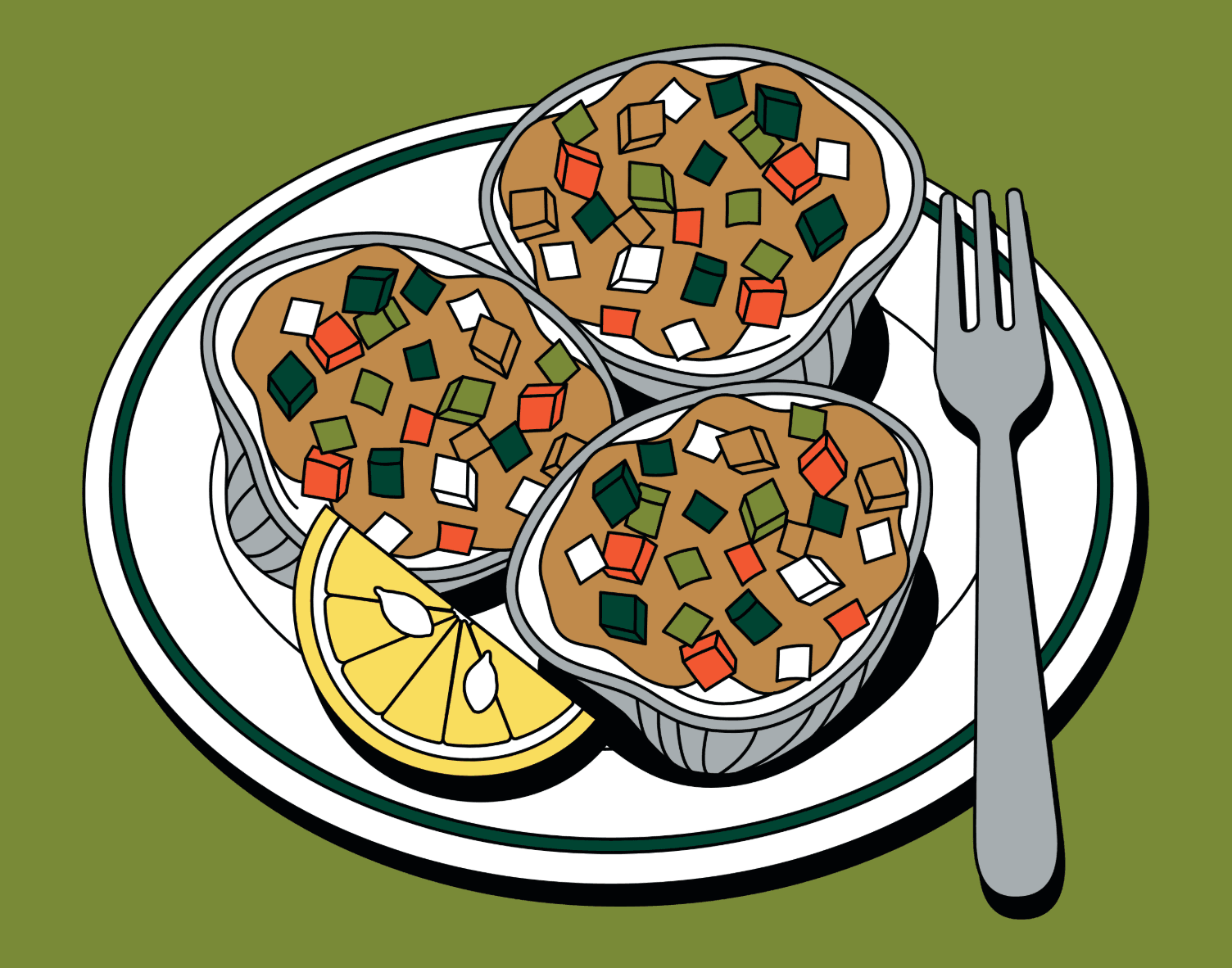
Stuffed Quahog
Massachusetts + Rhode Island
Portuguese-American food writer David Leite has multiple James Beard awards, a groundbreaking online recipe site and bylines in every major food publication. He’s covered a lot of meals. And yet, he still remembers the stuffed quahogs from his high school graduation party in 1978. His mother made a big batch because stuffed quahogs make the table at special occasions. They also tell a story of the sea and immigration as they line the pastry cases at coastal restaurants and bakeries in Massachusetts and Rhode Island, where many Portuguese immigrants settled to pursue fishing and whaling.
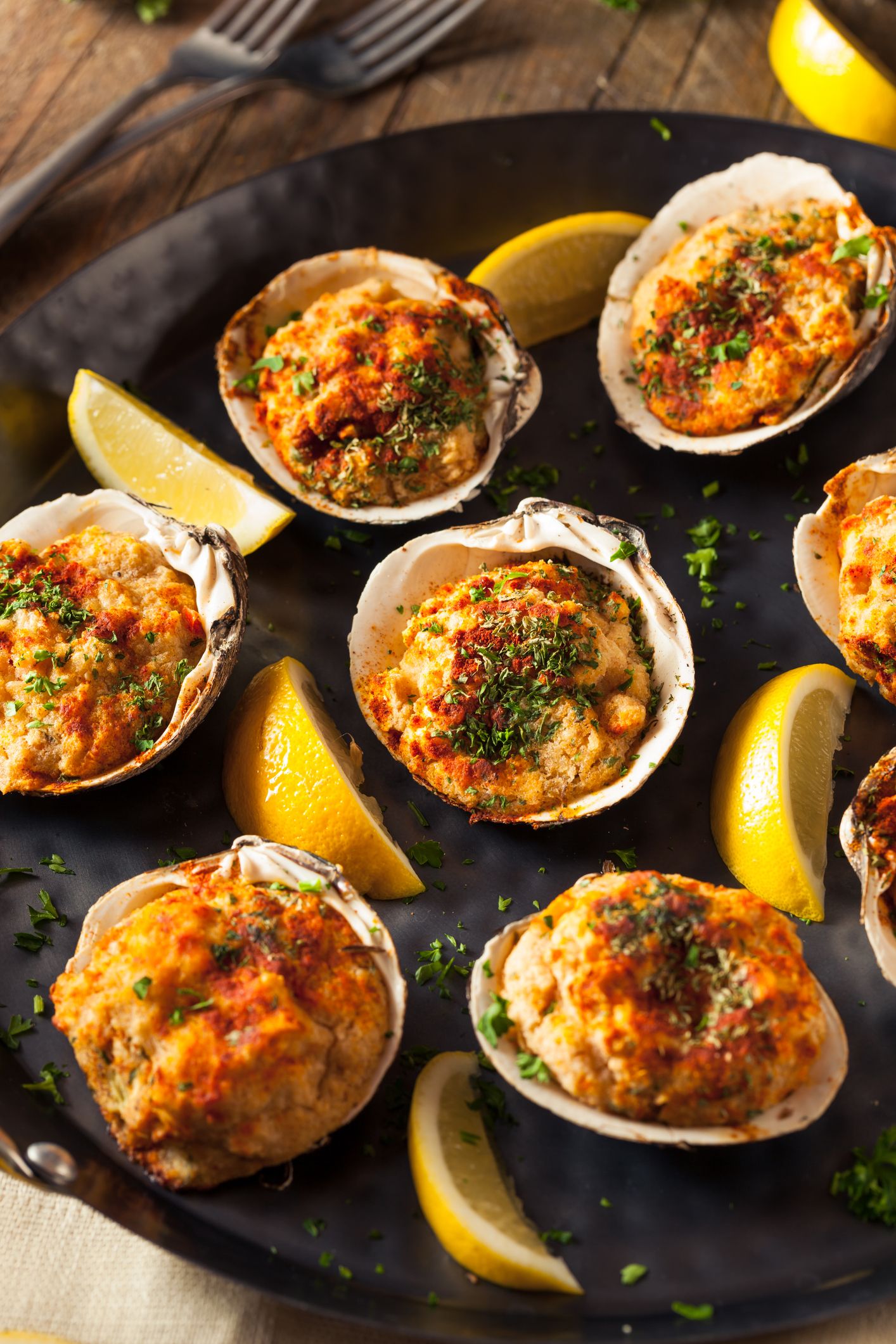
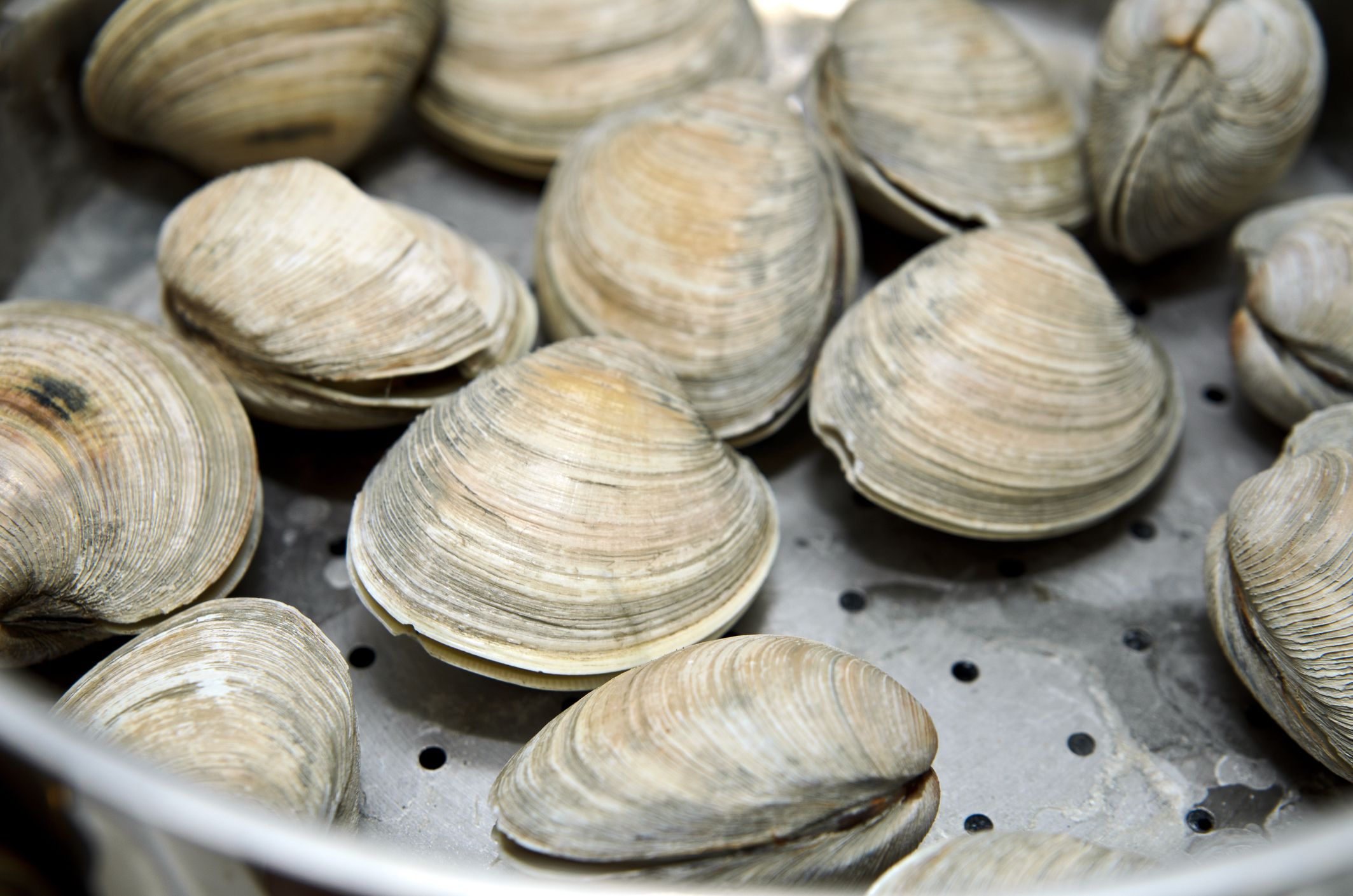
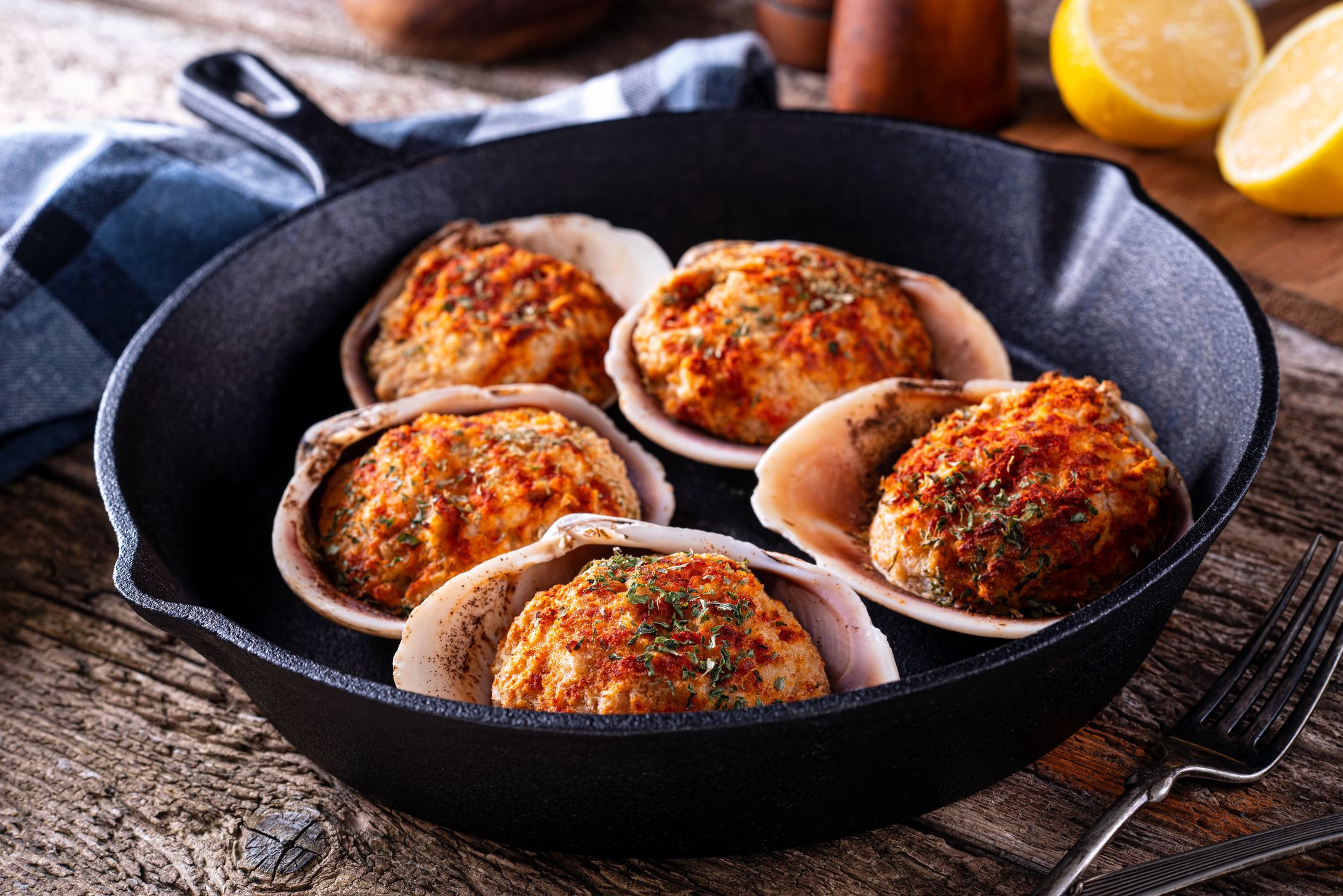
For Leite’s mother’s version, she’d steam the large clams, remove the meat and give it a chop. Then she combined the clams and their liquor with chouriço (Portuguese pork sausage), Portuguese bread crumbs, paprika, onion, garlic, parsley and seasoning, including a pepper paste Leite’s father would make called massa de pimentão. The result: large open shells heaped with a Portuguese-style stuffing, spiced to a deep red-orange hue and cooked until crisp on the outside, tender and moist inside.
The dish with such rich flavor, though, has roots in a prudent way of living where nothing is wasted and ingredients like preserved pork and gifts from the sea are stewarded to their best use. “The idea with Portugal is it’s a very frugal food situation,” Leite says. “They were poor and ate everything.”
Leite tells of a bread soup, Açorda à Alentejana, from Portugal’s mainland, which included hardly more than bread, water, chopped herbs and maybe egg. Another dish, Portuguese migas, involved stale bread with herbs and scraps of meat shaped into a loaf.
“I think all that came over and was in the consciousness of the cooks,” he says. “It’s very much a bread culture. They do not waste anything. They saw the Americans with their own stuffed clams, which was very much of Italian influence. They saw clams and pork and thought, ‘oh we know that,’ and this dish was invented.”
Leite, whose family comes from the Azores, specifically, began to learn his family’s recipes after a Portuguese baked bean fail. He’d asked his mother for the recipe, and when it did not turn out as planned (“an absolute disaster,” he said), he realized he needed to spend time with his mother in the kitchen, video camera in tow. “My mother did not have measuring cups; my mother did not have measuring spoons. My mother had one knife she cooked with her entire life, and that was it,” he says.
“My mother did not have measuring cups. My mother did not have measuring spoons. My mother had one knife she cooked with her entire life, and that was it.”
Meanwhile, Leite’s grandmother had died earlier in the decade, and he realized the family knowledge through food could be lost. “That’s what really set me on the food writing journey,” he says. “[My mother] started talking about the family and traditions—when she first had certain dishes and growing up. I had that on tape and thought, this is really wild.”
In 2009, Leite published a cookbook, The New Portuguese Table: Exciting Flavors from Europe's Western Coast. It documents many of his family recipes and stories. “It became a bit of a playbook for the first disconnected generation, which is mine,” he says; it's also passed down these days to the next generation of kids as they learn to cook.
Leite also still remembers the small, hardbound spiral book that his mother kept. “It’s from the 1960s, and it's embossed with gold on a green fabric cover. In it are grey sheets that say A, B, all the way to Z on tabs—an old address book. That’s what she wrote her recipes on. I say that my cookbook is my version of my mom’s telephone directory.”
MARKET OF NOTE:
DeMello’s Produce Market
New Bedford, MA
David Leite would say that no one does stuffed quahogs like his mother. Portuguese cooking is home cooking. “When you’re Portuguese growing up, you never went to a restaurant because it was an insult to your mother or your grandmother,” he says. “Why would you go outside the house to have Portuguese food when you can have better Portuguese food here?”
But short of crashing family dinner, several Portuguese restaurants, such as Sarges in Fall River, do carry on the traditions. Find stuffed quahogs at this fish market, which the DeMello brothers opened in 1978.