

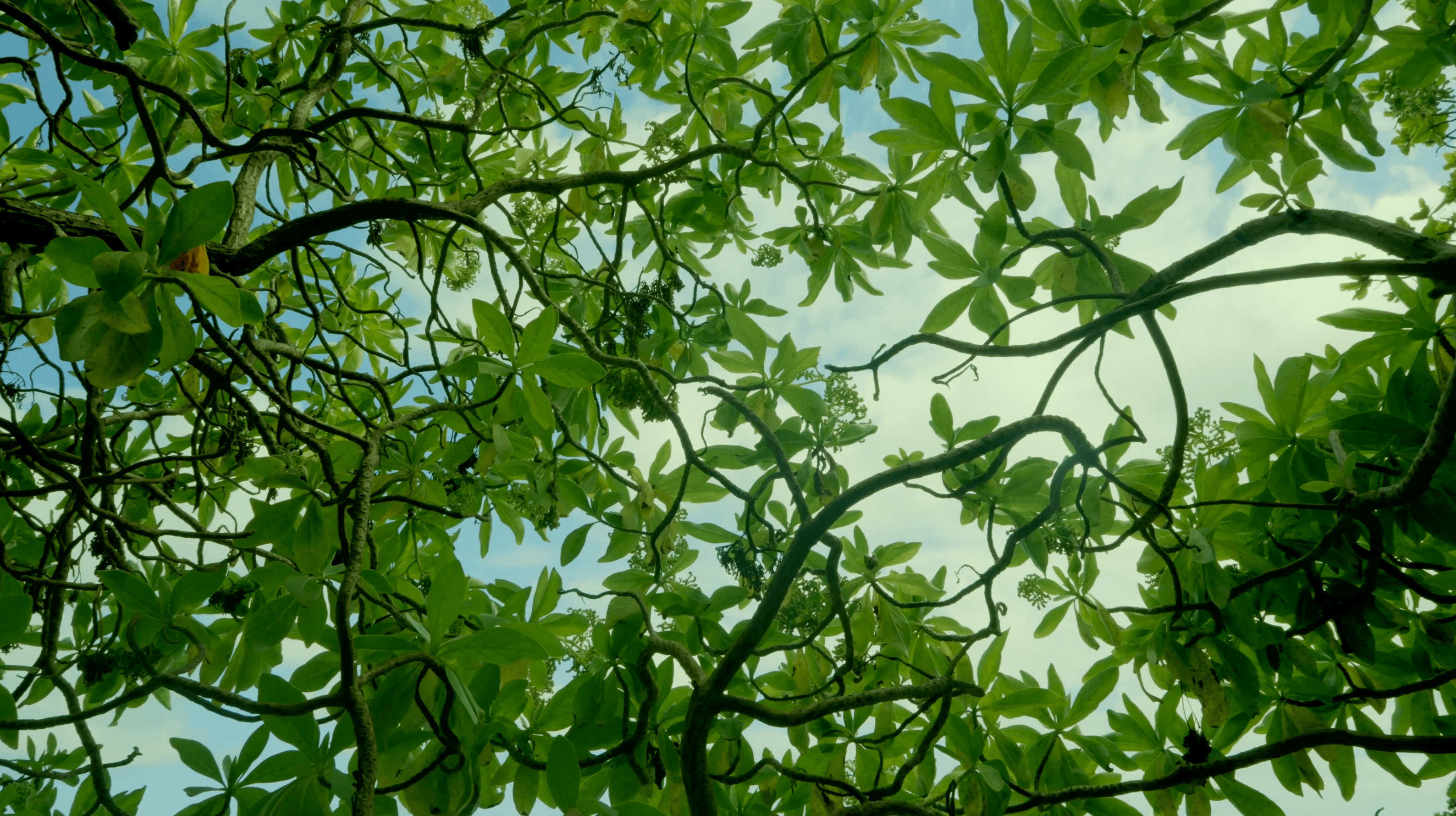
Road tripping around Maui reveals legendary drives, blissful hikes, deep culture, and a wise, slow-paced style of travel.
During seasons when the days are shorter, the mind tends to wander to balmier climes. Hawaii has long been the tropical escape for mainlanders; the beaches and scenic countryside of Maui, its second-largest island, have become famed for taking travelers out of the tourist bustle.
But dig a bit deeper, and Maui's history, landscape and present-day culture reward a thoughtful approach, tuned into local people and their communities. For our trip around the island, our guide is Brendan George Ko, a photographer who syncs his travel to local traditions and nuances. With his pictures and story, Brendan ventures to both iconic destinations and a seldom-seen Maui, helping us find our way there, in more ways than one.
Brendan George Ko writes:
I often wonder what Maui looked like when ancient voyagers first arrived about 2,000 years ago. Their wa'a (canoes) rested on the shores after weeks at sea; native birdsong filled the air. What did it feel like to discover a land untouched, timeless and filled with fauna and flora found nowhere else in the world? With a hand on the porous surface of an ancient stone wall, I imagine the kupuna (ancestors) being here today.
Maui is the only place my migrant family has ever thought of as home. My parents immigrated from their respective countries to Canada, then moved the family to the U.S., where we moved three times before settling on Maui. For the past decade, I have worked closely with the Native Hawaiian community, which has deepened my understanding of home; I have learned to see what "home" means to someone ancestrally connected to this island.
When I first came here two decades ago, I was still a child, awestuck and in love with the immense beauty of this place. And eventually that awe settled into a humble silence as I felt the spirits around me. They have guided me through the process of becoming an adult, finding responsibility and community here on Maui, from my time volunteering with traditional voyaging organizations to restoring Native farmland.
With all this in mind, I set out to travel around the island for a few days, launching from my family home for daytrips that would put me in closer touch with all that makes this place special. This journey travels around Maui's two volcanoes: Haleakalā and Kahālāwai (or 'E'eka/West Maui Mountain). The path is largely an ancient one, established by Kahekili, a chief of Maui, before Europeans arrived here.
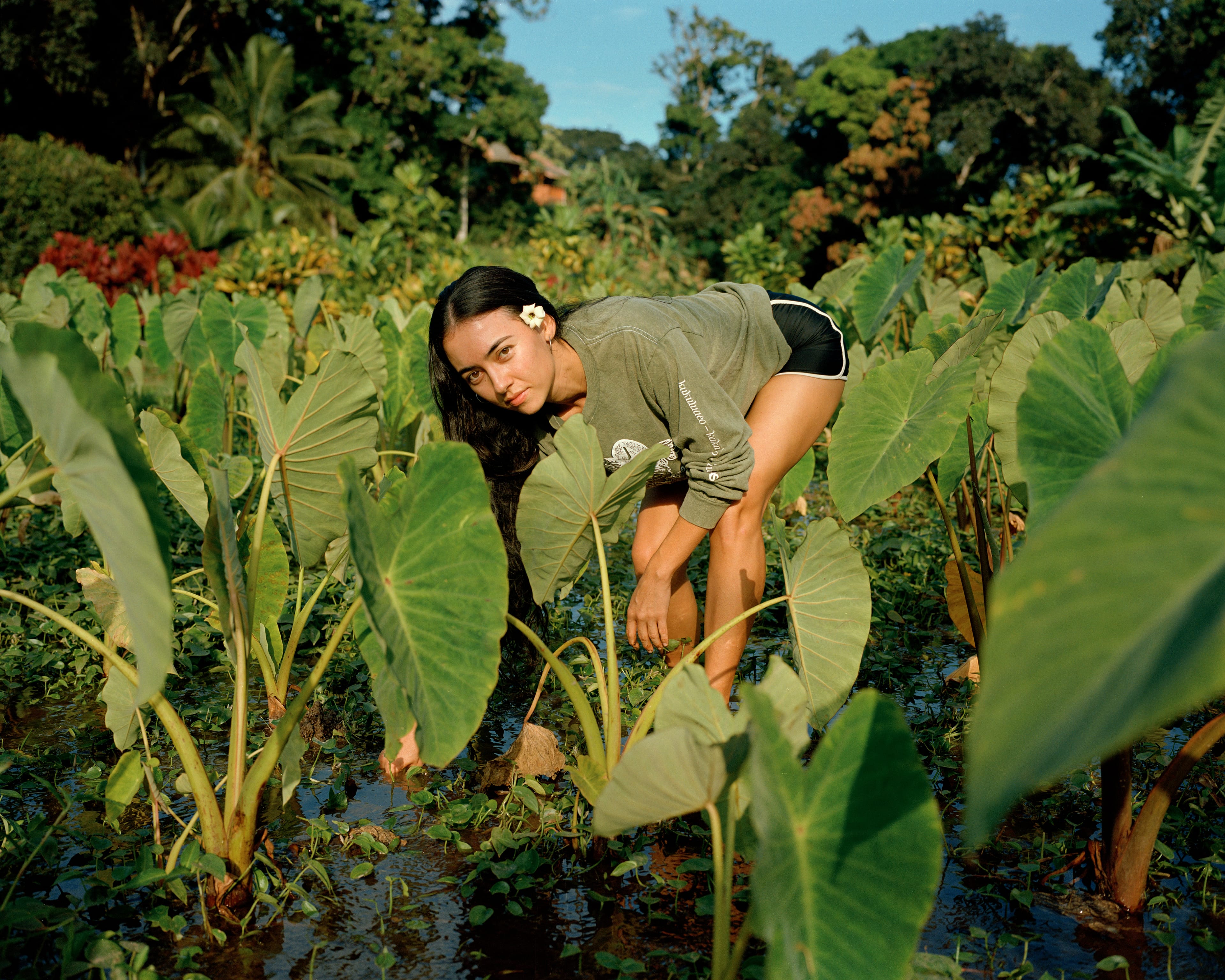
I start my road tripping in my hometown of Wailuku, in West Maui, near ʻĪao Valley, going north on Kahekili Highway through the historic area known as Nā Eha Wai ("four rivers": Waikapu, Wailuku, Waiehu, Waihe'e). I stop at my friend's place, in the backcountry of Waihe'e. There she grows taro traditionally, in flooded terraces that borrow some of the Waihe'e river's flow, flooding the fields, in a process that returns nutrients to the river. This system is part of traditional farming practice, based on the concept "Mauka to Makai" (from the mountain to the sea), which reflects a deep understanding of how the environmental health of inland areas affects the ocean.
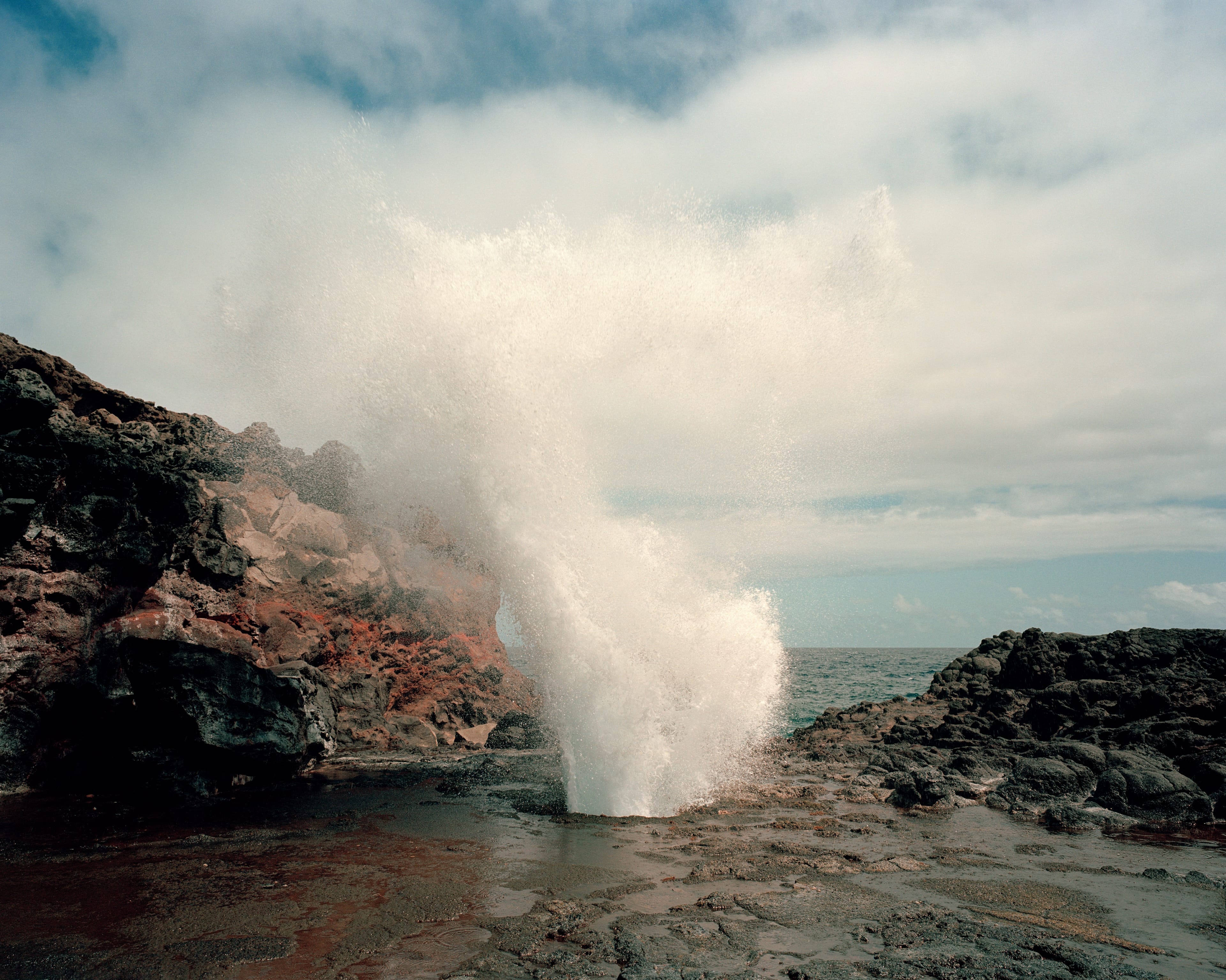
After the farm, I quickly run up Waihe'e Ridge Trail to get a nice view of Central Maui and the Waihe'e valley, passing through cook pine, java plum and the endemic 'ohia. Next stop is Kahakuloa, a gem of West Maui and a piece of Old Hawai'i for those who live in a relatively quiet part of a rather busy island. Further along the road up the West Maui coast is Nākālele, famous for its blowhole. Due to the ocean spray, stones here resemble Swiss cheese and express the range of colors of lava: iron red, grey and black.
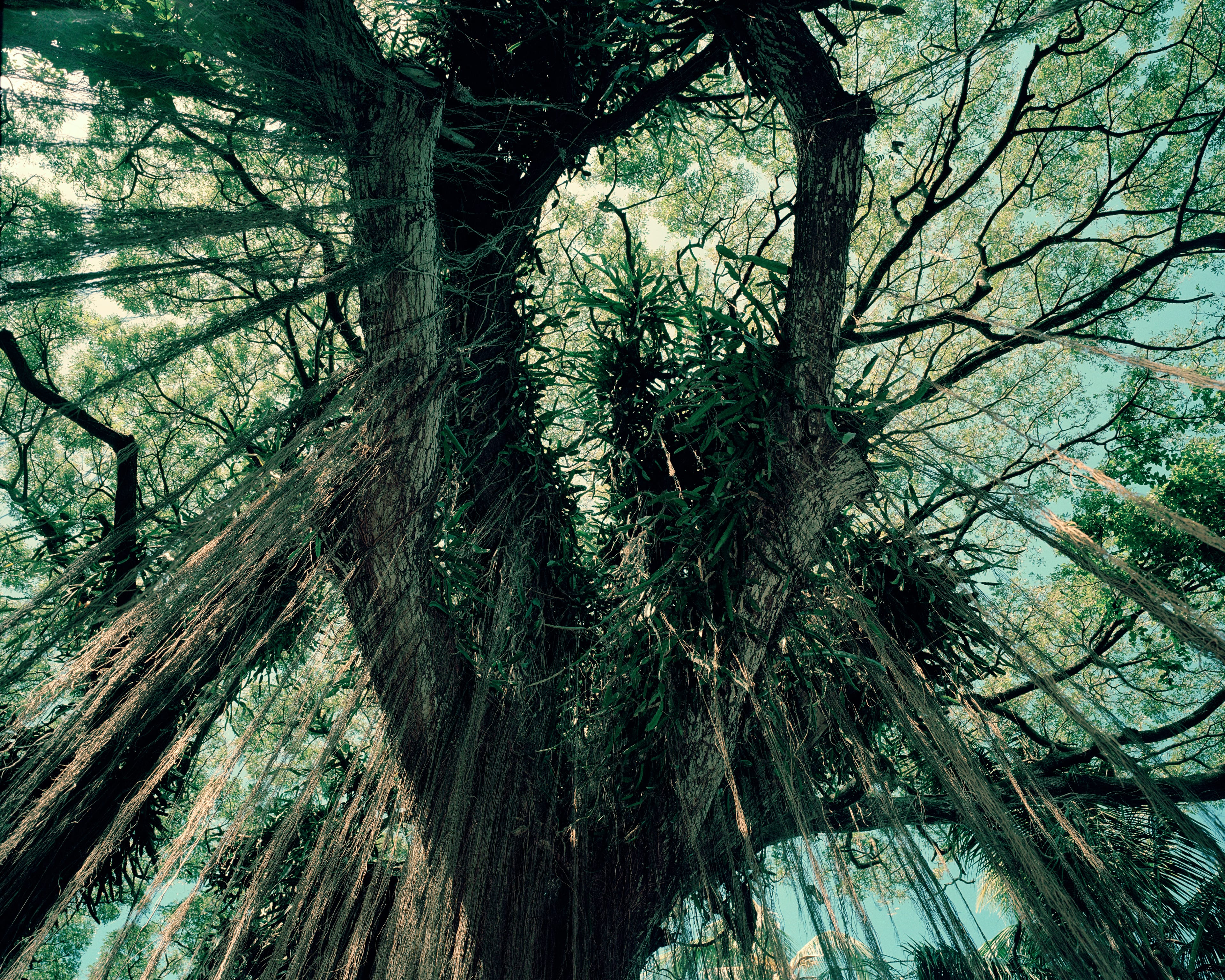
From here, the road starts to head south as it loops around the island's western edge. My next stop is Honolua Bay, renowned for its reefs. I love experiencing its brief but lush forest, with its large trees covered in epiphytes. Passing through the resort town of Ka'ana'pali, I briefly skim North Lāhainā before going on the bypass along Honoapi'ilani Highway, passing beachy spots like Launiupoko, Olowalu and Pāpalaua. I make a quick pitstop in Ma'alaea Harbor to say hi to Mo'okiha o Pi'ilani, a 62-foot voyaging canoe built to sail and navigate in traditional Polynesian fashion; I've spent some of my best times on the island on and around that ship.
Then, back to Wailuku for dinner with my folks.
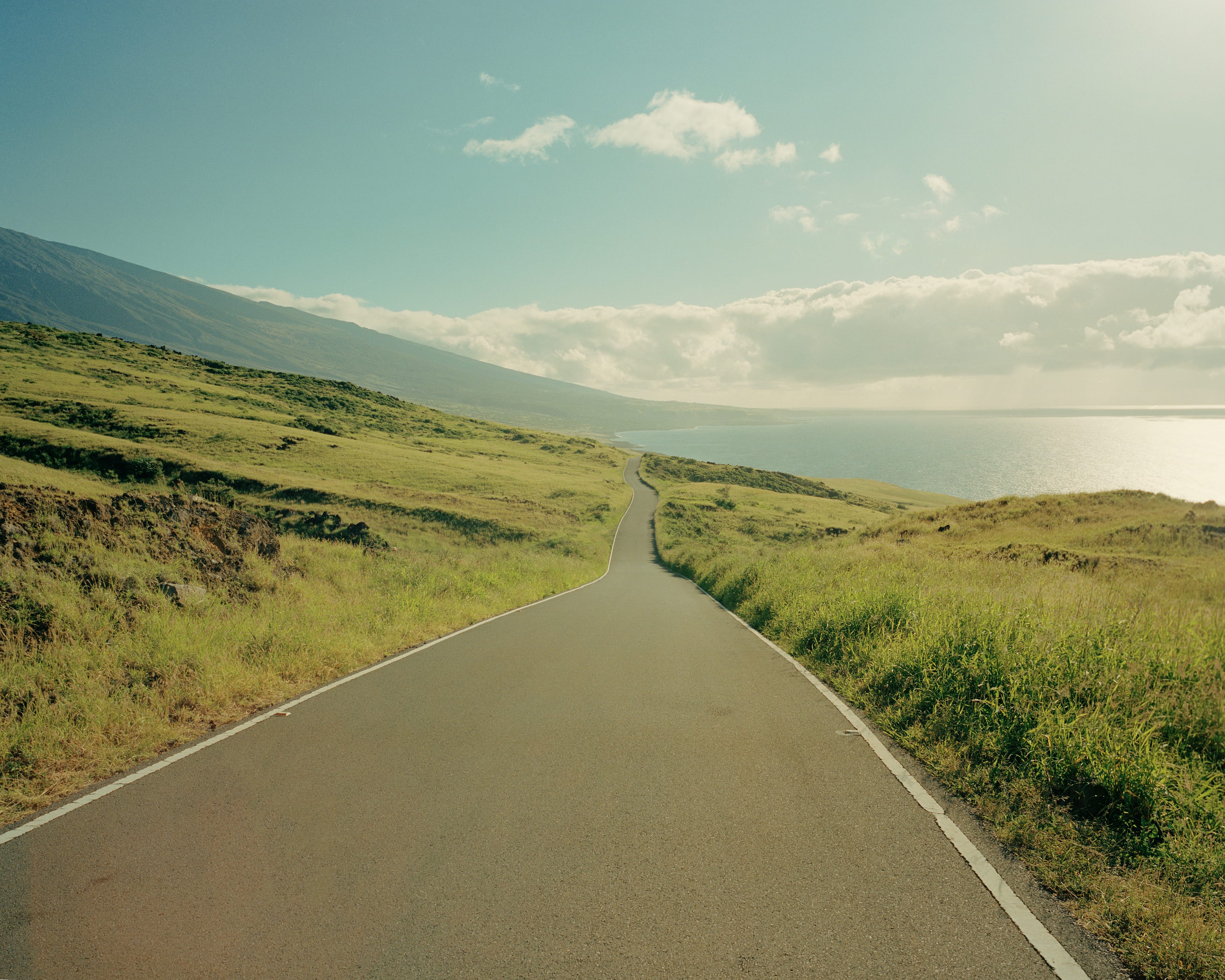
The next day, I mission out to Haleakalā, via Hāna Highway, then Haleakalā Highway.
The drive up is obscured by low-elevation cloud cover that makes silhouettes of the patchy eucalyptus forests, before opening up to the alpine flora of shrubs and the big, blue, open sky all around. Haleakalā ("House of the Sun"), the great volcano, is one of the most sacred places on Maui. It is strange to think of how easy and accessible it is today as a national park, when it was once reserved for specific intentions, with specific protocol required.
Entering the crater, travelers are likely to come across a very strange and beautiful succulent called 'ahinahina (silver sword), a silver-leafed yucca that only grows here and Mauna Kea. Its name is dedicated to one of the deities worshipped in the crater, Hina, the moon goddess ("hina" is also the name for silver, or the color of the moon.
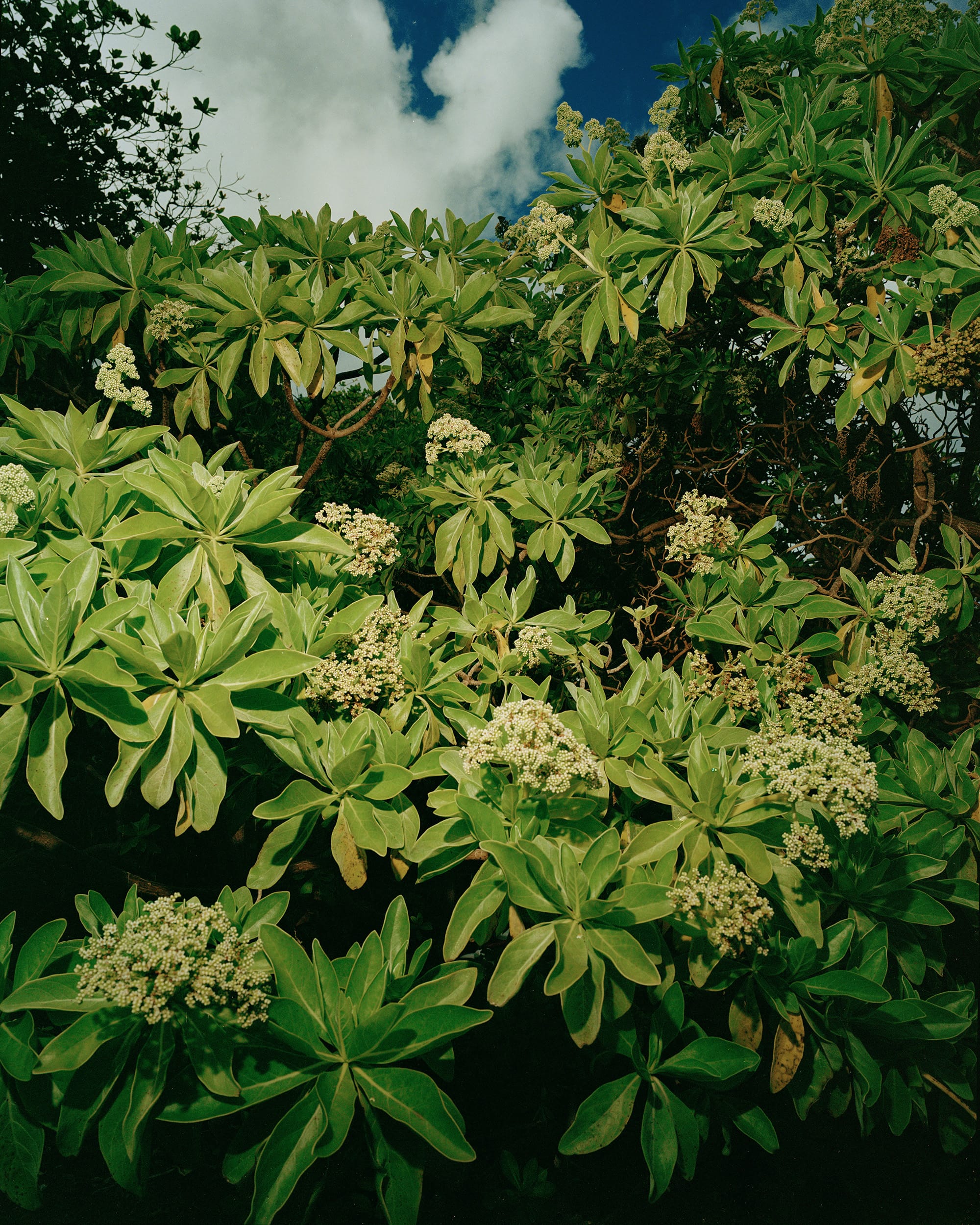
One of my favorite hikes is Halemau'u, a.k.a. Switchbacks; there are never many people on the trail. The beginning of the trail commands views of the Ko'olau Forest Preserve: With more than 31,000 acres, home to many endangered and endemic species. The trail is rocky but never very steep. (My first time on this hike, my close friend forgot to bring her hiking boots and just did it in slippers. Then again, a lot of locals do everything in slippers. They are colloquially called the Hawaiian construction boot.) I reach the bottom of the crater and decide to turn back to get to my car. (The trail continues to the other side of the crater, but then hikers have to hitchhike back to the Halemau'u Trailhead). Be sure to disinfect your hiking boots for this hike.
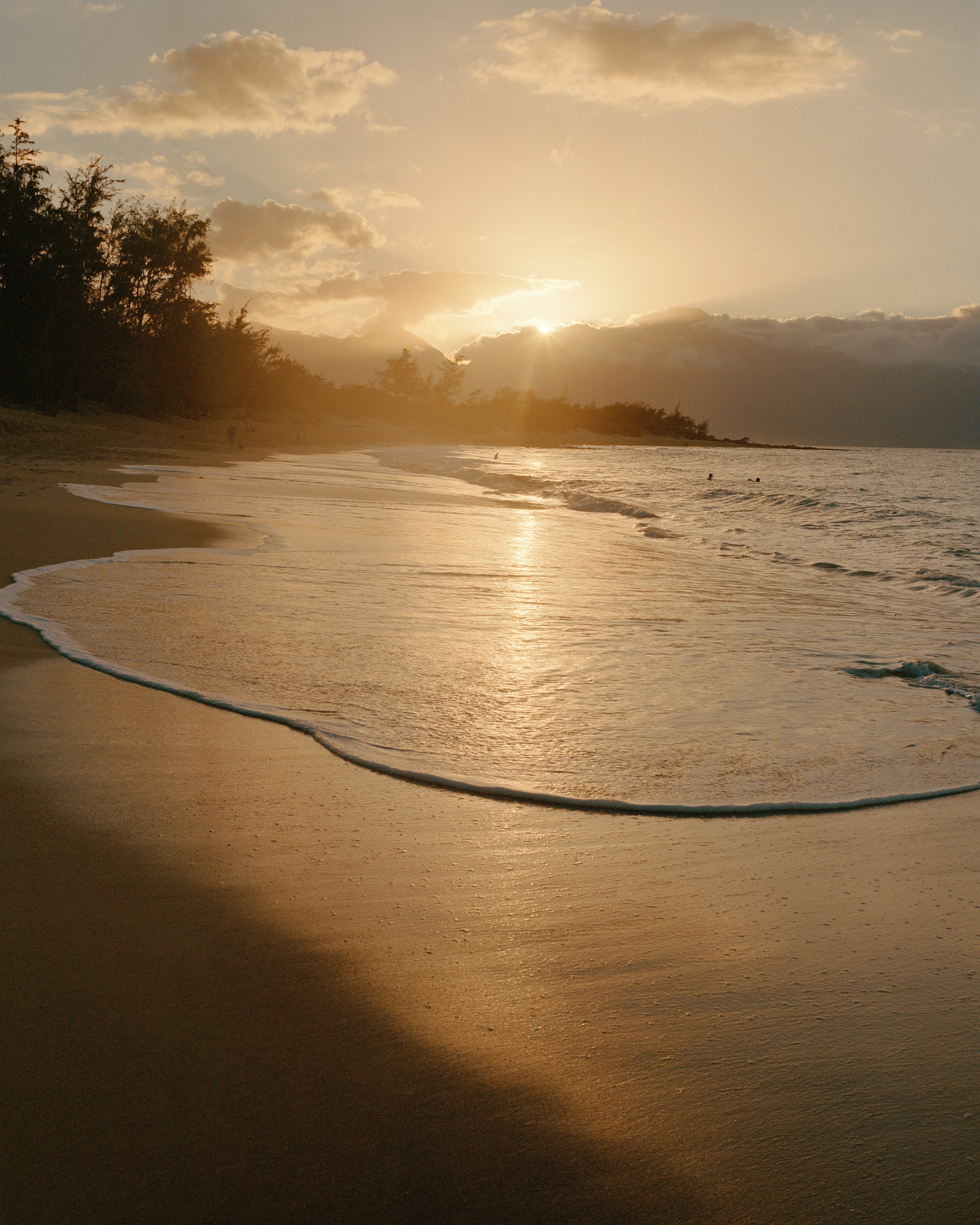
I bomb westward down the mountain, sometimes waiting for tourists to pull over, and meet my folks at Kanahā, a local beach that most tourists avoid, as to get there, you pass through the island's industrial facilities. It's where my family likes to have BBQs during magic hour. My father fishes as the kitesurfers play in the Ko'olau winds, with Tao Valley and Wailuku in the background, beams of light radiating out of the valley as the sun sets. I treat my folks out for Umi, just next to their house in Wailuku.
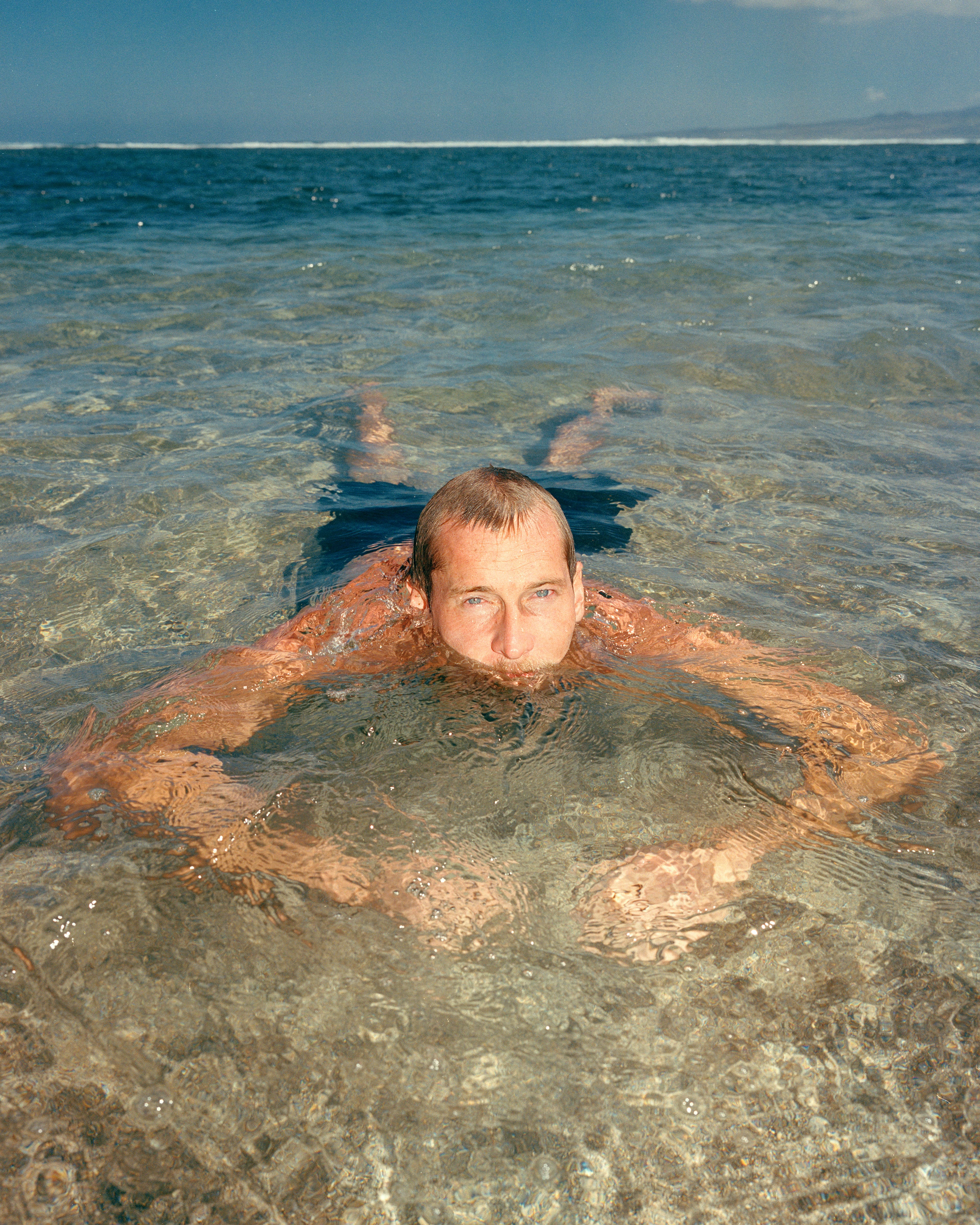
I wake up early to mission out to Hāna side. the famed eastern edge of the island. I book my campsite in Kipahulu ahead of time, pack my cooler with ice, drinks, and food. I drive the Hāna Highway, passing through Pā'ia, an old hippie town, through Haiku, stopping in Ke'anae to visit Aunty Sandy's Banana Bread (since 1983) and to say hi to a friend. Then I continue on, curving and braking and curving and braking and hoping tourists understand to pull over to let locals pass. I make it to Hāna in record time, bummed that Kahanu Garden, a lush botanical preserve, is closed today. (I visit Kahana's Pi'ilani Heiau [temple] every time I am out on this side of the island; dating back hundreds of years, this massive sacred structure, one of the oldest religious centers on the island, is one of my favorite places on Maui.) I stop into Hāna Ranch for a margarita and burger, swim at Hāmoa, then make my way to Kipahulu, about 30 minutes out of town.
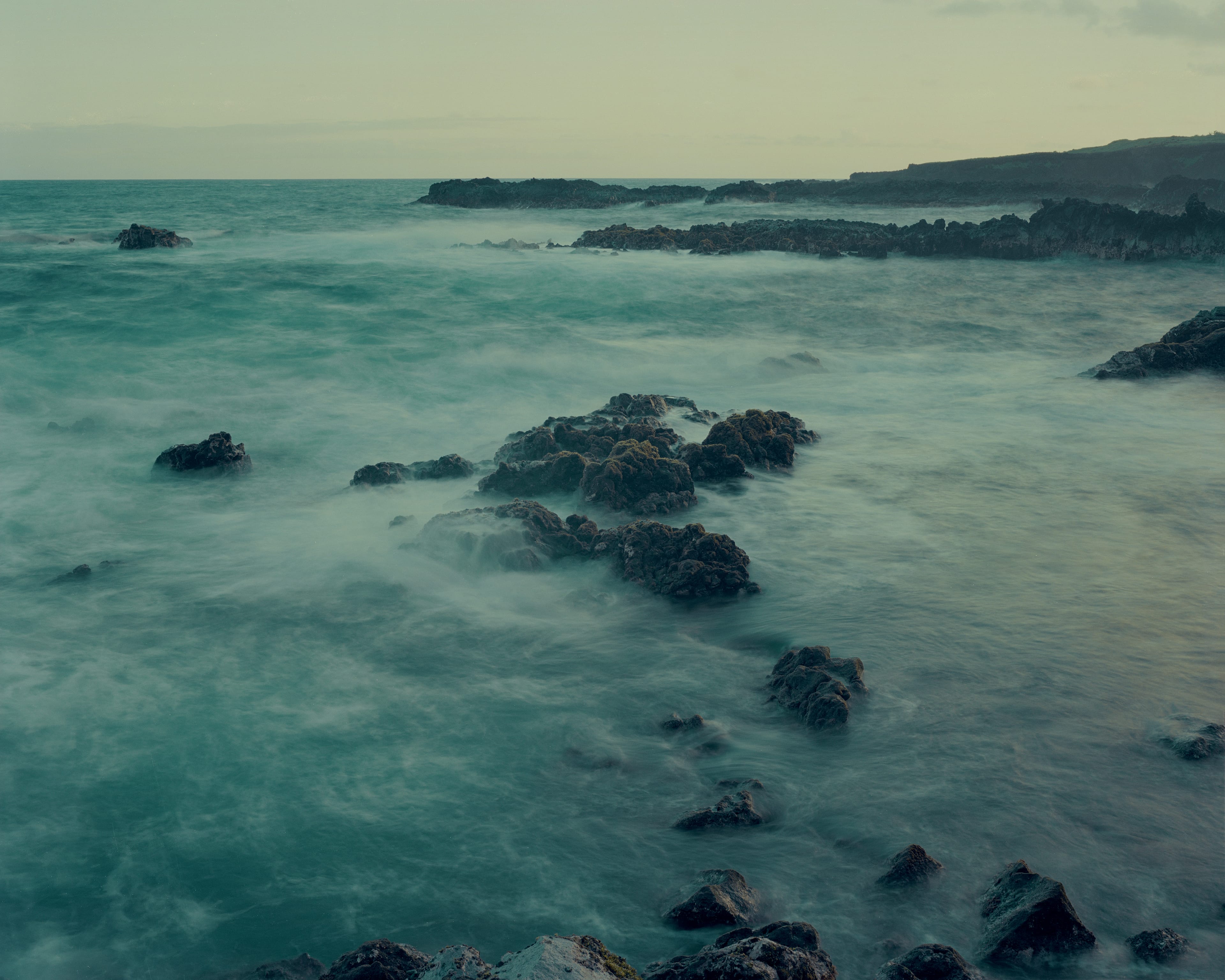
At the campsite, I walk down to the coast and watch the waves crash into the black lava cliffs. The stars come out in the millions at night as I cook my dinner on a camp stove.
Traveling in Hawaii
Showing kind deference to Native traditions and local lifeways will deepen visitors' experiences of Hawai'i. When exploring, stick to trails and lava rocks. (Never take lava rocks or disturb stacked stones. Note that traditional apparel is meaningful attire of cultural practitioners, not costume. On a practical level, illegal parking can cause traffic delays and frustration, especially on well-known routes like the Road to Hăna.
For a historical read on the islands' heritage, pick up Hawai'i's Story by Hawai'i's Queen by Queen Liliuokalani, a stirring firsthand account by the Kingdom's last monarch. For a modern literary take, check out the short stories of Kristiana Kahakauwila.
The next day, I drive the backside road, something not advisable for visitors as it is a very rough road, often closed due to erosion or landslides. I drive through Kaupo, the backside of Haleakalā, with its green pastoral fields, grazing cows and rough cliffs. I continue driving through Kula, then down the mountain, and decide to go for a swim at my favorite beach, Kapukaulua. I enjoy the fading light as my breath slows down. I have seen the sun set here countless times, but it never gets old. The sight brings me back to the many versions of Maui I have experienced over the years, from when I was just a visitor to who I am today-something like an honorary local, or just warmly welcomed.
Maui is a place of many landscapes. It seems to shapeshift as you move across it. With good intentions, this island will give you precious experiences. Maui nō ka 'oi: Maui is the best.
Like What You See?
Get the latest stories, plus details (and discounts!) on Wildsam field guides, sent right to your inbox.