

A Beginner's Guide to Towing a Travel Trailer
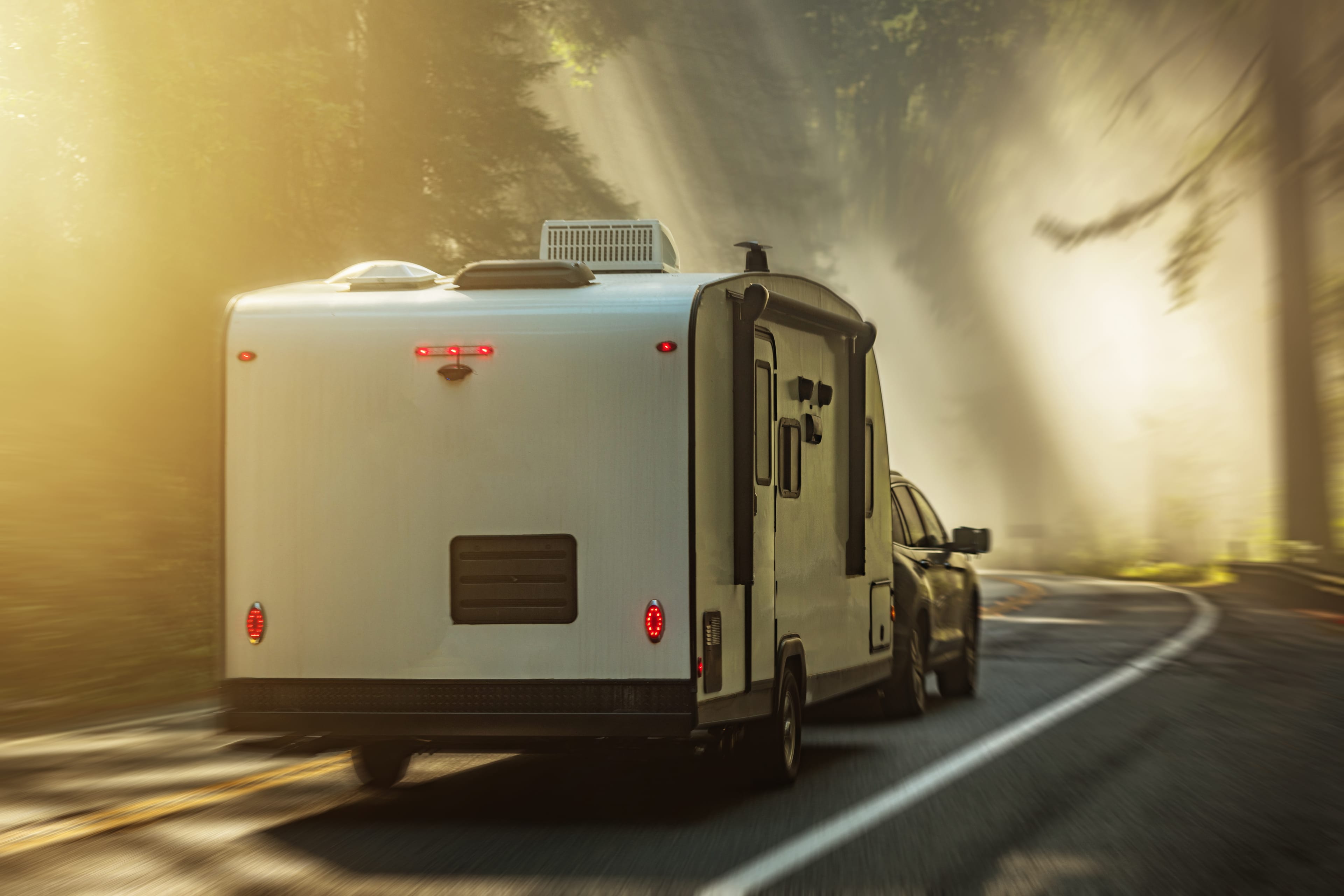
Getty Images
Setting off with a travel trailer for the first time? Follow these five tips to stay safe.
When I bought my first travel trailer 15 years ago, I was nervous to tow it home from the dealer. I was so nervous that I invited my buddy Will along for moral support. An unexpected thing happened on the way home, though: I started to feel comfortable and relaxed. We even pulled over into a small parking lot and grabbed a slice of pizza, sharing a few laughs at my expense before hitting the road again.
If you’re new to towing a travel trailer, it’s natural to be nervous. But with the right preparation and approach, heading to the campground can become part of the fun. By following these five tips, you’ll be well on your way to safely towing with confidence and ease.
Read More: Towing With a Motorhome? Learn about supplemental braking systems.
Safe towing starts at home
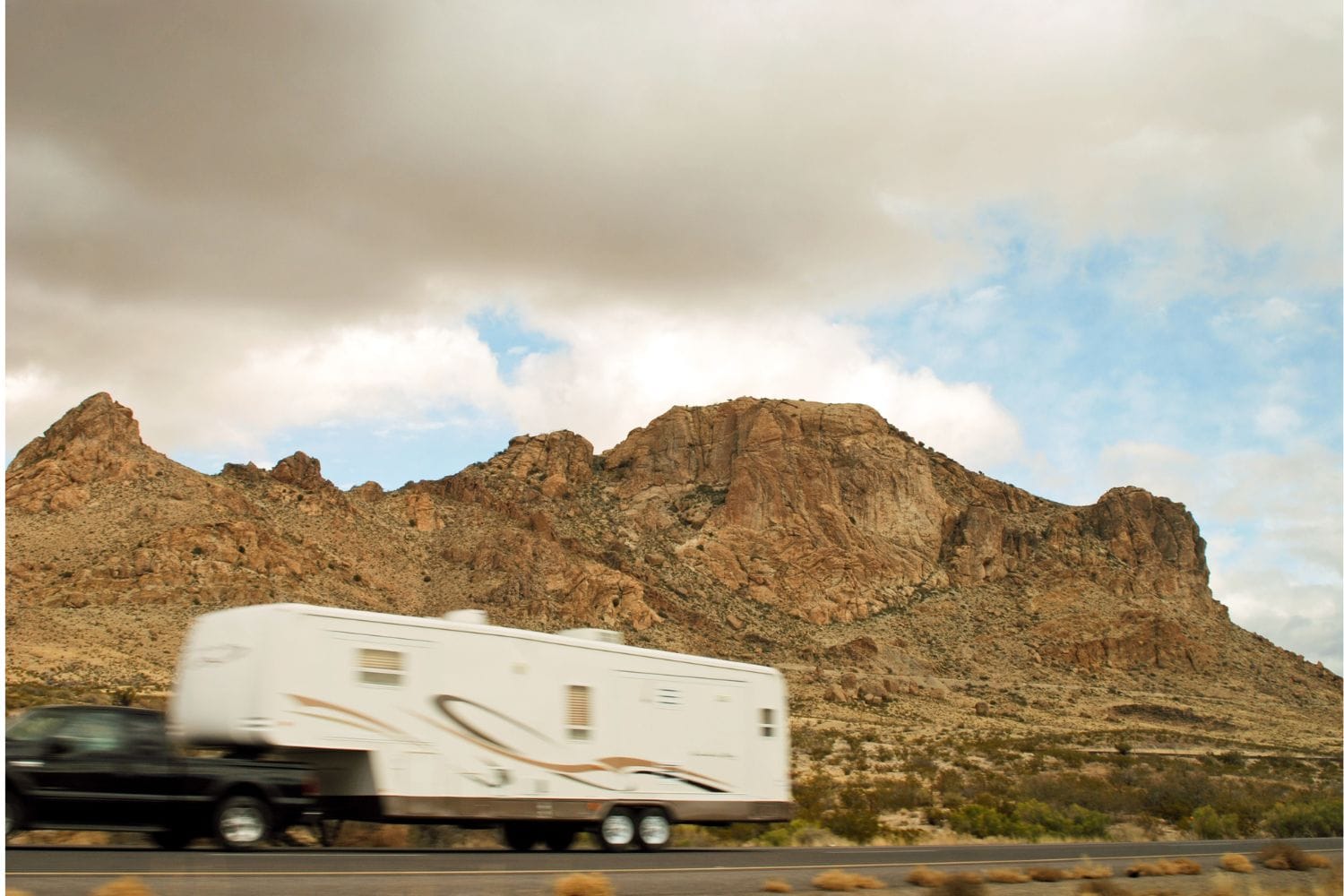
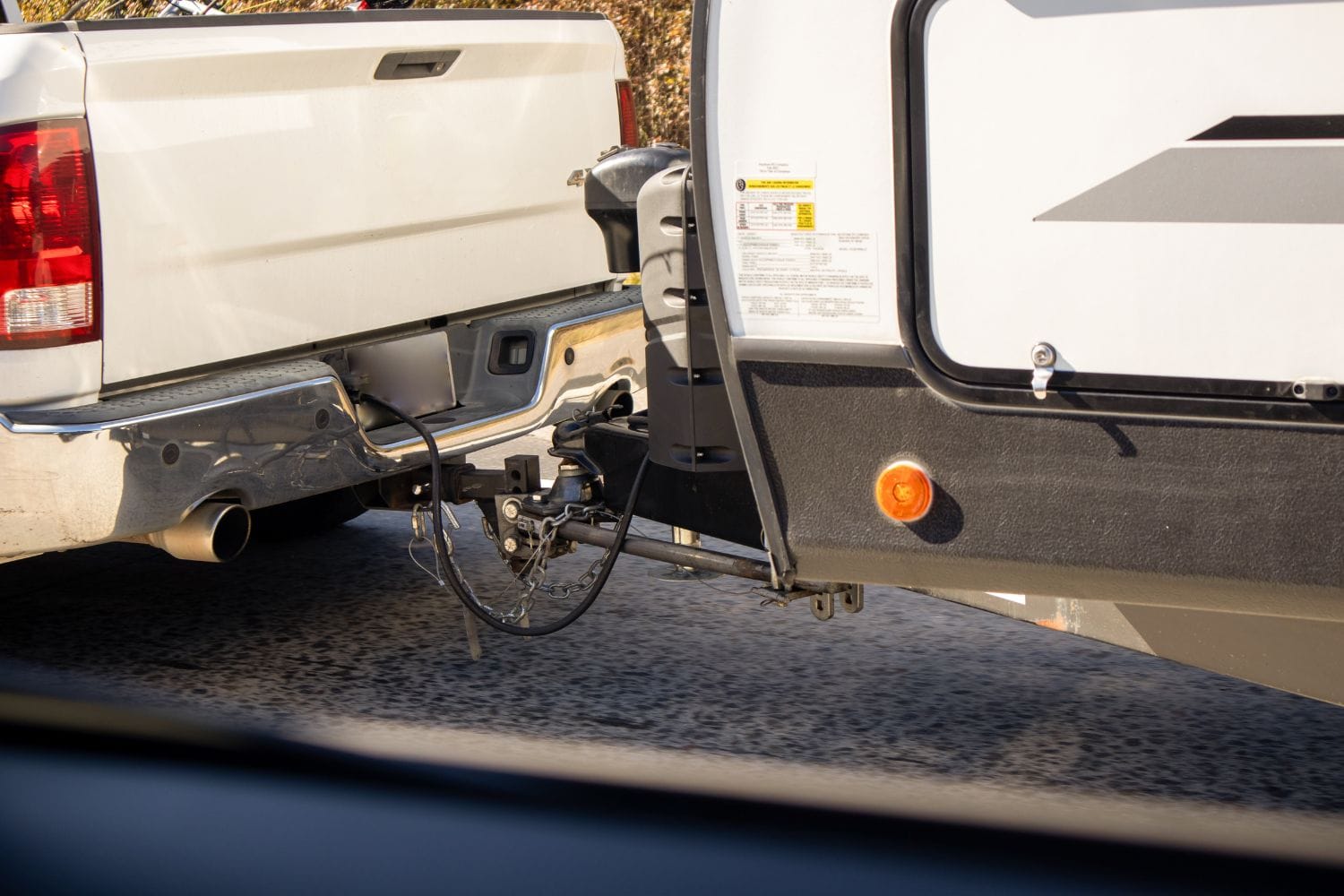
Practice hitching and unhitching in your driveway and create a checklist for your particular set of towing equipment. Go over that checklist twice before pulling out of the driveway and heading to the campground. Also, always check your tire pressure on the truck and trailer before you leave. Consider getting a Tire Pressure Monitoring System (TPMS) to monitor tire pressure on your trailer while in transit. Tire blowouts are among the most common mishaps that RVers face and, in most cases, they are avoidable.
Don’t blindly trust your GPS
Review your route and make sure it is RV-friendly in terms of road safety, overhead clearances, and legality. There are certain roads where RVs are banned or restricted, certain tunnels where propane tanks are not allowed, and certain corridors where low-hanging branches might destroy your rig. Know before you go. There are apps that can help, but it’s also important to check with other RVers who have gone before you. Call campgrounds or check their websites for specific information about the safest routes and approach to the location.
Have a strategy for fueling up
Never let your gas tank get close to empty when towing. Start looking for gas when you still have at least one-third of a tank left. Try to use travel plazas to get gas, as most of them will be easy to navigate. Avoid getting off on exits and heading into towns where the local gas stations may be difficult or impossible to navigate. If you have a larger travel trailer, consider using Google Maps in Street View to check gas stations in advance for navigability. When you do stop for gas (or food), check all towing connections and your tire pressure. (Good Sam Elite Members get $0.10 off per gallon at Pilot Flying J locations—word to the wise!)
Drive patiently & defensively
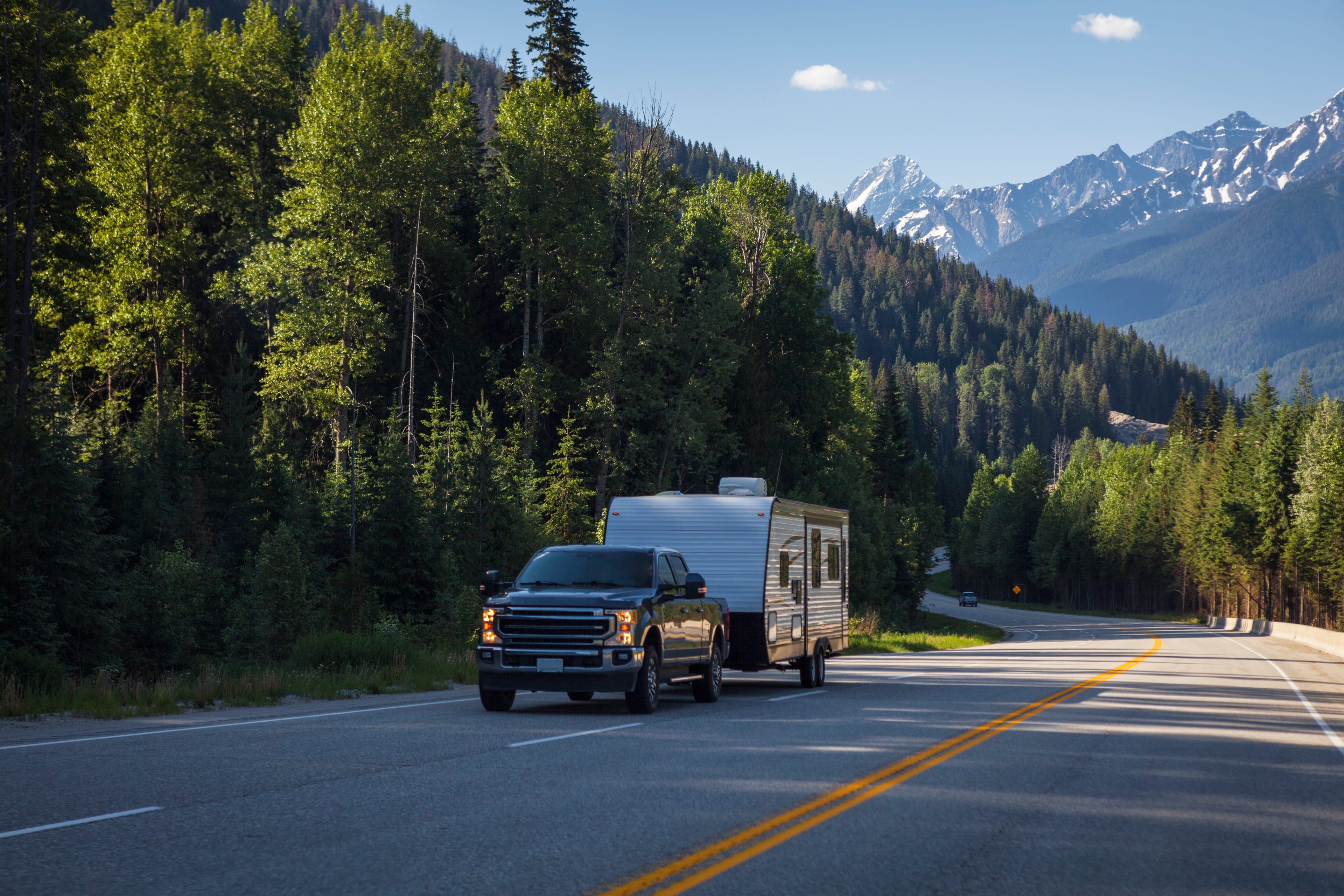
Keep a safe distance from the vehicle in front of you and allow for more time and space for braking, switching lanes, and making turns. If your truck and trailer are properly matched and you have a quality hitch with weight distribution and sway control, you should not have a sway incident caused by high winds or passing trucks. If you do experience trailer sway, don’t hit the brakes. Instead, ease off the gas and keep a firm grip on the wheel while steering straight.
Watch the weather; know your limits
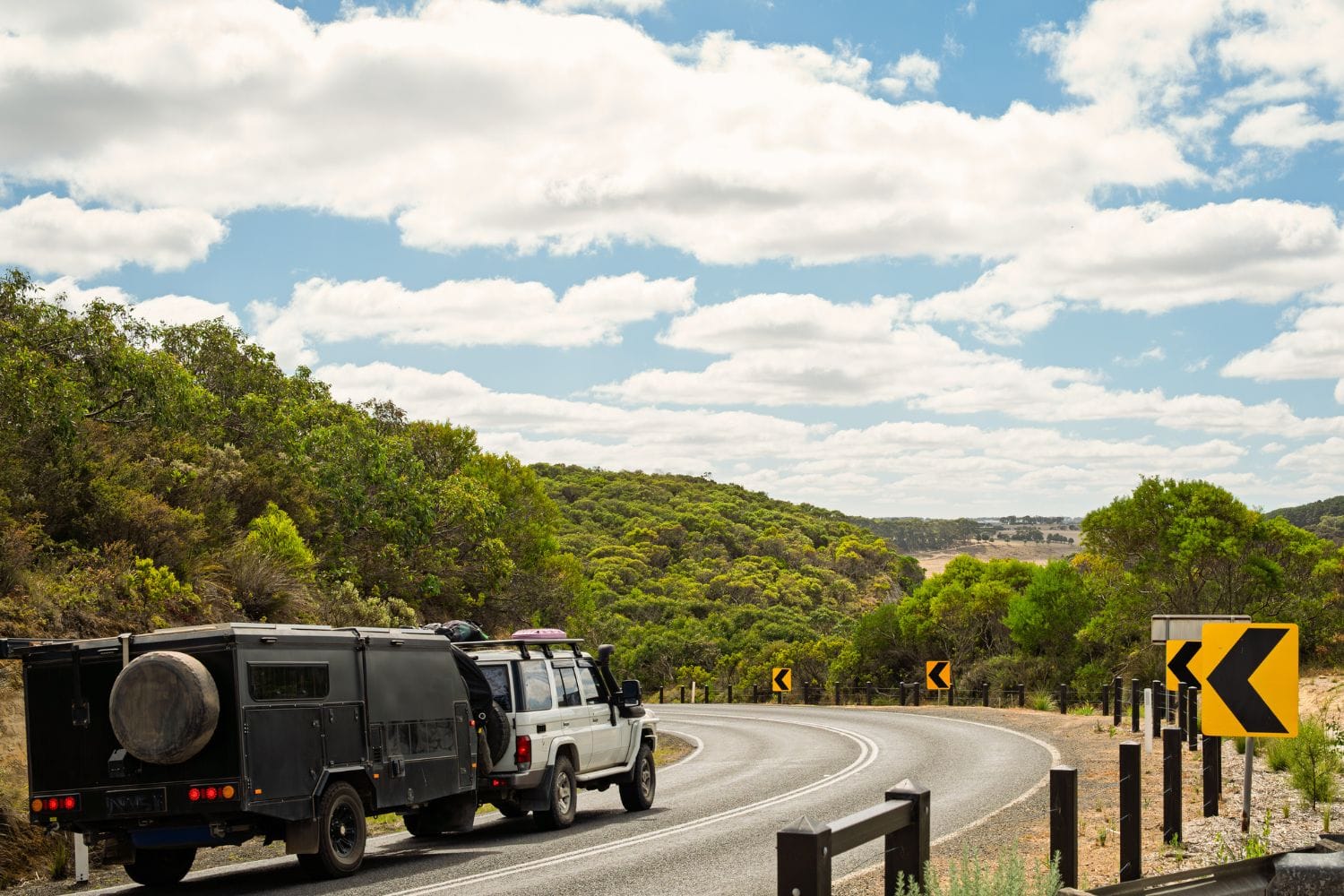
The weather can change quickly and unexpectedly on a road trip. If you’re uncomfortable towing because of wind, rain, snow, or any other factor, pull over and take a break until conditions change and the roads are safe again. Don’t push your limits and tow a travel trailer when you’re tired. Everyone’s capacity is different in terms of how long they can tow in one stretch. Figure out what your limits are and respect them. It is always better to stop for the night instead of driving while fatigued. The campground will be waiting for you in the morning.
Read More: 5 RV Destinations to Visit in 2026
About the author
Jeremy Puglisi is the co-host of The RV Atlas podcast and the co-author of RV Vacations, See You at the Campground, and the bestselling and award-winning series of books Where Should We Camp Next? He has been featured or published in the New York Times, Good Housekeeping, AARP, AAA, ROVA, Trailer Life, RV Magazine, The Art of Manliness, 1000 Hours Outside, and dozens of other print and digital publications. He lives at the Jersey Shore with his family and loves surfing, camping, and cooking outside on his Blackstone griddle.
Jeremy Puglisi is the co-host of The RV Atlas podcast and the co-author of RV Vacations, See You at the Campground, and the bestselling and award-winning series of books Where Should We Camp Next? He has been featured or published in the New York Times, Good Housekeeping, AARP, AAA, ROVA, Trailer Life, RV Magazine, The Art of Manliness, 1000 Hours Outside, and dozens of other print and digital publications. He lives at the Jersey Shore with his family and loves surfing, camping, and cooking outside on his Blackstone griddle.
More Travel + Towing Stories
Check out the full February 2026 Digital Issue of Wildsam Magazine.