

Retracing A 75-year-old Western Road Trip
“Oh you love my travel itinerary? Thanks, it’s vintage!”
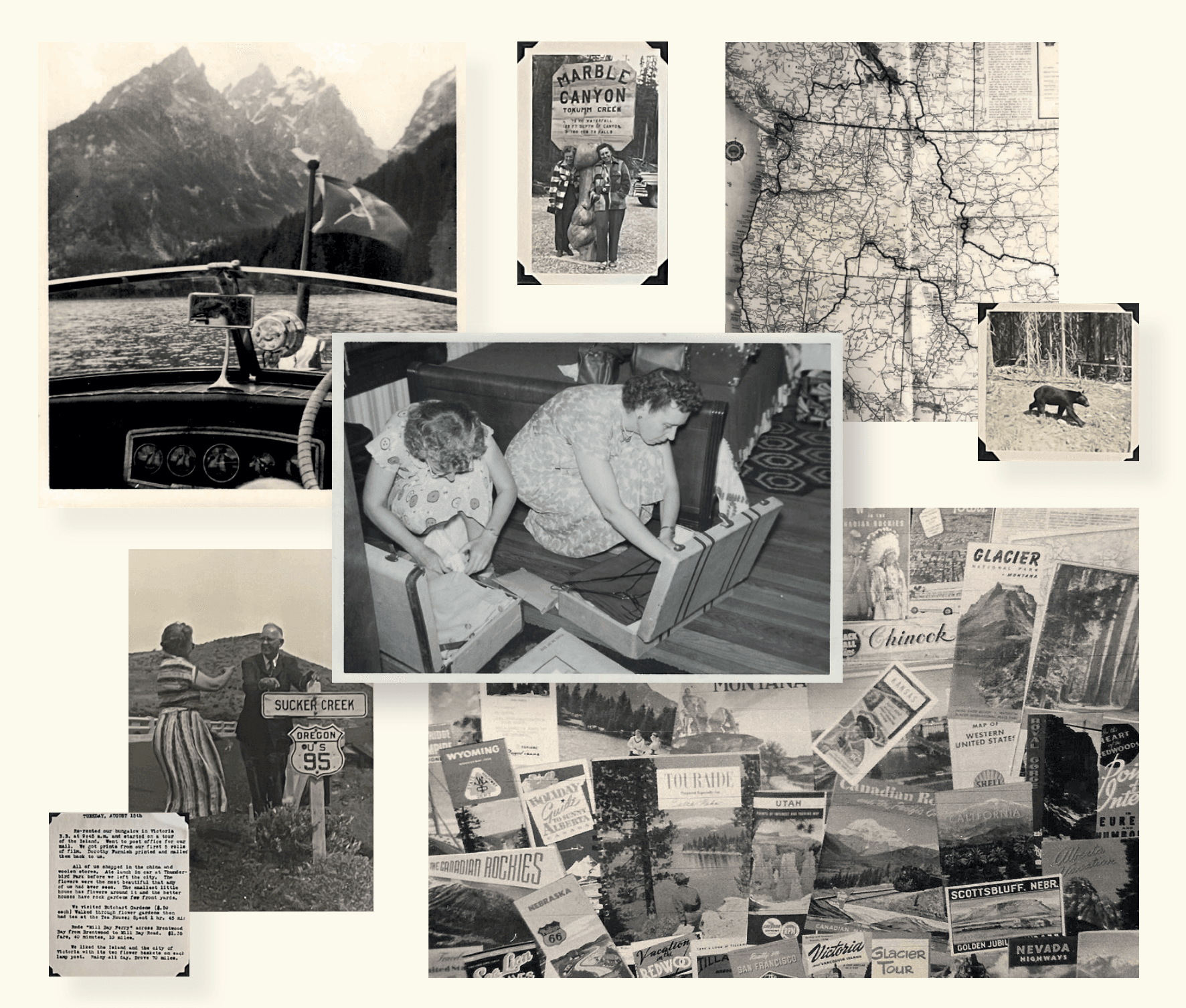
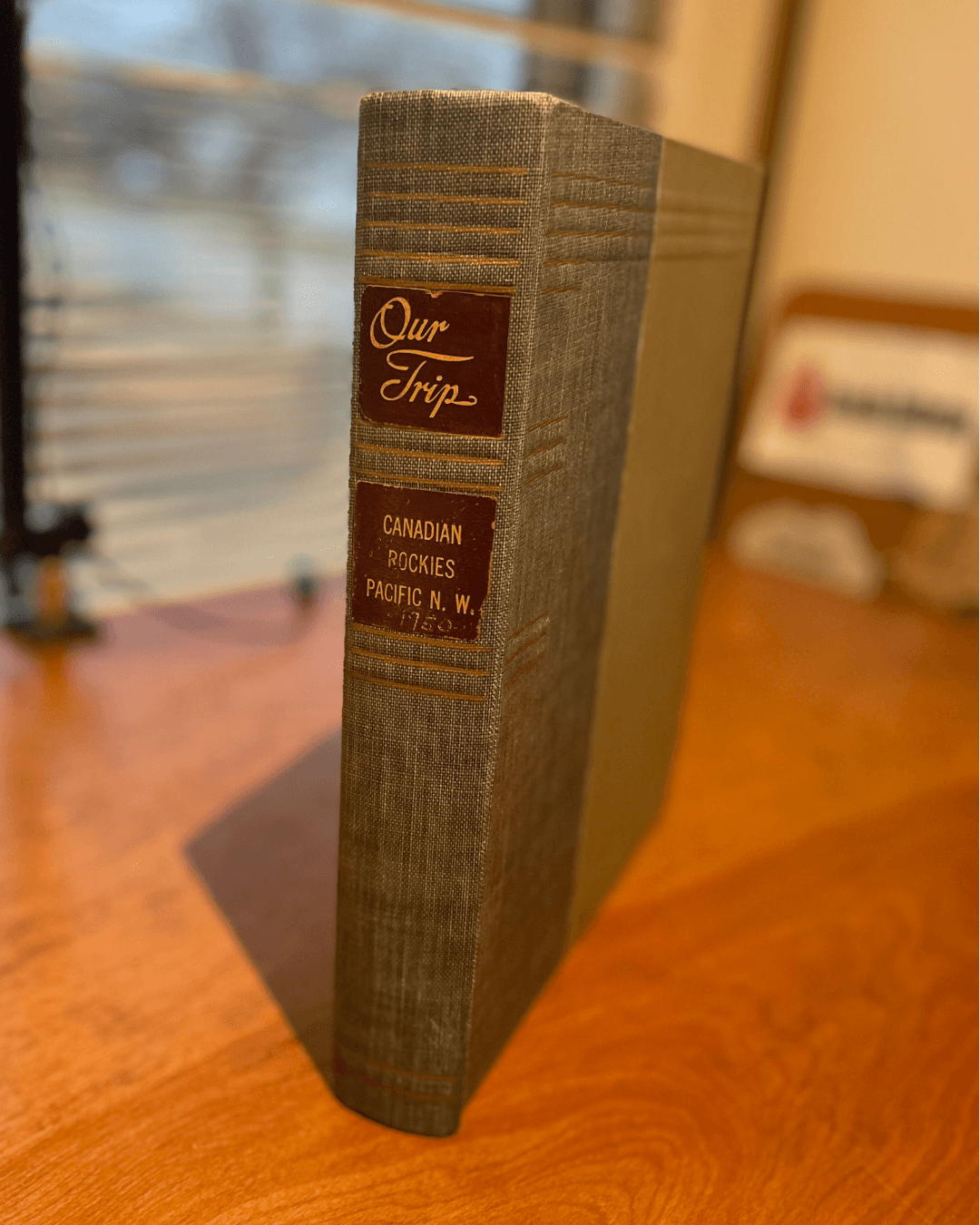
The origin of the scrapbook Carmon Unruh found in her mother’s estate was a mystery. The bound volume detailed a month-long road trip taken by four friends from Kansas in 1950, but nobody knew who they were. Carmon’s first instinct was to post on social media, hoping to find one of the travelers’ relatives who might want the book as a keepsake.
My first instinct when I saw her post was, “I want that book.”
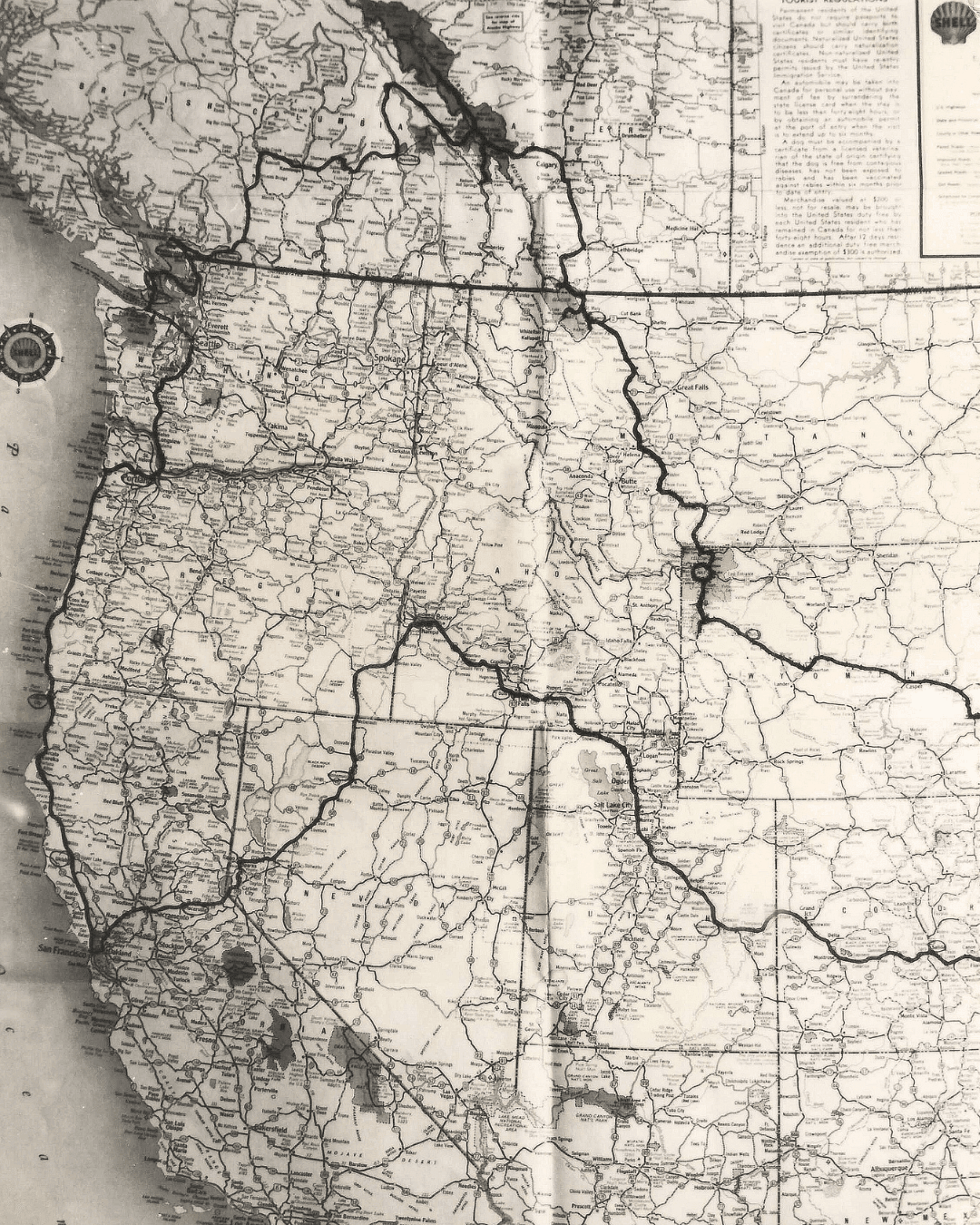
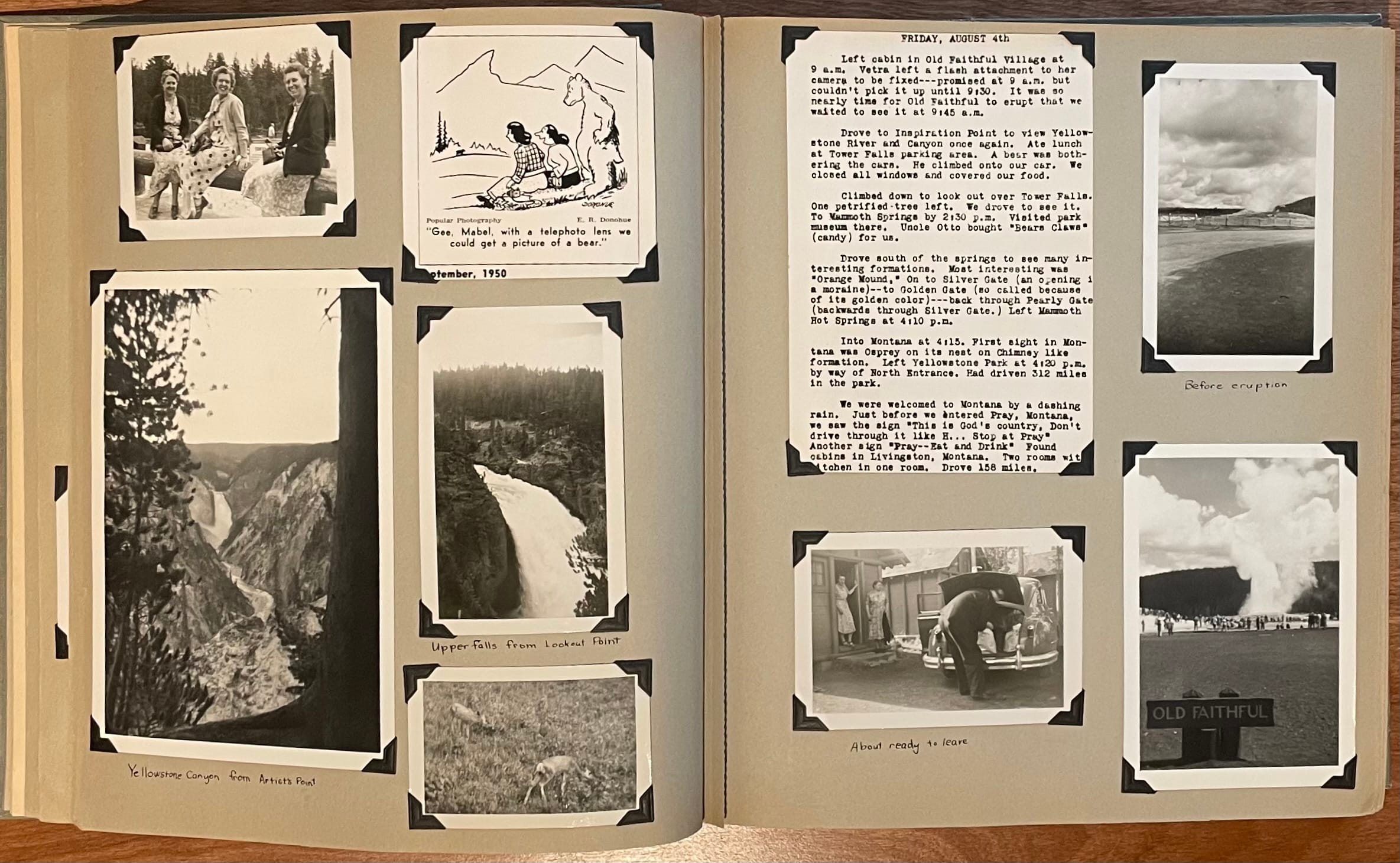
A “forever friend” for more than 50 years, Carmon agreed that if no family members claimed the scrapbook, it was mine. We marveled at the time and dedication it must have taken to plan, execute and then beautifully document the 29-day, 6,969- mile adventure that included 11 states, two provinces, five national parks in the US and five in Canada—at a time before the internet and interstates. Not only was the book full of scenic vacation snapshots, it included a daily recap of routes and stops, a complete breakdown of costs, and a list of highlights (and a few lowlights). We laughed at the total spent on this epic journey— $603.11 for four people, all-inclusive—and wondered how much the same would cost today.
That’s when the lightbulb blinked on. We needed to recreate this trip.
We would hit the road, we decided, in August 2025, the 75th anniversary of the quartet’s original journey. Carmon, a retired educator and a travel guide, got to work on preliminary planning. I, a historian and museum curator, got digging into the original travelers.
Thanks to small-town newspapers now digitized and online, I pieced together the identities of the 1950s road trippers. The scrapbook had the owner’s name, Vetra Hahn, written in it, with her travel companions Uncle Otto, “Uncle Gem,” and Ardyce noted in the captions. Otto Mulvaney, a Methodist minister, and his wife, Gladys “Gem” Mulvaney—who, for unknown but likely hilarious reasons, was known as “Uncle Gem”—owned their ride, a 1946 Chrysler Windsor. Vetra was a math teacher at Liberty Junior High in Hutchinson, Kansas. Her friend Ardyce Freeman taught at Avenue A Elementary. All four traveled extensively, as documented in multiple newspaper stories. In fact, Vetra’s hometown Hutchinson News reported that after retiring at age 65 in 1973, she set off to Antarctica, marking off her seventh continent.
We vowed to follow the original itinerary—real-life time travel—visiting the same sites as the 1950 crew. They made few lodging reservations, often simply stopping at unnamed tourist cottages and cabins along the way. We needed assurance, so we booked a combination of tent campsites, KOA cabins, Airbnbs and a few vintage motels.
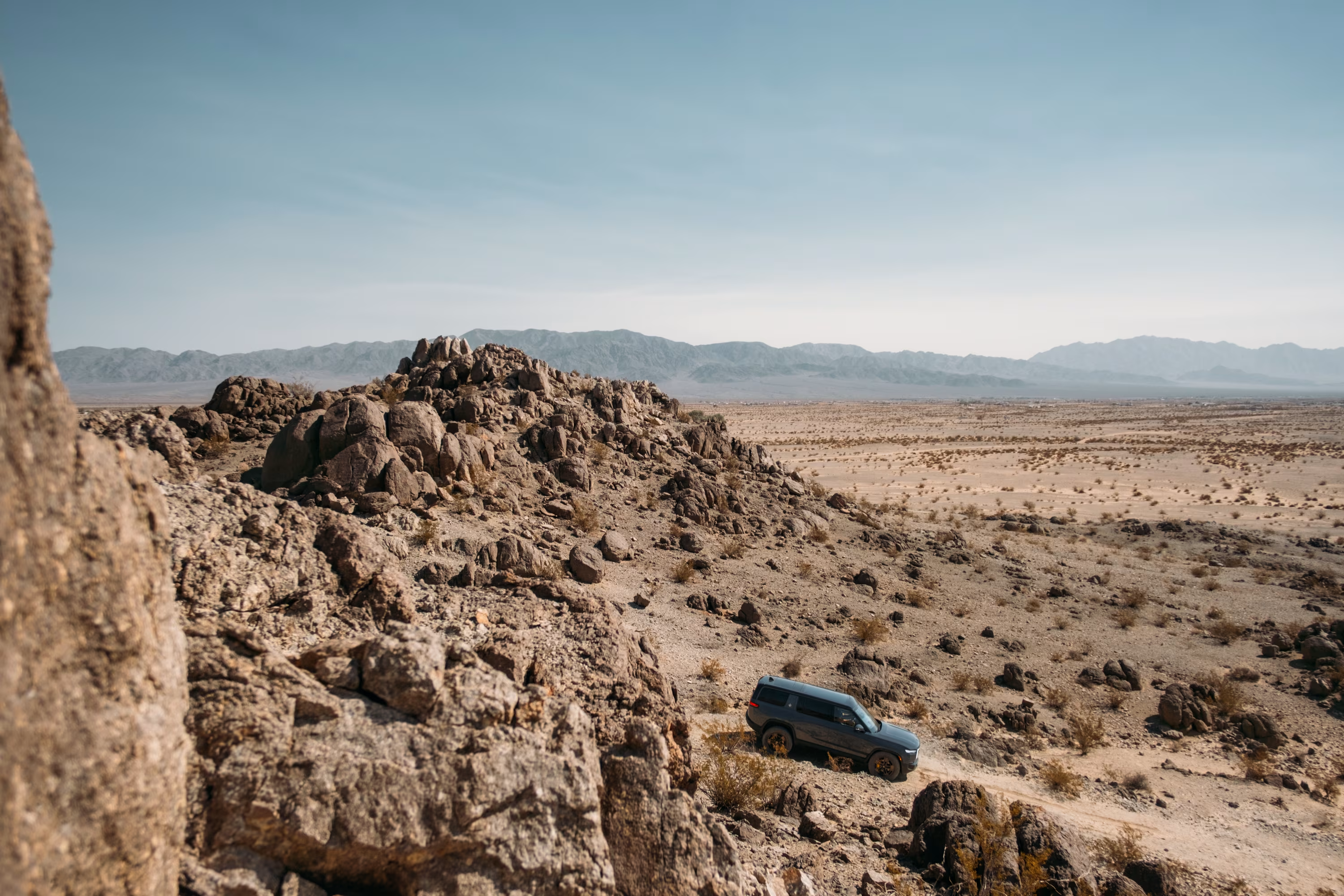
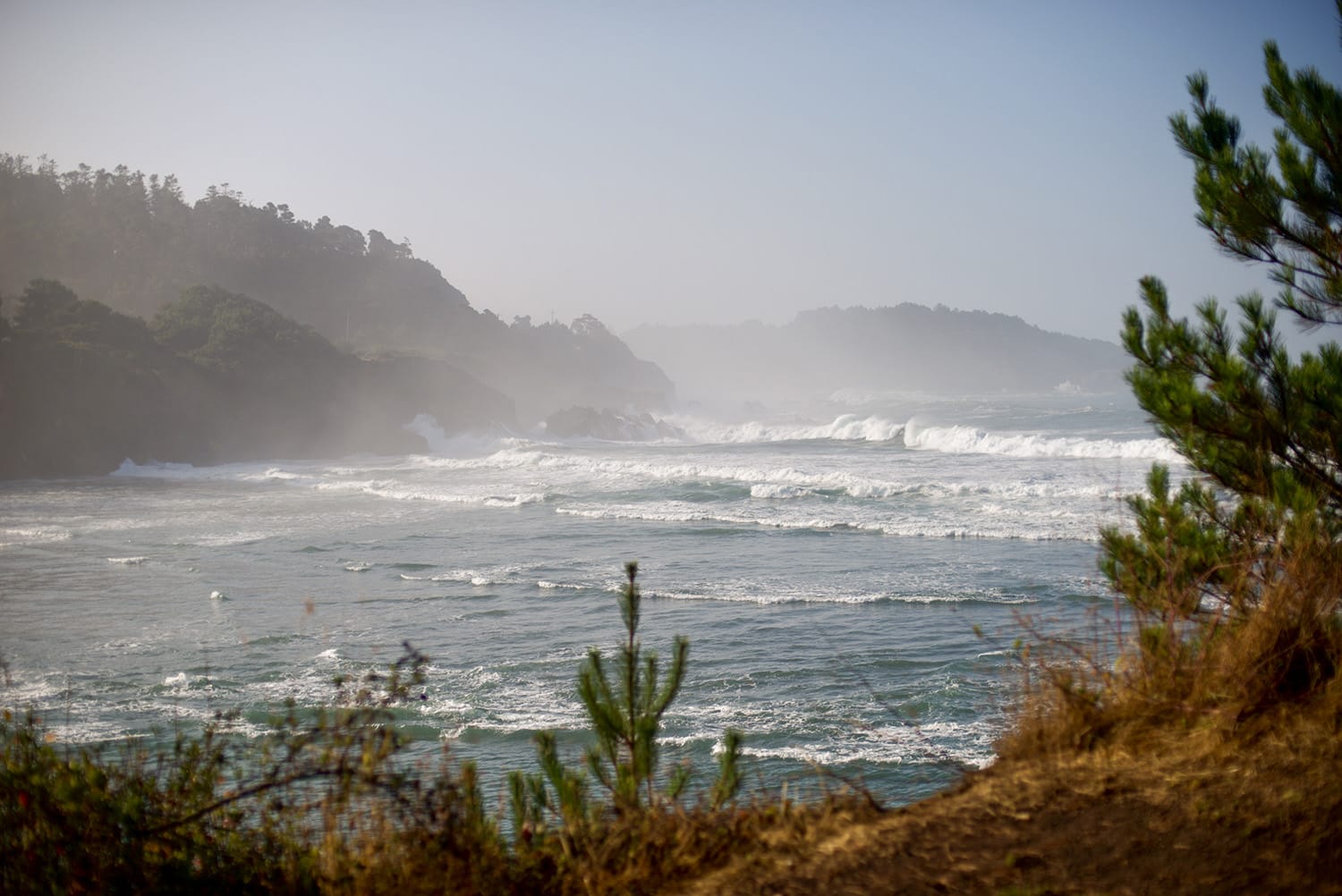
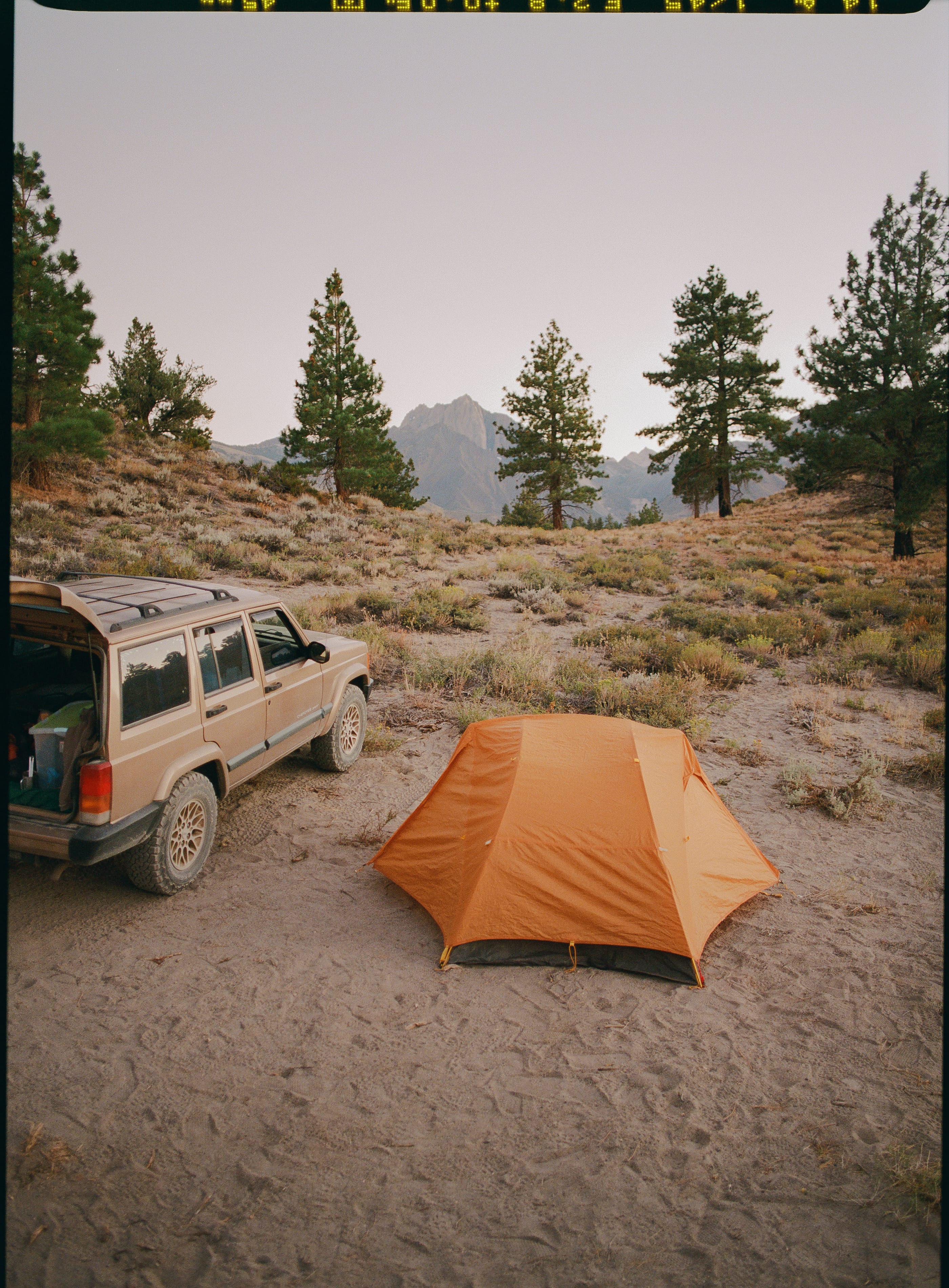
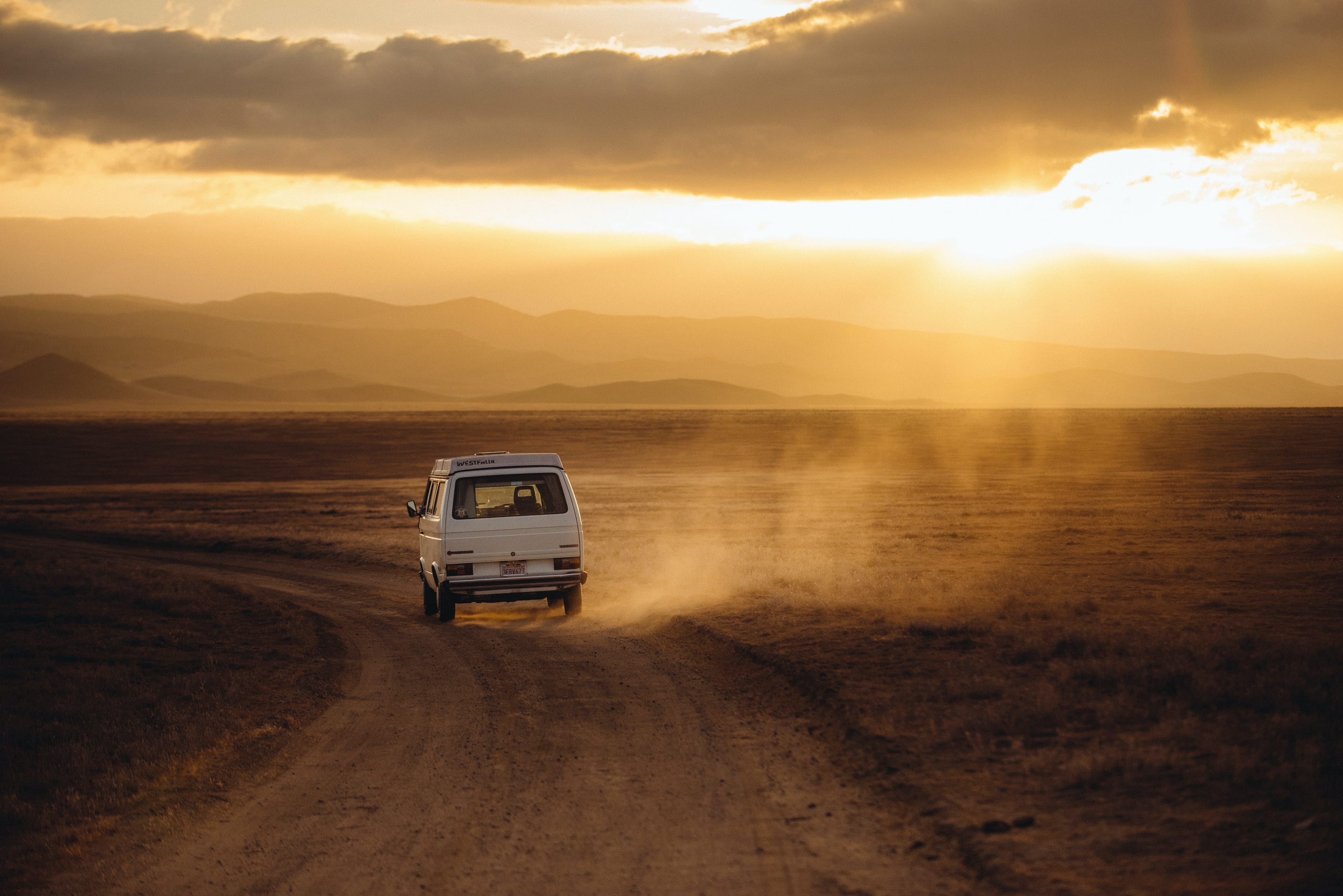
On July 31, we hit the road from Carmon’s house in Pretty Prairie, Kansas, and headed toward our first overnight in Wyoming, determined to stick to the same roads taken in 1950 whenever possible. The trip took us to Grand Teton, Yellowstone, Glacier, Waterton Lakes, Banff, Kootenay, Yoho, Jasper, Olympic and Redwood national parks. We marveled at the Rockies on both sides of the border and were rendered speechless by glowing blue glacial lakes in Canada. We had to tear ourselves away from the wild and rugged Oregon Coast and the ancient redwoods. We stuck toes in freezing lakes and rivers, waded in the Pacific, got misted by waterfalls, drank meltwater on a glacier and bobbed in Great Salt Lake. Breathtaking drives on the Going to-the-Sun Road at Glacier, Deer Park Road at Olympic and US 101 in Northern California gave us spectacular views, and sometimes sweaty palms.
The 1950 itinerary included activities we never would have planned for ourselves, such as visits to several state capitols and riding a chairlift up Mt. Norquay in Banff. But Vetra and crew rarely steered us wrong. We vowed that if we can convince Carmon’s daughters to drive us, we’re going to do it again in 2050, for the 100th anniversary.