


Scout the America Others Pass By
Scout Motors x Wildsam
Wildsam is a scout for the American traveler. The wilderness byway. The roadside diner. The backcountry lodge. The tucked-away campsite. We’re out there, visiting these places, gathering intel and helping fellow travelers better understand and engage with the road before them. Our inspiration for this book–and the many that have come before it–shares much in common with the spirit of Scout Motors: An iconic nameplate that birthed one of America’s most legendary rides, the Scout® brand has always called people to go forth. To see new things. To take the long way around and meet someone new. The brand represents a spirit of exploration and discovery, and as Scout Motors readies new vehicles for market, we’re proud to join hands and inspire your next adventure.
History of the Scout
1958
Plans for a light-duty truck called the Scout are developed by International Harvester.
1960
The first Scout pickup trucks are assembled in Fort Wayne, Indiana.
1961
The Scout 80™ launches with options for two- and four-wheel drive.
1963
A removable bulkhead is added so Scout trucks can be configured as a pickup or wagon.
1964
Scout vehicle number 100,000 rolls off the assembly line and luxury options are added.
1965
The Scout 800™ is released with updated safety features like seatbelts.
1971
After years of development, the Scout II™ debuts with power steering, air conditioning, and improved ride quality.
1975
Amidst the fuel crisis, International Harvester discontinues most light-duty trucks—but keeps the Scout vehicles in production.
1976
International™ Harvester celebrates the U.S. Bicentennial with patriotic models like the Spirit of ‘76.
1977
Archie McCardell becomes CEO of International Harvester.
1980
The last Scout truck is built as International Harvester focuses on agricultural and industrial markets.
1984
International Harvester sells its agricultural division.
1986
With a focus on heavy-duty trucks, International Harvester changes its name to Navistar International.
Town of Note
Fort Wayne, IN
Lying at the intersection of three rivers—the St. Marys, the Maumee and the St. Joseph—Fort Wayne has long been an economic and cultural hub. After General “Mad” Anthony Wayne established a U.S. Army Fort along the confluence, railroads and canals brought a mix of immigrants and industry to northeast Indiana. Even amidst economic downturns, Fort Wayne expanded and thrived. Businesses like International Harvester—which started manufacturing there in 1923—made the city the heavy-duty trucking capital of the world, a history honored by events like the Harvester Homecoming and at the Historical Society in the old city hall building.
SIGNATURE PURSUIT
Rent a kayak at any number of shops and launch on the outskirts of the city. Over the course of four miles, you’ll wend through parks, marvel at suspension bridges, and watch the skyline come into view as the current brings you downtown. Up for a more challenging trip? Northeast Indiana Water Trails has mapped access sites and more ambitious paddles along the St. Joseph and Maumee Rivers, facilitating excursions far beyond the city limits.
2016
Traton SE, a subsidiary of Volkswagen Group, buys a stake in Navistar International.
2019
Vehicle enthusiast Ryan Duvall organizes a Scout Meetup, which morphs into an annual event—and plans for a museum—in Fort Wayne.
2021
Traton SE acquires all of Navistar International.
2022
Volkswagen Group announces plans to revive Scout vehicles. Scott Keogh is named CEO of Scout Motors.
2024
Scout Motors breaks ground on a 1,600-acre vehicle manufacturing plant in Blythewood, South Carolina.
2024
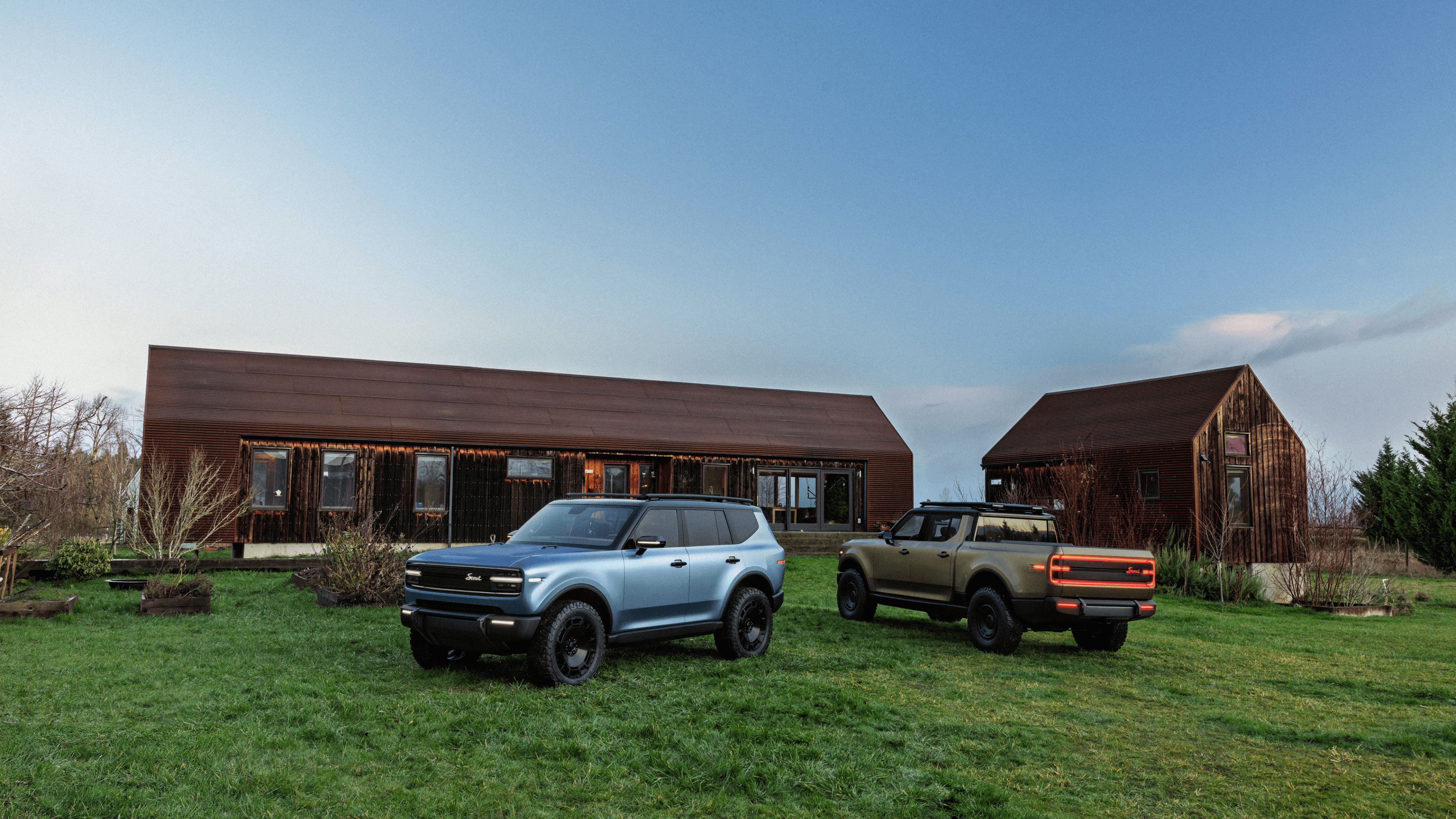
Scout Motors unveils two concept vehicles, the Traveler™ SUV and Terra™ pickup, at an event in Franklin, Tennessee.
2027
Targeting initial production for the first Scout Traveler and Terra vehicles.
Town of Note
Blythewood, SC
Blythewood has been marked by a series of starts and stops. Perched halfway between Columbia, SC, and Charlotte, NC, the community originally developed around Doko Depot as steam engines stopped there for water. That rail line was destroyed during the Civil War, only to be rebuilt as the town changed its name from Doko to Blythewood. A new railroad gave the small town (population: 6,700) a pulse in the twentieth century as an agricultural hub, and eventually it became a destination for equestrians (Olympians have trained at facilities there). Today, the town is poised for growth—last year, Scout Motors broke ground on a multibillion-dollar manufacturing plant in Blythewood—with electric vehicle production representing a new start.
Signature Pursuit
Whether you’ve spent years in the saddle or never mounted a steed, the horseback riding in Blythewood is expansive. At Three Fox Farm, the training grounds for the University of South Carolina’s Equestrian Club team, visitors can book private or group lessons, while Long Creek Equestrian Centre, encompassing nearly 34 acres near the edge of town, is also home to a small zoo. Smith Farms, operated by the South Carolina Department of Agriculture, also offers riding lessons for all ages.
What Makes A Scout Truck
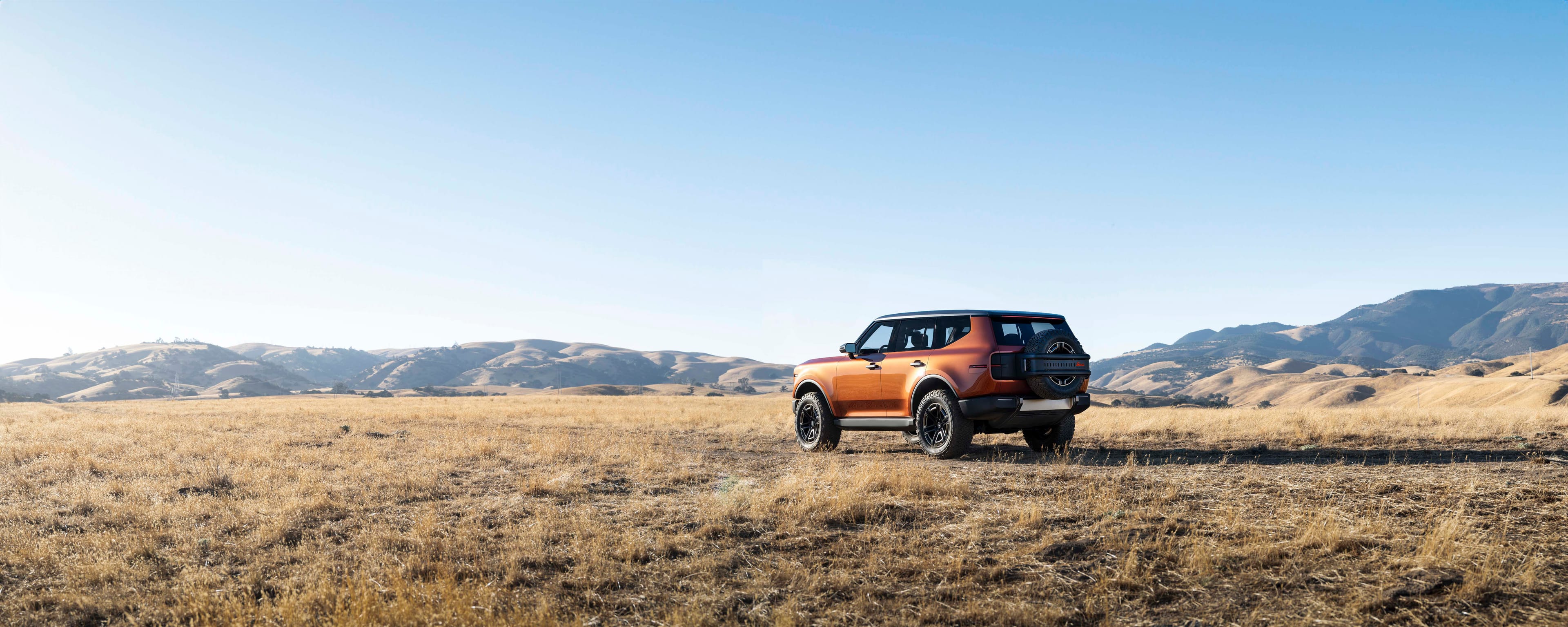
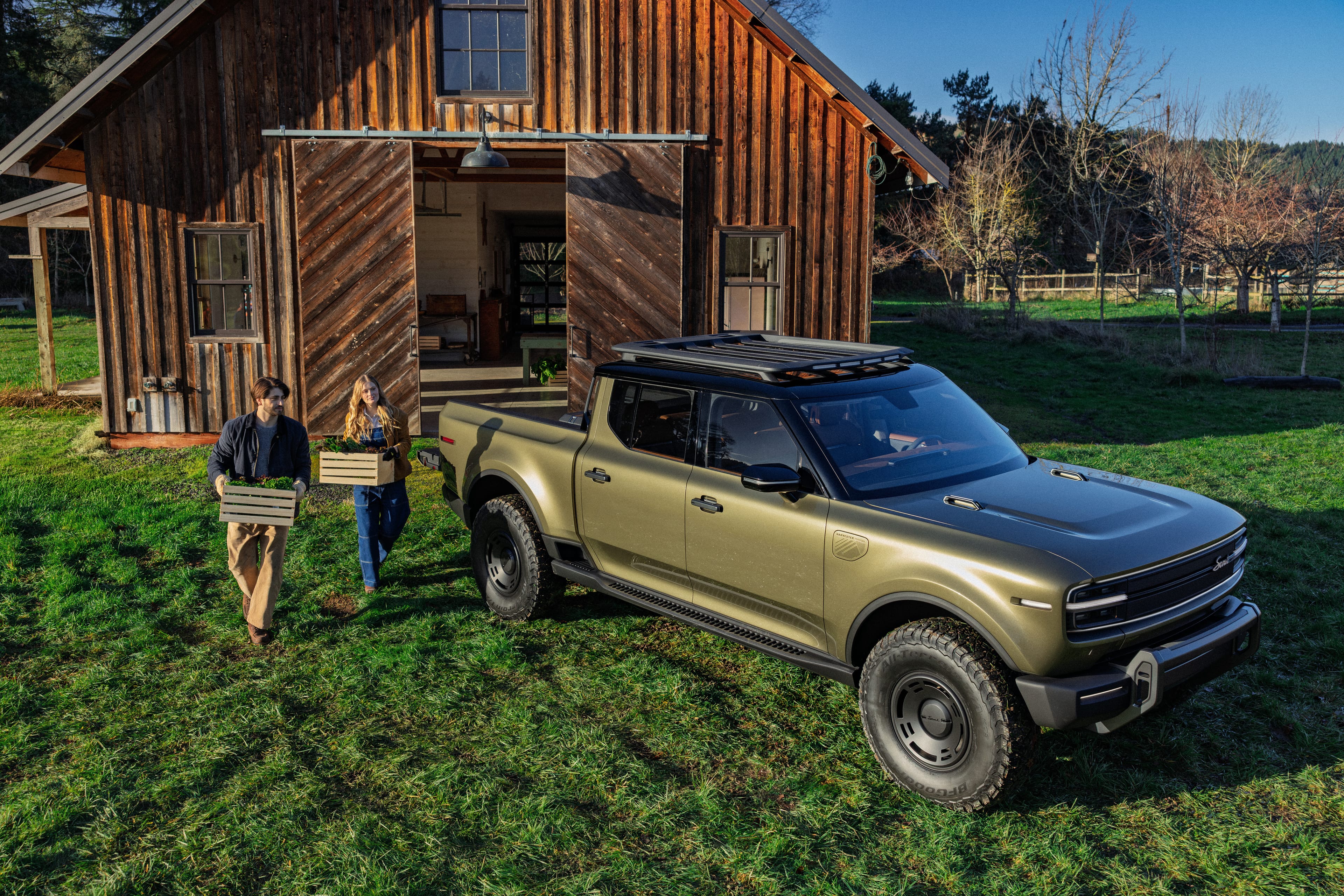
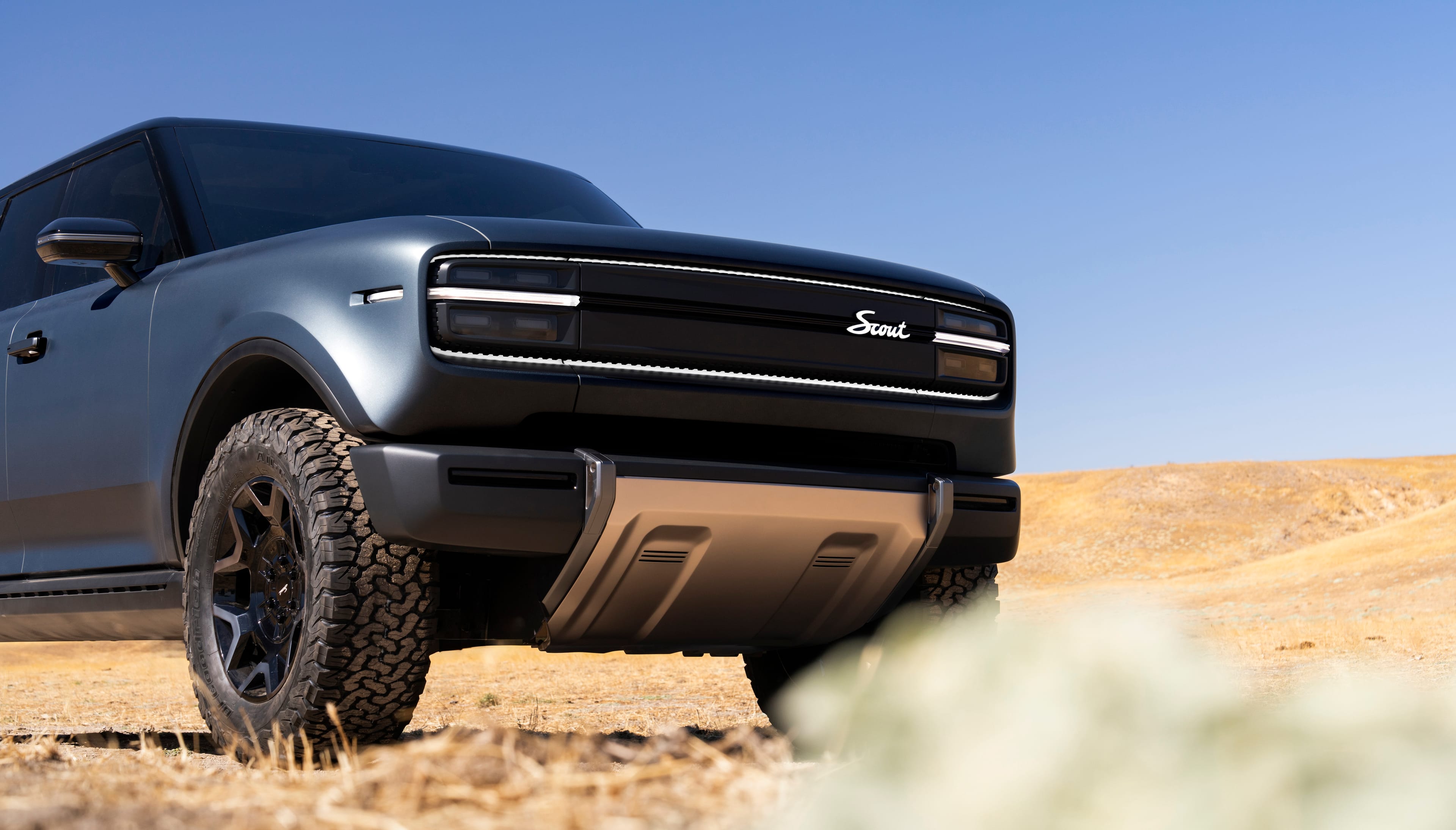
When designers began work on the new Scout vehicles, they did so with heritage and ingenuity in mind. More than six decades ago, International Harvester defined a segment, a versatile work truck and off-roader. They set the stage for modern SUVs, and before the last Scout model was built, the brand had built a devoted following around its capability and style. Now that Scout Motors has revived the Scout line with the Terra pickup and the Traveler SUV concepts—two nameplates from the 1970s—we examine their revival.
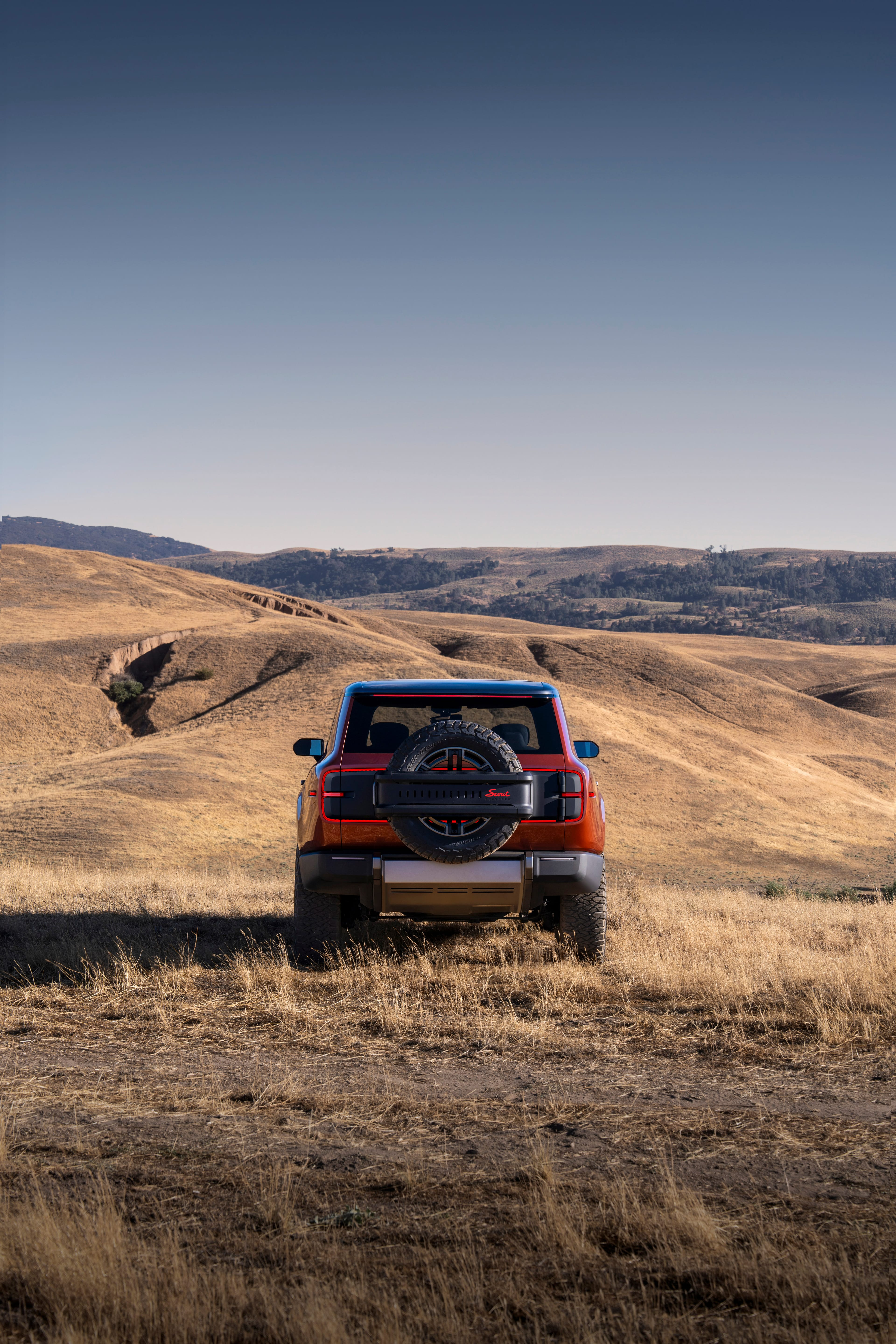
THE TRAVELER
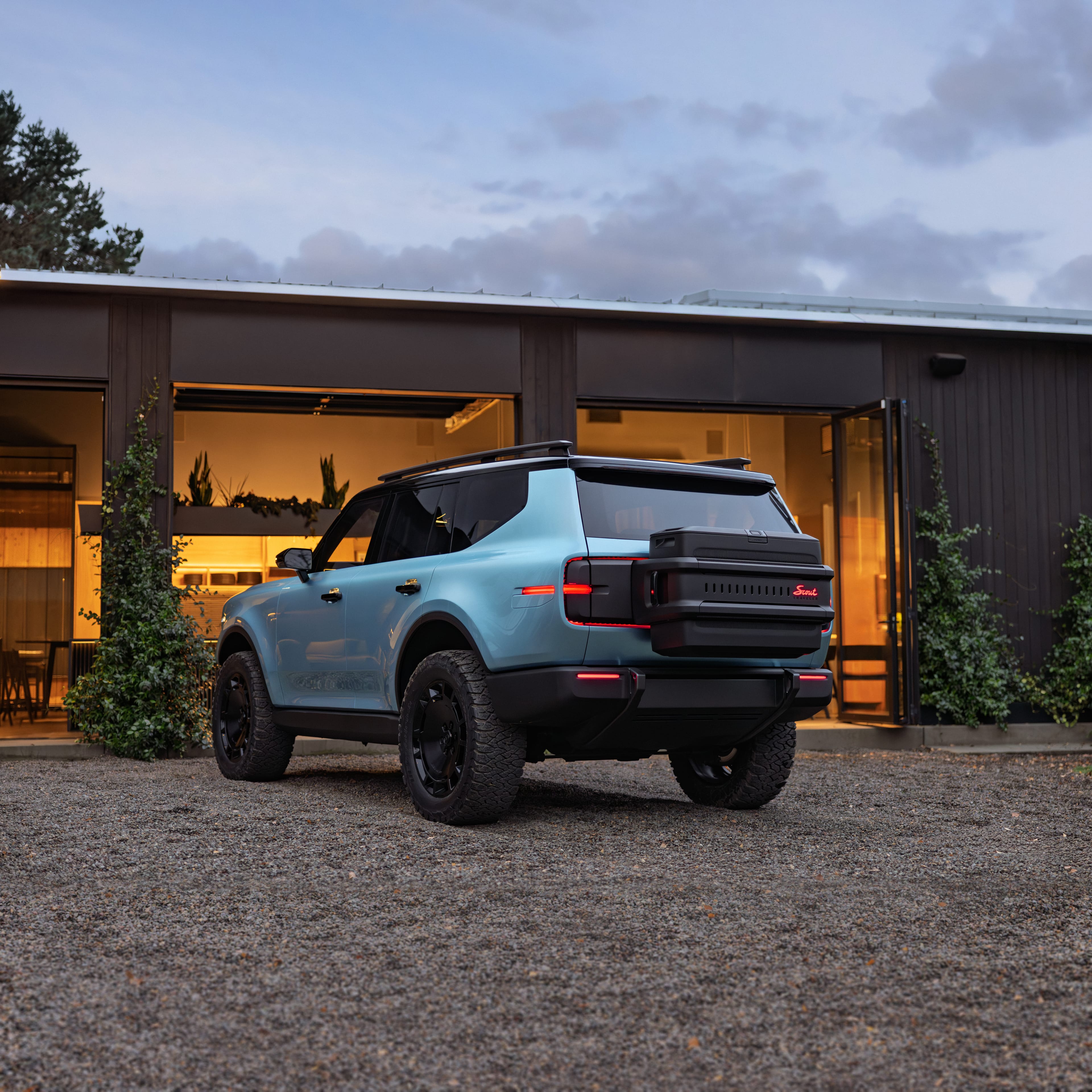
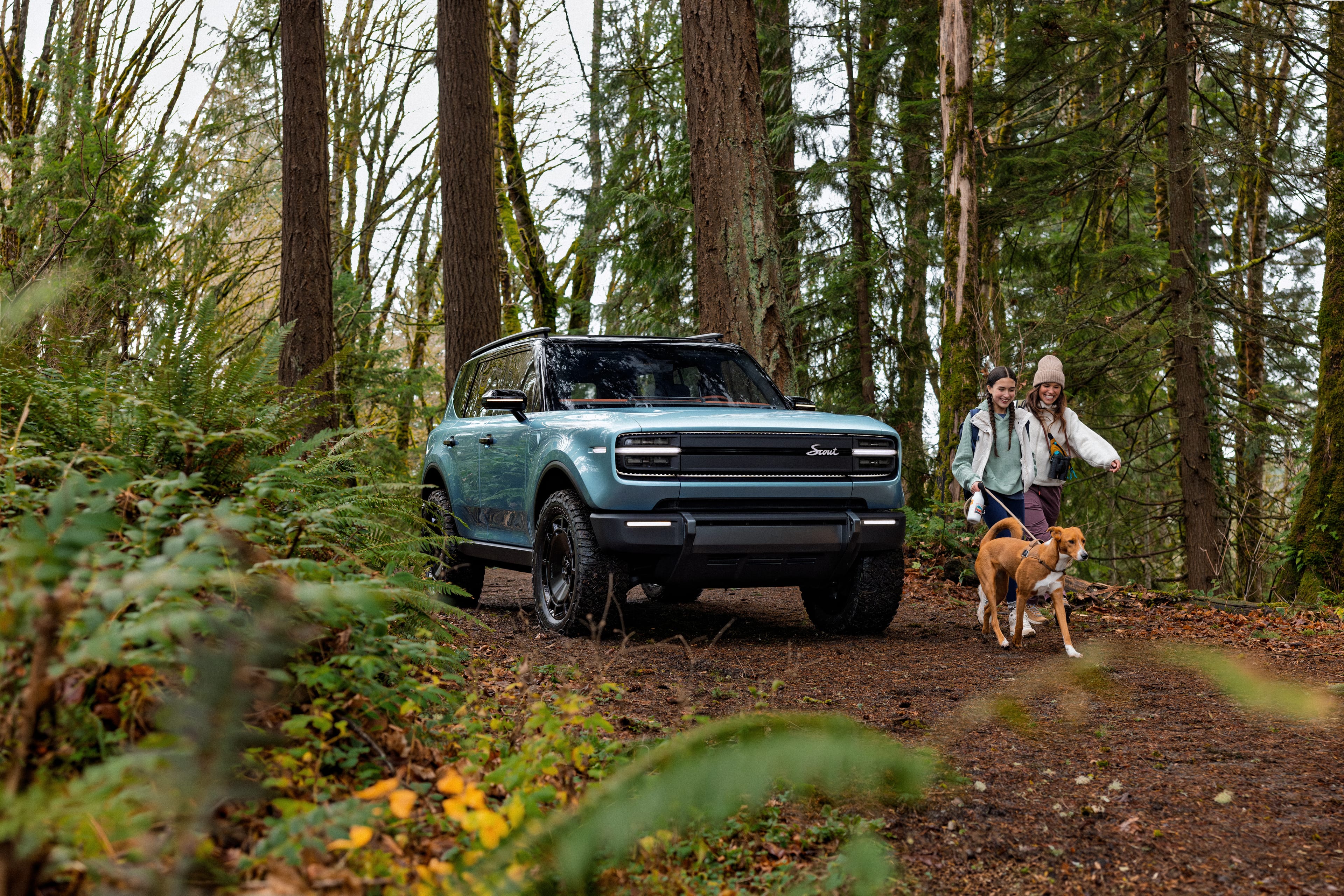
Unlike most SUVs in this era, the Traveler model is built with a solid rear axle and offers optional mechanical lockers on both axles, ensuring its off-road performance honors the Scout rides that came before it. With a shorter wheelbase than the Terra pickup, the Traveler is highly maneuverable, ideal for both the backcountry and city streets.
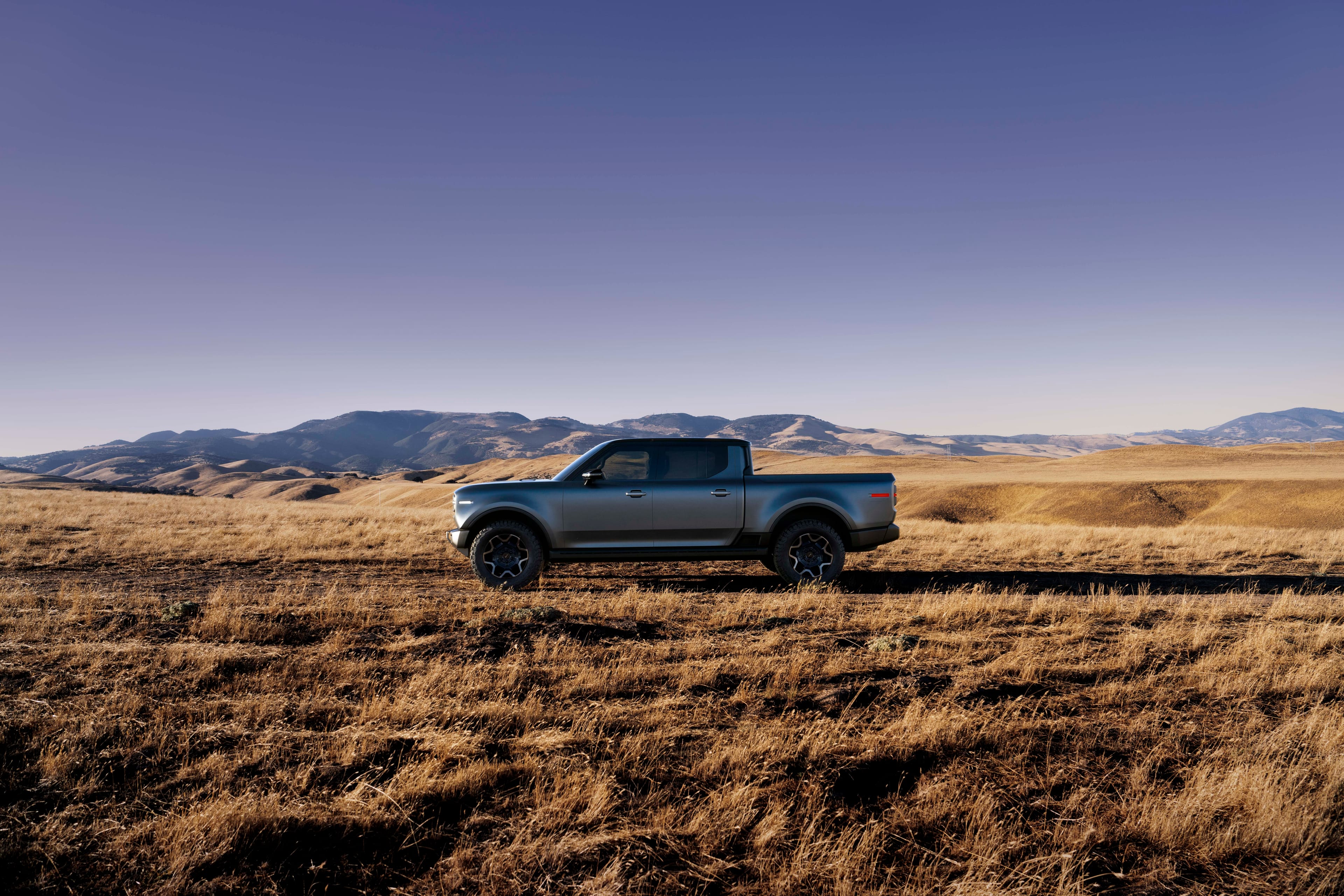
THE TERRA
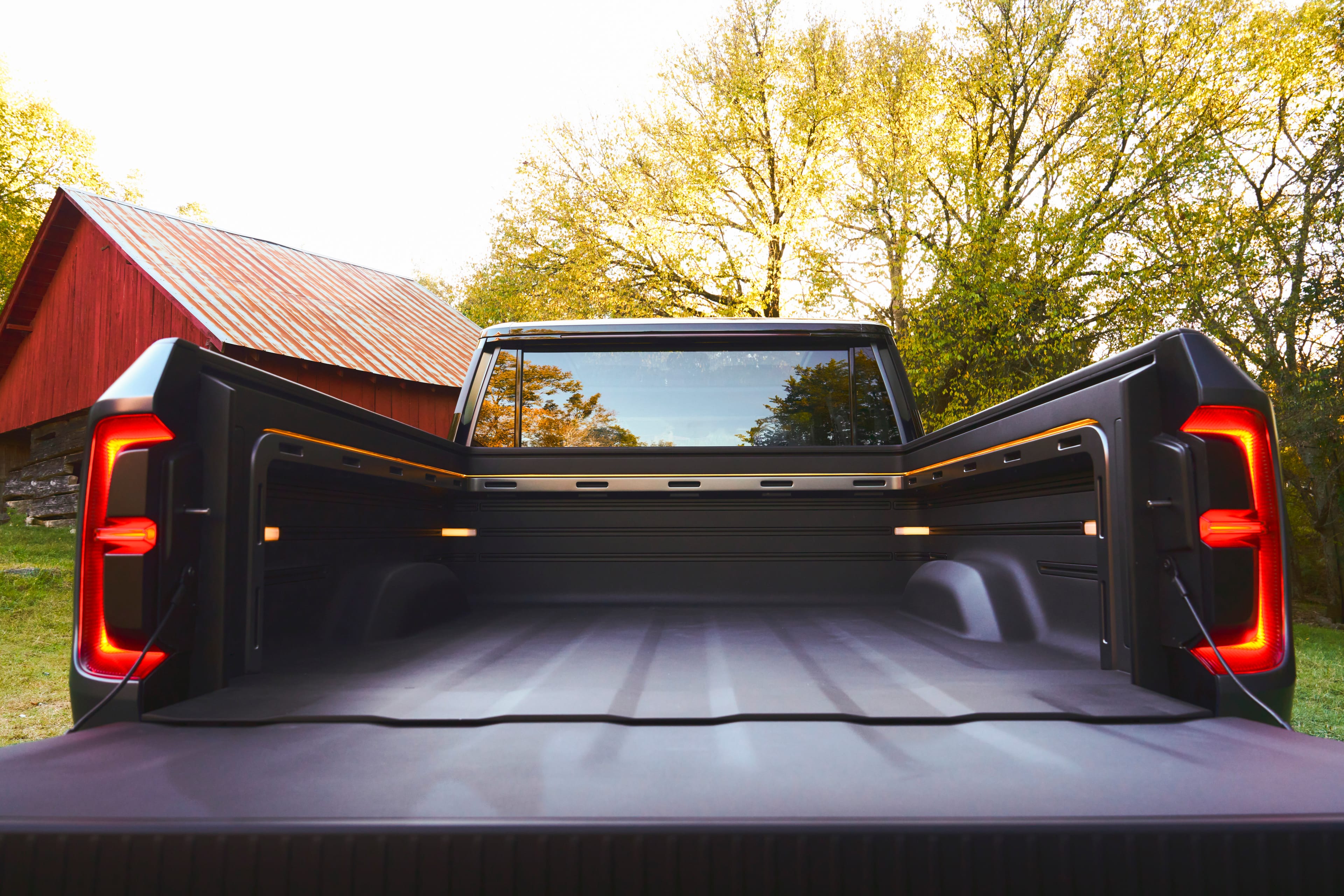
The Terra pickup concept sports a 5.5-foot bed, and available towing capacity of up to 10,000 pounds and a targeted 2,000-pound payload. A capable work truck, with optional charging outlets in the bed and the front trunk, and highly functional storage spaces. Feel the breeze with the sliding rear window and optional Cabana Top™
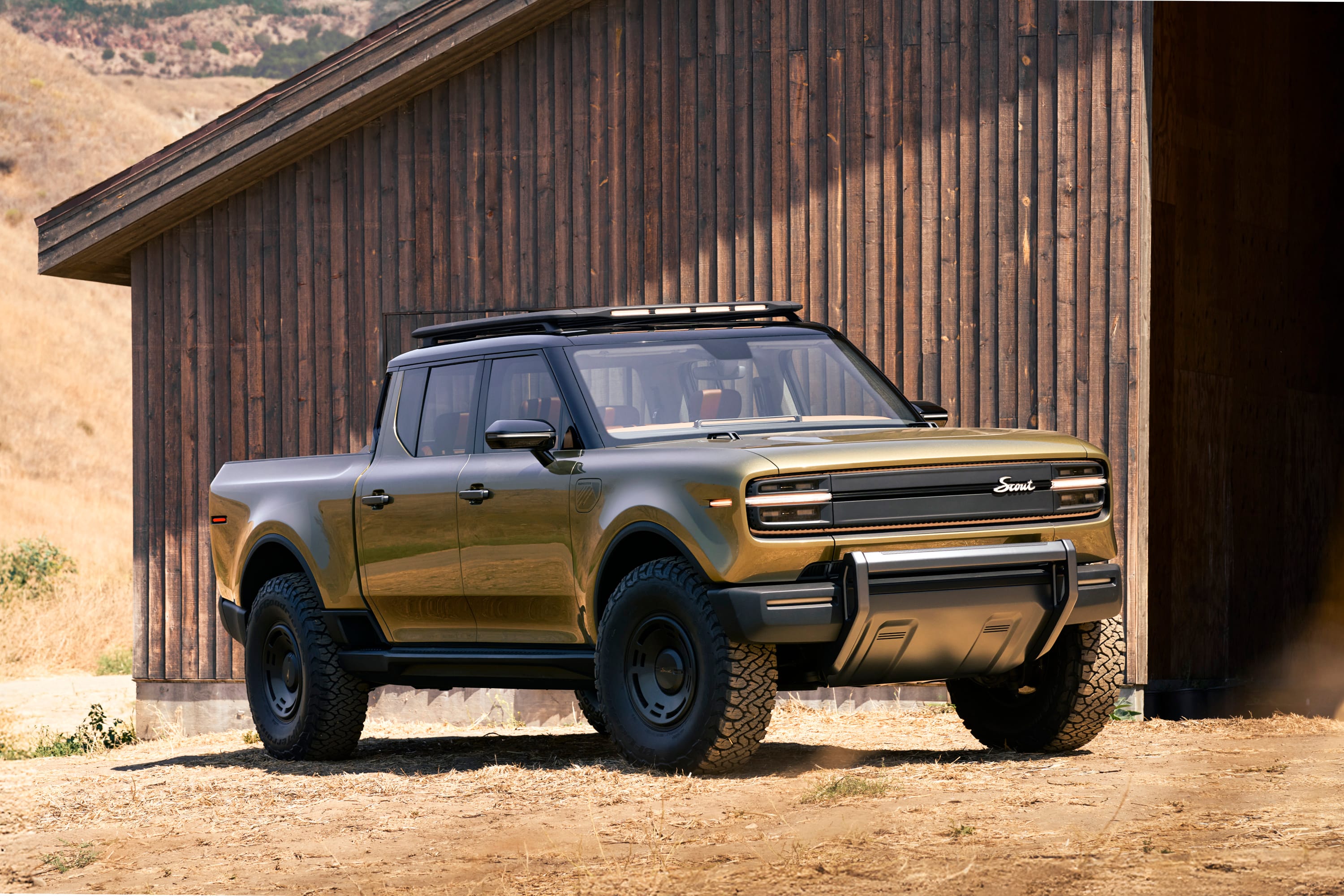
A Closer Look
1
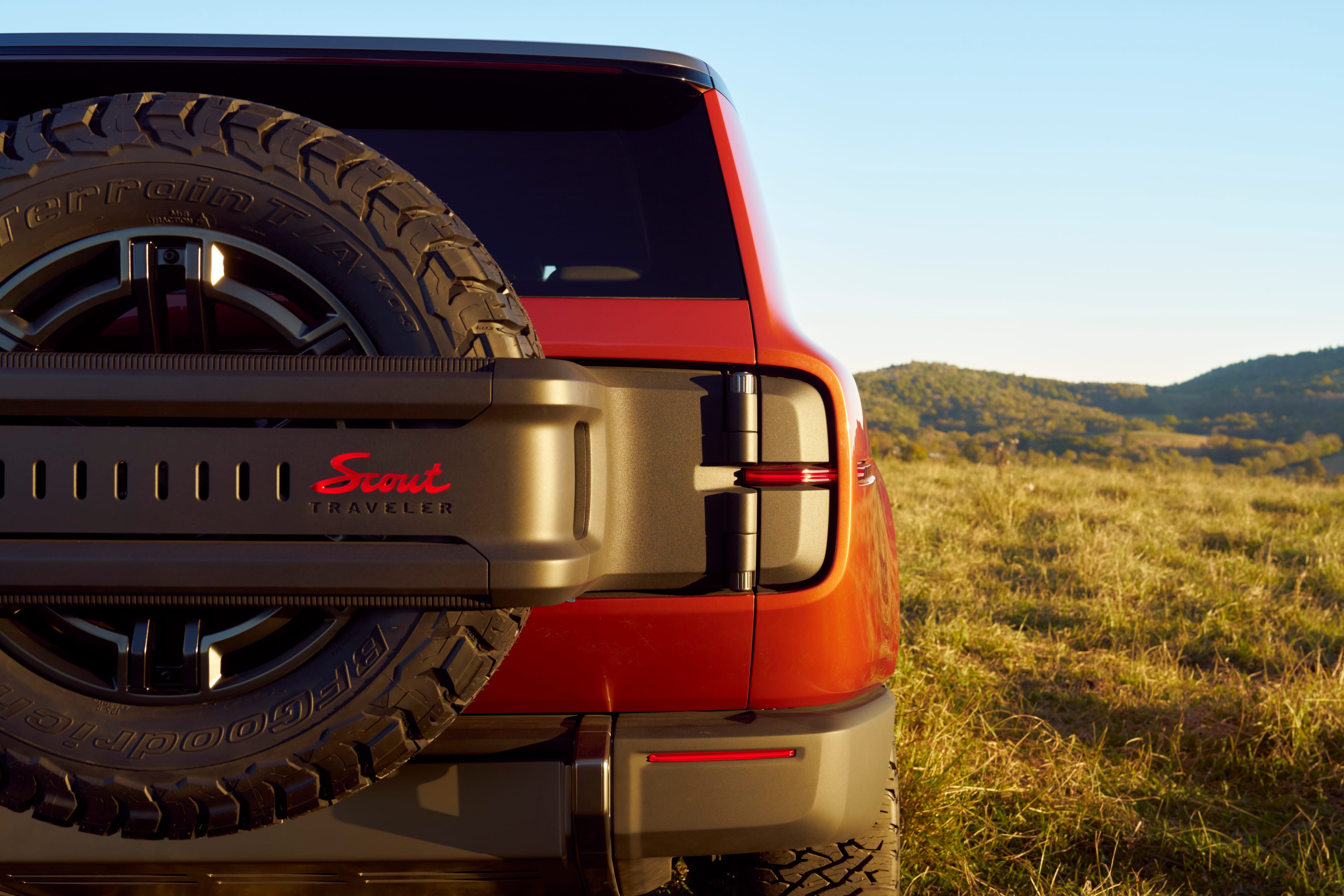
An homage to the Scout brand’s first era, the new badging incorporates the same logo as the original vehicles.
2
With usefulness at its core, the Traveler concept’s split tailgate allows for easy loading and multipurpose functionality.
3
A nod to the Scout vehicles of the ‘70s, the side rear windows sweep upward on both vehicles.
4
Scout vehicles still focus on offering mechanical features—like door handles, switches, knobs and dials.
5
Both concept vehicles feature a front trunk and a sliding floor panel for seating on the front bumper.
6
Both the Terra and Traveler concepts offer an optional physical compass in the cab.
7
The Traveler concept’s rear-cargo area is outfitted with versatile storage and mounting solutions.
8
A hallmark of the early Scout trucks was a small front overhang on the front end, a feature incorporated into the new vehicles.
9
The new vehicles can be equipped with an optional front bench seat.
10
Both vehicles use a battery-electric drivetrain that can be optionally equipped with the Harvester™ energy system, a built-in gas generator targeting more than 500 miles of total range.
11
Designed for off-roading, these concept vehicles showcase features planned to be available as options, including up to 12 inches of ground clearance, nearly three feet of water fording ability, and 35-inch tires.
12
Built on a ladder-frame chassis, new Scout vehicles are expected to offer mechanical locking differentials and a front swaybar disconnect, both available as options.
Disclaimer: The vehicles featured are concept models created to explore design and innovation. Any future production vehicles may differ in appearance, features, and availability.
Read more like this