
Treasure Hunts, Flash Floods + Desert Rats
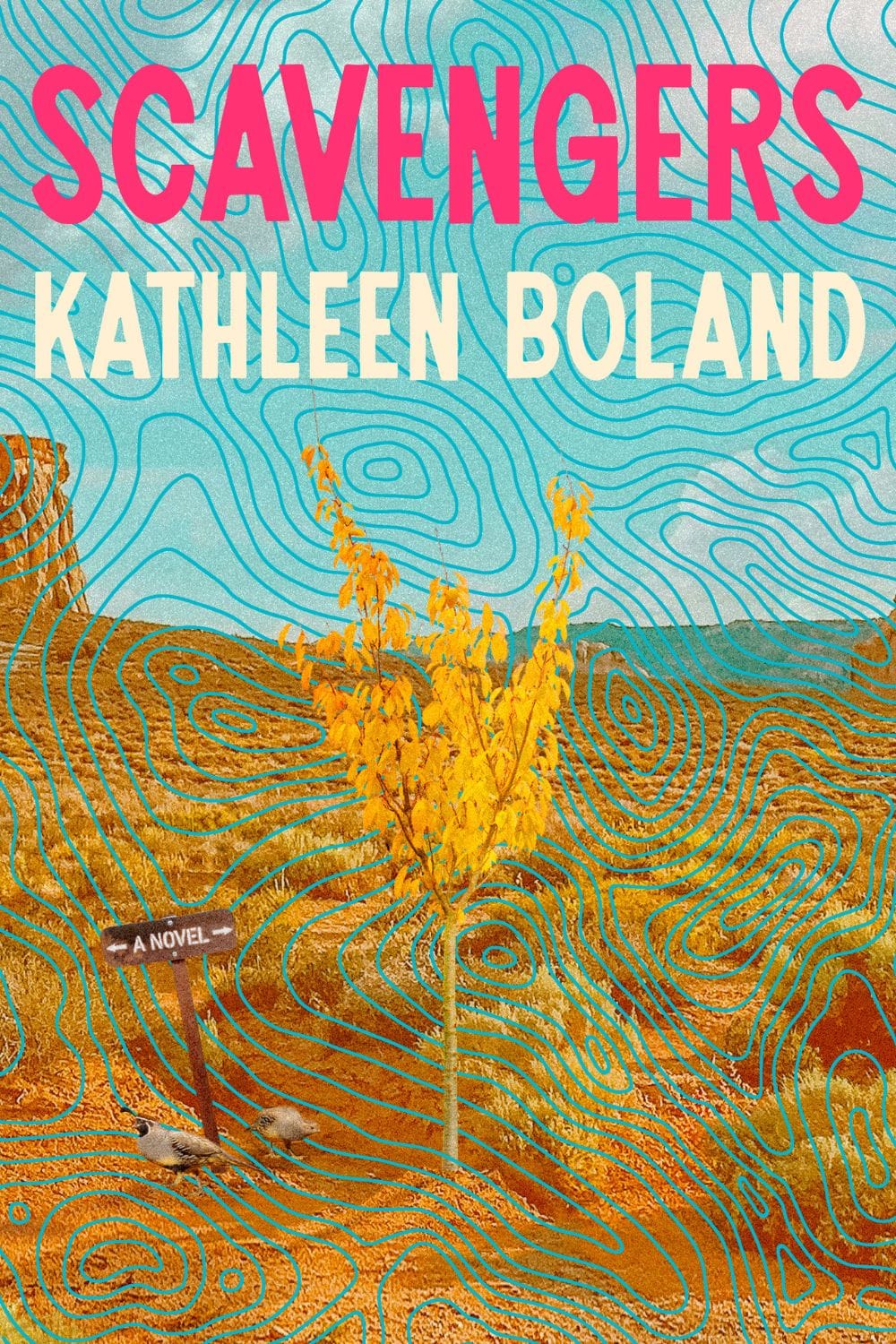
A new novel gets gritty in Utah.
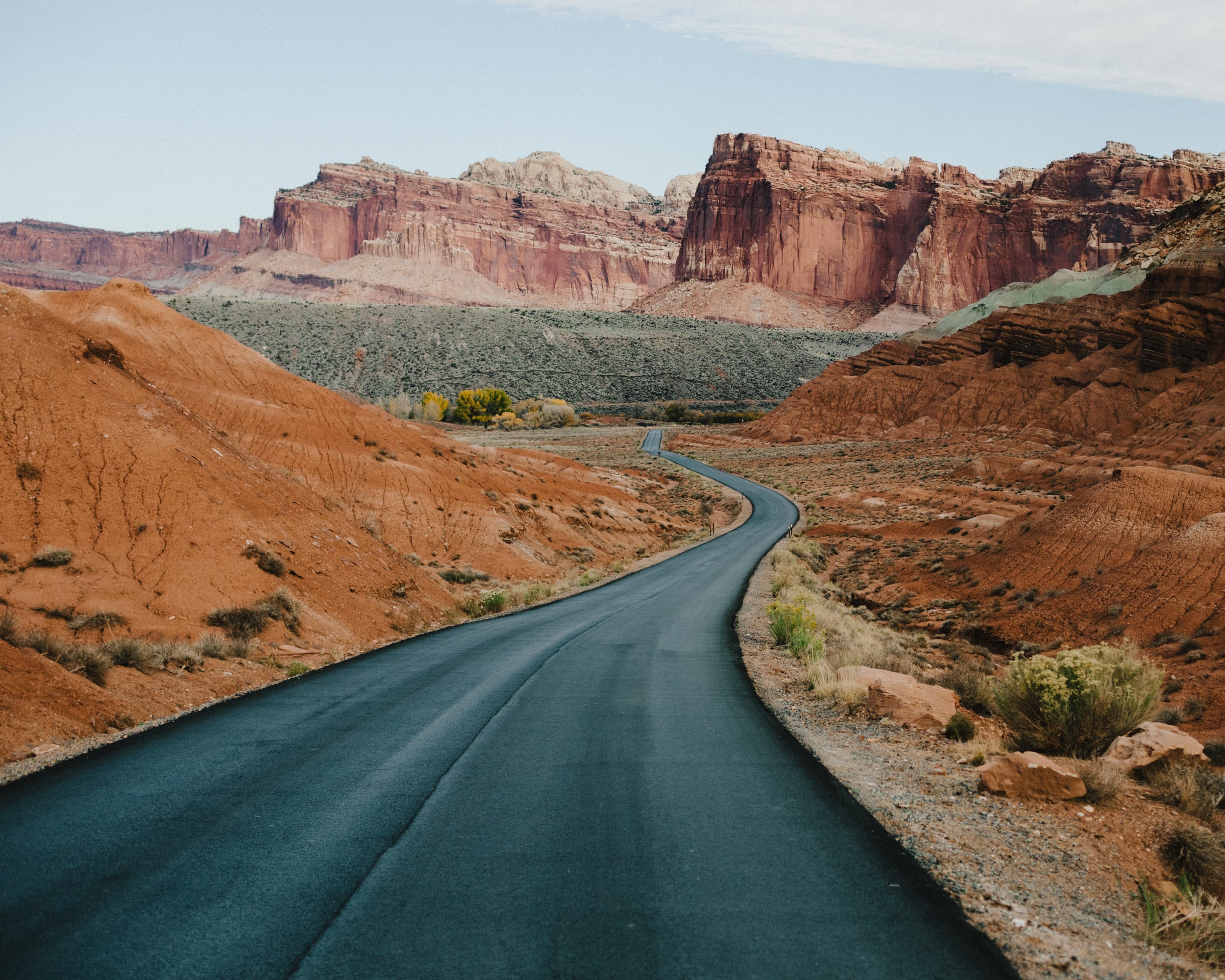
Scavengers, writer Kathleen Boland’s first novel, takes place in a couple of worlds and, you could almost say, different eras of American storytelling. Bea and Christy, a daughter and mother perennially and maddeningly at odds, roam from Montreal to Connecticut to finance-bro New York—but the story’s real action takes place in Southern Utah’s stunning deserts. The novel plumbs depths of Millennial angst (Bea) and Boomer confusion (Christy) that will be familiar to readers of recent fiction.
But Boland’s book also has a rougher, wilder personality, drawing on old-fashioned ripping adventure yarns and the rogue literature of the Southwest, with throwback vibes of ornery outsiders immersed in desert dreams and schemes.
It’s a tale of fraught emotions and frayed relationships, but also thriller-ish intrigue, small-town politics, too many beers and awkward hot-springs nights. Boland draws plot inspiration from the legendary/notorious Forrest Fenn treasure hunt, a real-life saga that ended in 2024, which adds mystery and homebrewed treasure maps.
It all amounts to an entertaining and affecting time on the page, and a mental journey to some of the most beautiful, dangerous and controversial landscapes in the nation. Wildsam met up with Kathleen in her home base of Portland—in fact, the interview took place in a coffee shop where she wrote some of Scavengers. From that table, the conversation headed Southwest.
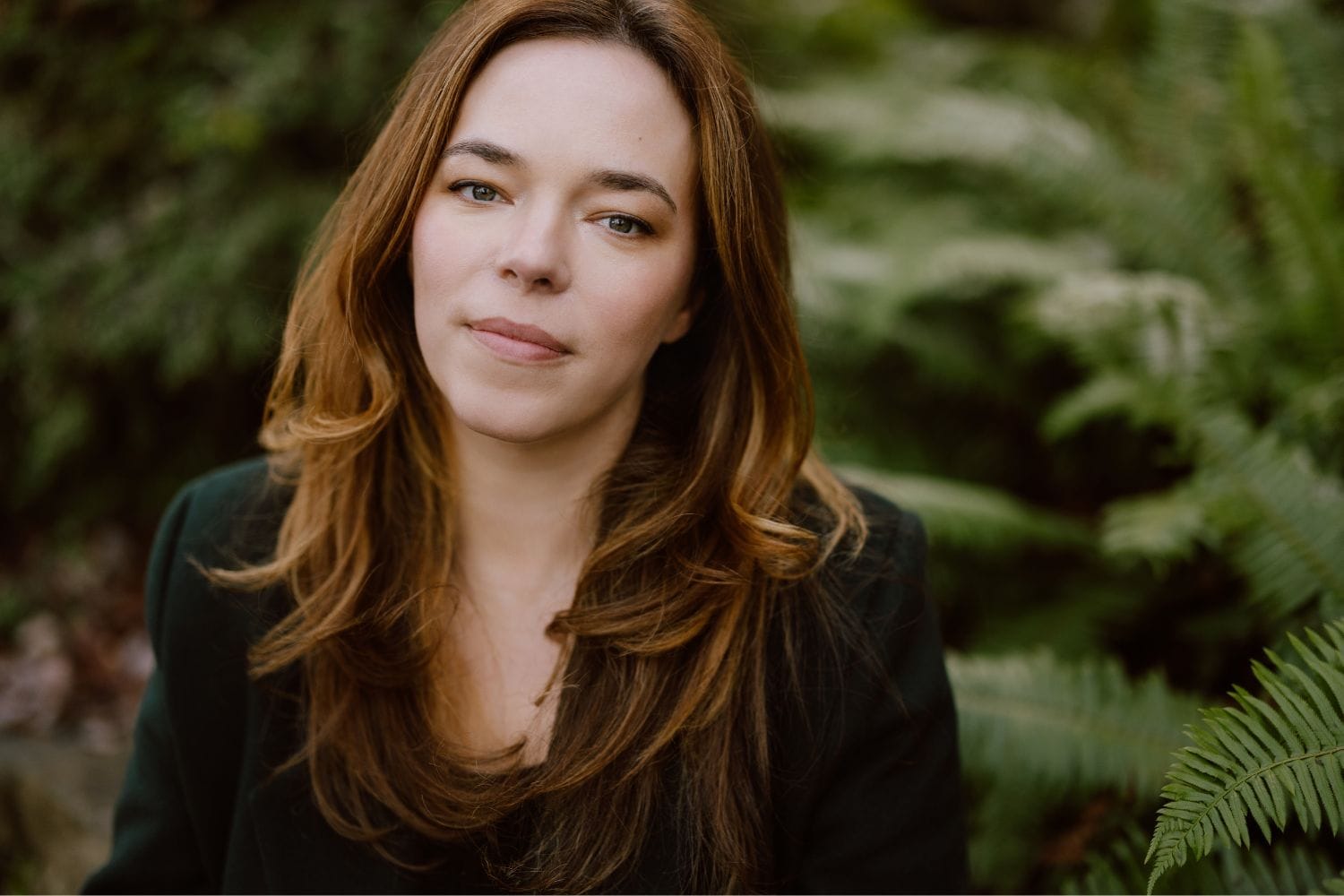
Wildsam: We wanted to start with your novel’s setting—the desert landscape of southern Utah. What drew you to write about that region?
Kathleen Boland: Such a wild and wonderful place. I’ve said it, and I’ll keep saying it: Florida gets a lot of attention for being the weirdest state. But Utah is a close number two, and a very under-examined number two.
My parents have lived in the Salt Lake area for 16 years now. Before that, they were in suburban Connecticut, but my dad’s a huge ski bum and they’re both huge outdoors people, so they moved out West. At the same time, I went to college at Colorado and started visiting them.
I had what I now know to be the stereotypical East Coaster reaction to living in the West: Mountains! Oh my God! Can you believe it’s so beautiful? I went out into the mountains any time I could. I started going on solo backpacking trips in Southern Utah and they were, for a lack of a better word, pretty spiritual.
I was doing all the cliché stuff—reading Edward Abbey’s Desert Solitaire while I was in the desert. Reading a lot of Terry Tempest Williams. And, of course, thinking I was the first person ever to do such a thing.
Long may it continue! There’s a good reason that’s a classic path for a young seeker. And those books should always be read.
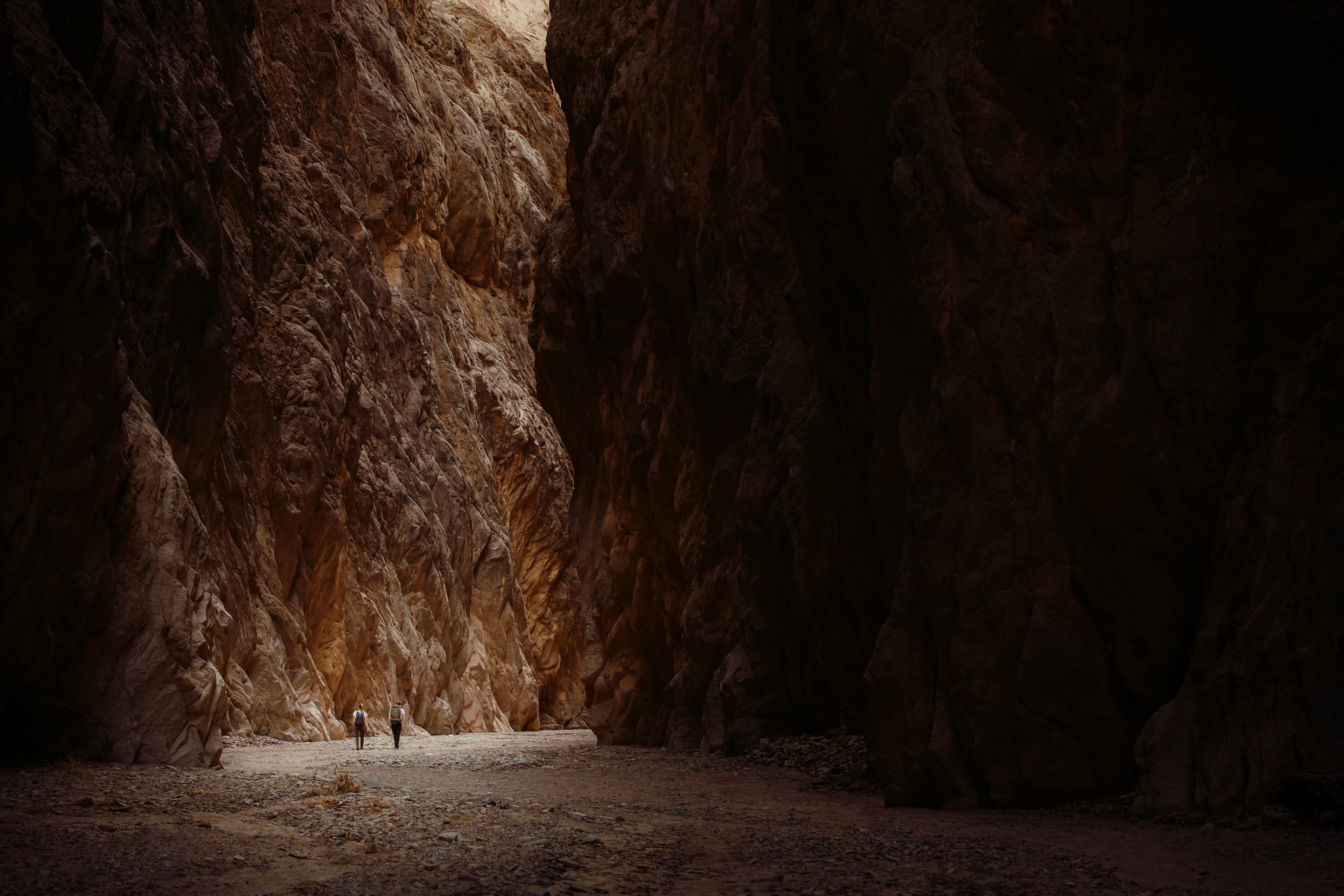
KB: Speaking of young and dumb: The really formative thing was, I was in Grand Staircase-Escalante, and I went off Hole in the Rock, found a wash and backpacked out. I set up camp nexet to what I thought was a tiny stream. Then I took off to find a rock cathedral—and got totally and completely lost. And I was lost overnight, with storms in the area. It was terrifying.
The next morning, by pure luck, I crossed paths with a rock climber, a local. He was like, what in the hell are you doing? My God. He brought me back to my camp, and it was, like, less than half a mile away. It felt like nothing. He insisted on walking me back to my car and basically said, you need to go home.
That was deeply humbling, and also led to me being totally obsessed with the area.
The novel deals with the complicated and often very heated politics of land-use and land policy in Utah. That’s such a huge part of life in the West today, but it’s hard to portray in fiction—it can get really technical and specific. You do a great job of portraying the bigger cultural and emotional dynamics. But why wade into all that?
KB: It would be inauthentic of me to write about Southern Utah without talking about land-use. If you go hang out in these tiny desert towns, that’s what people are talking about. They’re thinking about it and talking about it all the time. Mike Lee, the senator from Utah, is at the forefront of the debate about redefining Grand Staircase-Escalante.
What does wilderness actually mean? What does it look like? If people are managing wilderness, is it really wilderness? These are questions people are asking and discussing in Southern Utah all the time.
Another major element at work in the novel is the Forest Fenn treasure hunt, a modern pop-culture legend of sorts. How did that get into the mix?
KB: I was doing all these trips out to Southern Utah—getting lost, what have you—at the same time I was really starting to seriously write fiction. I got into a graduate program at Louisiana State University, and so I was living in Baton Rouge, was still writing about Utah deserts in the swamps. I was trying to figure it out. I had my main characters—who at times were going to be best friends, at times sisters, but ultimately it worked out that I could only get to the dynamics I wanted with a mother/daughter relationship. And I had the desert.
But I didn’t know how to bring everything together. And then I just sort of stumbled on the Wikipedia page for Forest Fenn. Quick recap: This was a guy in New Mexico, a wealthy dude, getting older, and he decided to put his money into gold bars and bury it all somewhere in the Mountain West. He wrote a poem with clues. And it led to a real-life treasure hunt. Five people died looking for it, which is insane.
I read that Wikipedia page, I did a quick Google search, and I knew this was it. This is what I need. And I didn’t do any more research. I didn’t want to get too deep into the real-life story, the real details. There’s a Netflix documentary and tons of articles about it—but I didn’t need all that. I wanted to be inspired, but not make it an homage.
You just got back from your book tour, and you went to Salt Lake and you went to Southern Utah. What was it like to talk to audiences there about this book?
KB: I met with some classes at Southern Utah University, and then I did a reading in town in Cedar City. I was very excited and very terrified to go to that event because it's very easy to go to Manhattan and talk about getting lost in the desert, and everyone thinks you're really rugged and starry eyed, and then you go to the desert and they all are like that guy who found me when I was lost. Like, you're an idiot. You should be dead.
Like What You See?
Get the latest stories, plus details (and discounts!) on Wildsam field guides, sent right to your inbox.