
Route 66 Research From the Road
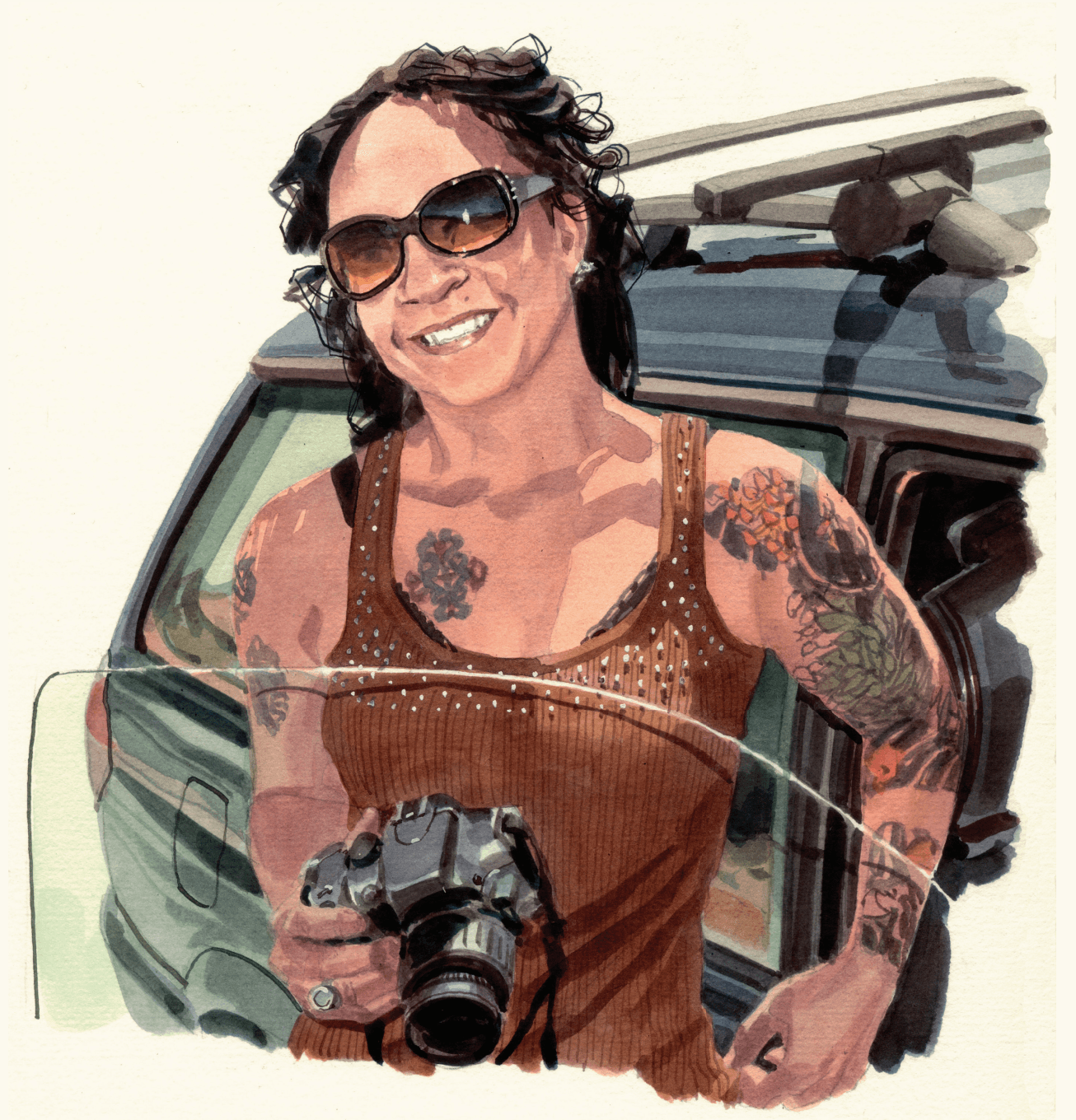
Candacy Taylor writes and makes films about life on the byways.
For author and cultural documentarian Candacy Taylor, there is no greater thrill—and no greater inspiration—than traveling for months on end. She only takes the backroads, never the highway. It’s this type of traveling, solo roving and researching, that led to Taylor’s acclaimed book, out in paperback this year: Overground Railroad: The Green Book and the Roots of Black Travel in America.
The timing for a fresh moment for the book, praised by everyone from Oprah to National Geographic when it first came out in 2020, is fitting, given Route 66’s centennial in 2026. The nostalgia around the route—which, for all its resonance in American road lore, also traversed many “sundown towns,” where Black travelers were not allowed to stay or enter after dark— originally inspired Taylor’s research into The Green Book. That handbook, published annually from 1936 to 1967, was born from the mind of Harlem-born postal worker Victor Hugo Green. It became a lifeline for Black travelers, recommending safer places to eat, fuel up and stay on the road.
“I was doing research for a Route 66 travel guidebook,” Taylor recalls. “The Autry Museum of the American West was having a show on the route. I went in there, and they had a copy ofThe Green Book tucked under a glass in a corner. I never knew such a thing existed.”
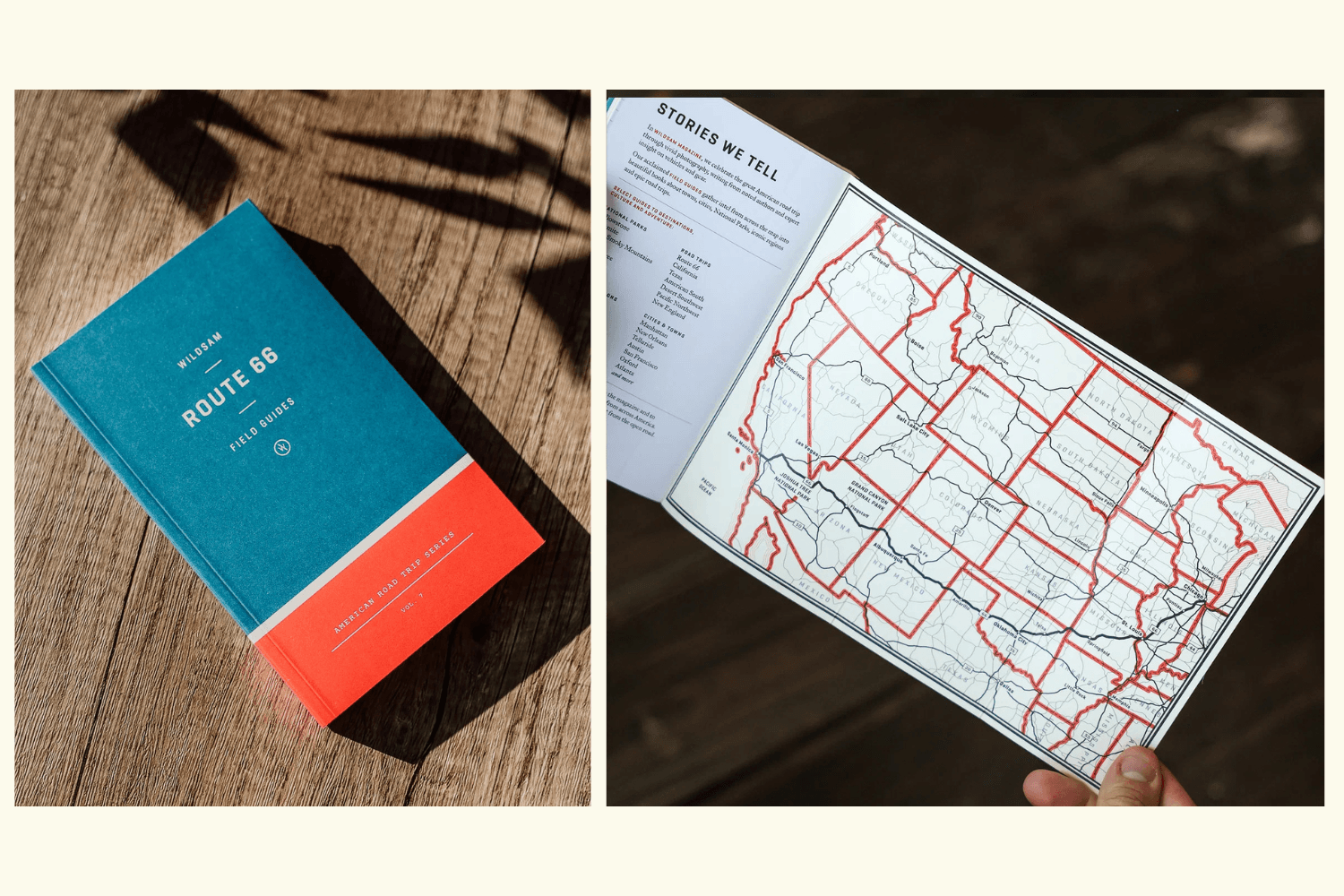
A Field Guide to Route 66
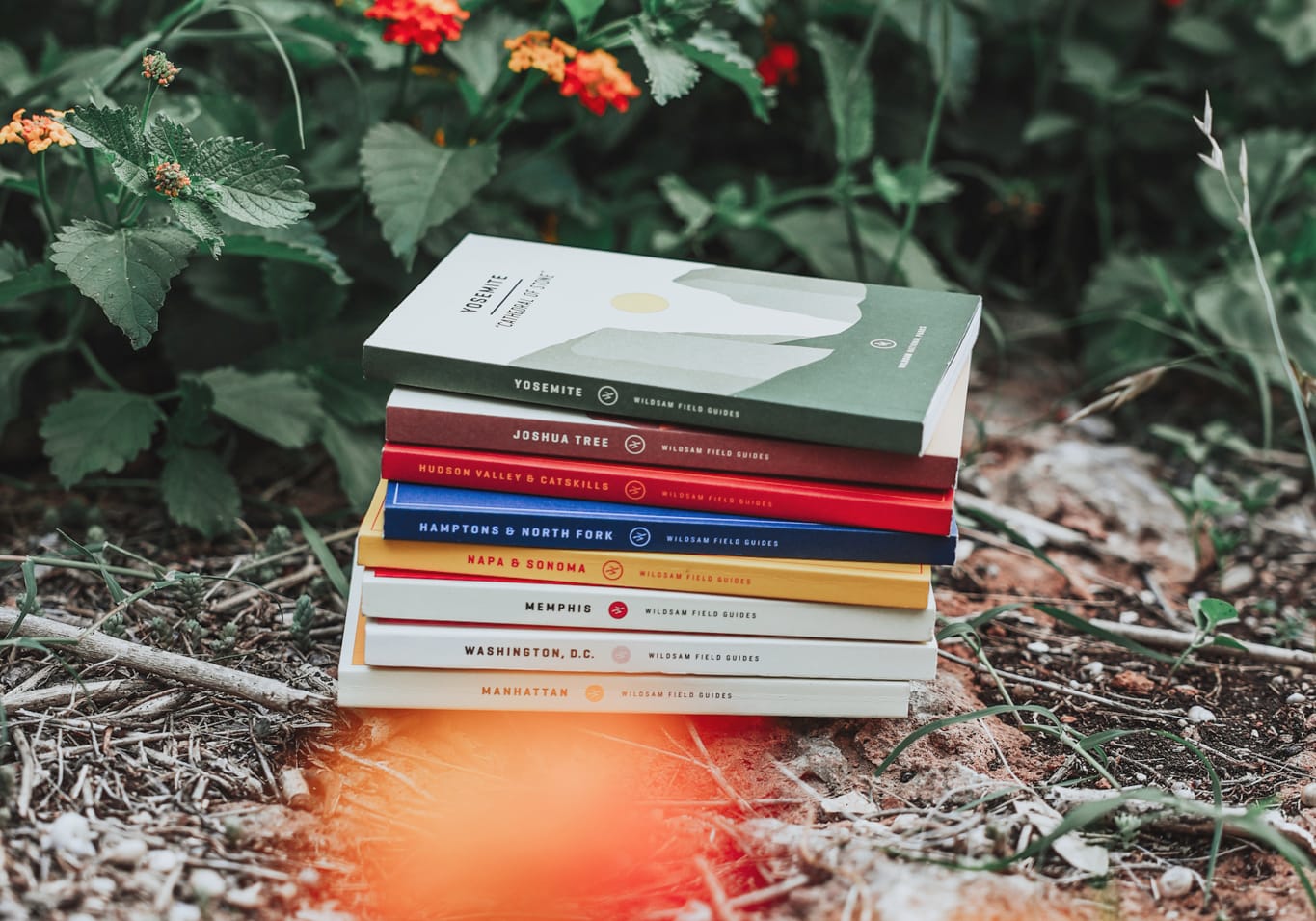
Inside Wildsam Route 66, you'll find tales about iconic route diners and historic service stations; detailed road trip itineraries and profiles of towns across 2,400 miles and eight states, from Chicago to Santa Monica; interviews with neon preservationists, curio shop owners and muffler man experts; delightful miscellany from the archives, recommendations for neon sign stops to natural wonders and offbeat intel about an iconic American highway.
Taylor called her parents, emotional over this subject that had landed in her lap. She asked if they knew about the handbook. Her mother knew; her stepfather didn’t. The book that had conveniently collided with her own Route 66 research felt predestined, like a bolt of lightning to her path.
“I looked up at the sky, and I was like … this project is what I was supposed to do with my life,” Taylor says. The discovery, according to her, changed her career.
After almost a decade of on-the-road Green Book research, Overground paved the way for a collaboration with the Smithsonian Institution Traveling Exhibit Service. Opening that same year at the National Civil Rights Museum in Memphis, Tennessee, Taylor curated a traveling exhibition entitled The Negro Motorist Green Book, based upon 7,000 catalogued sites Taylor researched across 48 states.
But even before Overground, Taylor found inspiration along the American road for other projects, which often bloomed from a thought or a passing curiosity and turned into a full-on quest. For a project titled Counter Culture: The American Coffee Shop Waitress, she traveled more than 26,000 miles, photographing waitresses in diners across America and talking to them, learning the more intimate parts of their life stories. There was also By The Horns, a project exploring the lives and emotions of female bullfighters, and American Roots, a project on culture and identity as experienced in hair salons. (Taylor’s projects tend to take more than one media form—books, films, photos, lectures. All can be explored starting on her website.)
“I LOOKED UP AT THE SKY, AND I WAS LIKE, THIS PROJECT IS WHAT I WAS SUPPOSED TO DO WITH MY LIFE.”
Besides following threads into often overlooked subcultures, these projects have consistently focused on women and their lives. Taylor says she recently felt her past work poking at her from a distance: How were the women she’d met and talked to over the years faring now? What had time changed? Last summer, she focused on revisiting those past projects with a current lens. She’s not sure yet how she’ll expand them. She’s planned research stops between speaking engagements to commemorate this year’s paperback release of Overground to figure it out.
It’s a new approach for Taylor, she admits, as she is typically more methodical about her roving.
“I’ve been on the road for about seven months now, and I’ve got at least another eight months of things I know I need to do in places. I don’t know if it’ll go beyond that, but it’s kind of a wait and see,” she says.
Taylor no longer has a homebase. Most of her belongings are in storage. When she isn’t on the road, she stays with friends and family. Living and working this way can be challenging, as it means she goes from hotel to hotel. Always being on the go, headed somewhere.
To root herself on those long months and years on the road—when she feels herself hungering for comfort—she depends on ritual to keep tethered to something. Even if that something is only herself. She’s up at 4 a.m. to relish silence and the changing light of sunrise as she writes. Then, she’s off at around 8:30 a.m, driving all day—another day taking the backroads, never the highway. Another day to see and feel all there is to be known on the road that has opened up for her.