

Oregon Outback
Stargazing paradise: A remote stretch of Oregon is our biggest dark-sky area.
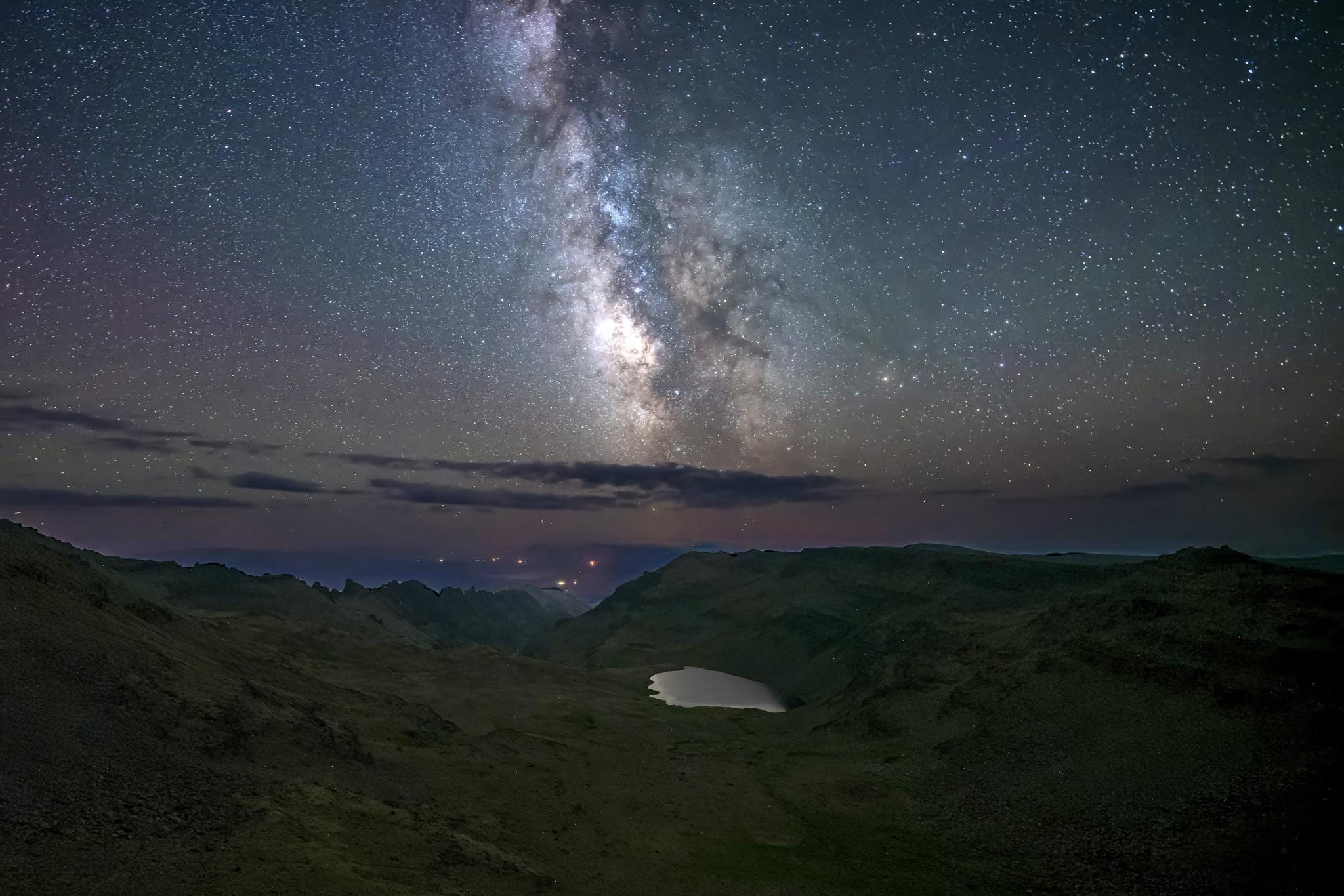
At the top of a mountain called Drake Peak, the intrepid hiker will find a 1940s fire lookout: a lonely outpost, more than 8,000 feet above sea level. The view is vast, but the setting and amenities could be called austere. That is, until night falls. Then, from the pristine black skies of Eastern Oregon’s high desert, the Milky Way and constellations shine like precious stones, revealing a kind of wild luxury that is literally almost impossible to find.
This mountain top is just one of countless life’s-goal stargazing spots in an area called the Oregon Outback International Dark Sky Sanctuary, about 2.5 million acres of remote Northwest desert where artificial light is minimal and the night-time stars are, as a result, maximal. The Sanctuary, certified in 2024 by the advocacy and standards-setting organization DarkSky International, is the largest single recognized dark-sky region in the world—and its current boundaries are just the first phase of an envisioned 11-million-acre kingdom of night.
The designation is seen as a potential travel boon to far-flung Lake County, an 8,000-square-mile swathe of basin and range landscape home to right around 8,000 Oregonians. With “astro-tourism” growing in popularity (and 99 percent of Americans living under light-polluted skies), projects like the Sanctuary seek to tie starry darkness to environmental and economic benefits.
What exactly does the “sanctuary” brand mean? How did it come about? We talked to the person who coined the idea: Dawn Nilson, a Portland-based astronomy enthusiast and dark-sky advocate.
What is a sanctuary designation?
The potential answers to this are, well, complicated, because the OOIDS is not a singular regulatory entity like, say, a national park. Rather, it's an area where a whole host of different official agencies have agreed to cooperate on light-pollution and astro-tourism issues.
Wildsam: What led you to the idea for the Outback sanctuary?
Dawn Nilson: I'm a natural resources planner and a longtime amateur astronomer, and I’ve been doing dark-sky advocacy since 2009. And as a strategic planner, I had in mind something really big, something to get attention for the issue.
For a dark-sky “sanctuary,” the area doesn’t have to be as dark as it does for a dark-sky “reserve,” and you don’t designate any one core area within the boundary, which is the case with a reserve. In the Outback, the whole darn thing is super-dark.
So as soon as I had the idea in my head, I wrote it up in a white paper, and I called DarkSky International.
What are some of the characteristics that mark this area as exceptional in this way?
DN: I always saw that big, black blob on the sky maps. And when you add it up, it is part of the largest contiguous dark-sky zone in the Lower 48.
What does “dark sky” mean, exactly?
DN: Usually when people call something a dark sky, they mean dark enough to see at least some kind of structure in the Milky Way. There are a couple of statistical scales that measure dark sky quality. One of them is the Bortle Scale, which goes from 1 to 9—with 9 being, let’s say, Los Angeles. Portland is like a 6. Pristine is 1. It’s harder and harder and harder to find. But the Outback is 1 and 2.
Managing a Dark Sky Sanctuary
The key to the sanctuary is the Lighting Management Plan adopted by agencies and governments across the area in question. As a 2021 lighting inventory of the region prepared by Nilson says: "An easy rule of thumb is to light only where needed, when needed, no brighter than necessary, avoid or minimize blue light emissions, and be fully shielded."
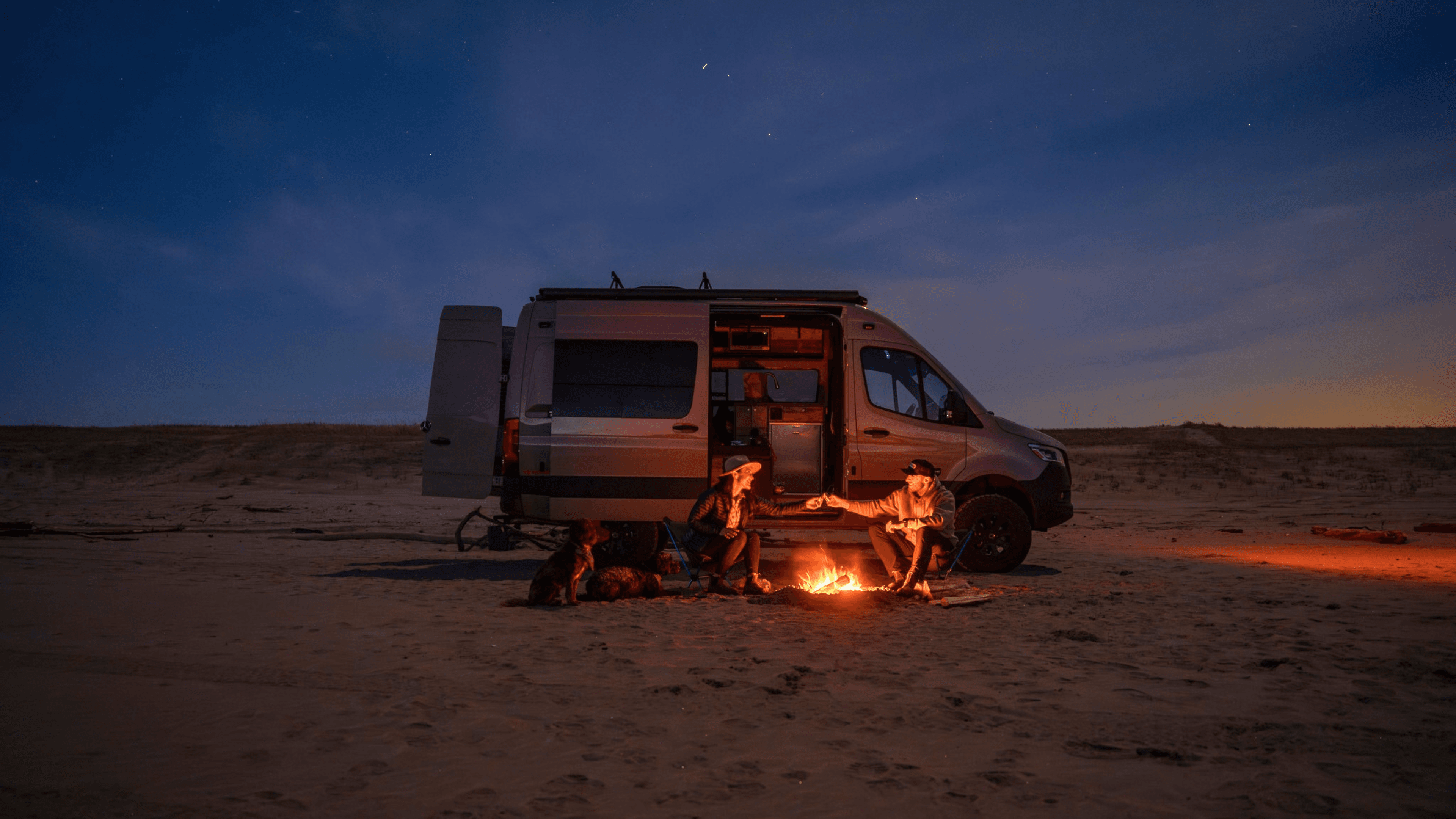
Travelers to dark-sky areas can help by being mindful of their own light use, particularly at campgrounds and parking areas.
Now that the sanctuary is designated—with more acreage under consideration—how do you feel about the project?
DN: I'm happy, as an amateur astronomer, that there's a sanctuary in our state that is going to be a place that you can go, even with all the light pollution elsewhere. I'm happy for all the species that depend on the night—which is the bulk of wildlife. And I’m pleased as punch that people who live in that part of the state have a real source of community pride.
This project took several years of work and collaboration with more than a dozen public agencies. What motivated you?
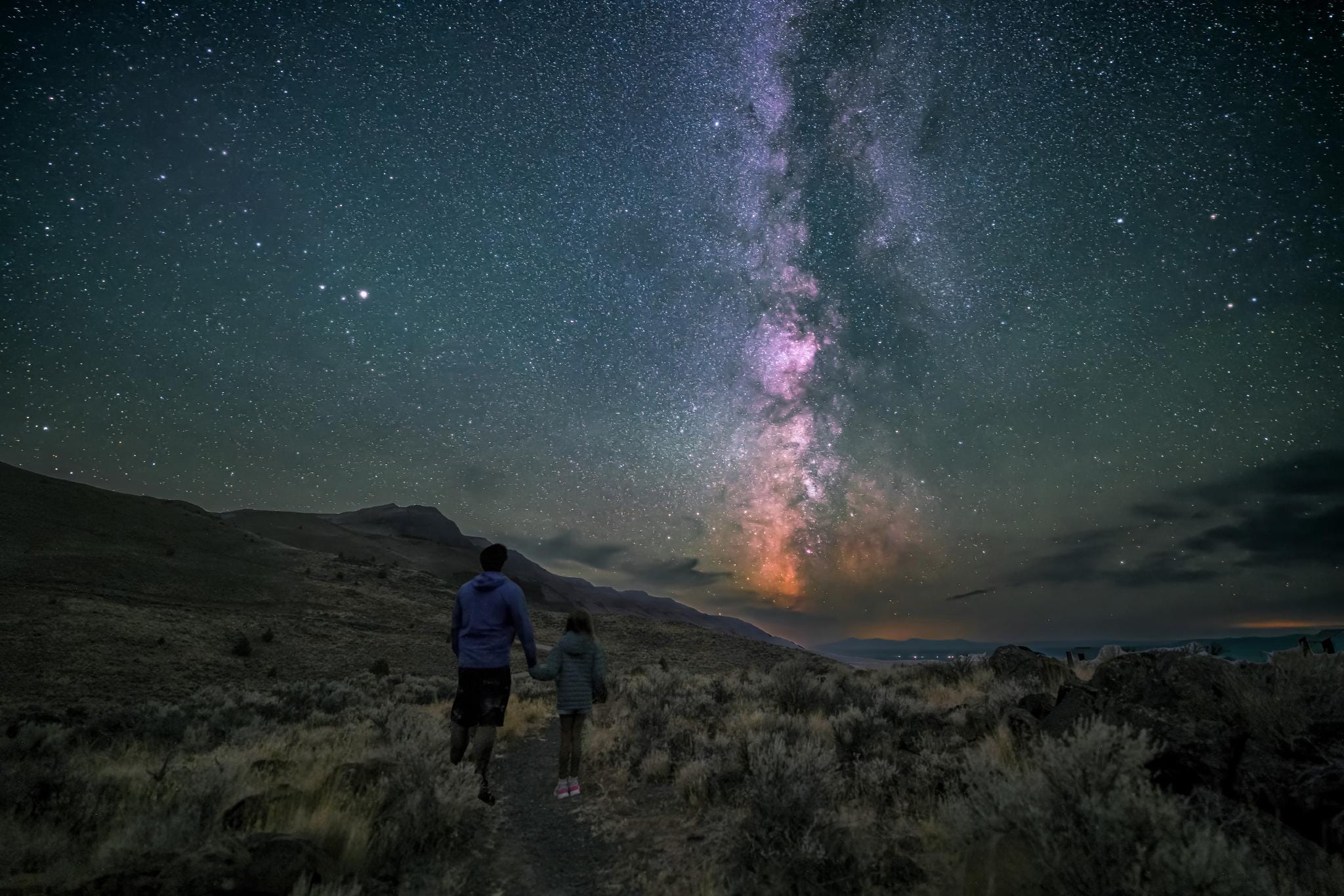
DN: Every time I’ve been with someone who looks up at a truly dark night sky for the first time, they’ve experienced awe. It’s universal. And I want to help make that happen for the next generation. The stars have been with us throughout our history, throughout all our migrations as humans. But now we’re losing them.
And looking up at those stars when you can really see them, and see the Milky Way—that’s like having a string from the sky come down through your body, into the earth.
This is an area where you can experience the darkest of the dark. You’re a mile high and looking up through dry air. And you see those pinpoint lights on a black-velvet sky. It provides for a primal part of us, for a primal notion of being human. You talk about the problems of pollution—well, this is the easiest kind of pollution to solve. It saves energy, it improves human wellness, it helps wildlife, it encourages tourism.
I used to be afraid of the dark. But when I started observing the stars and caring about the night sky, it became such a friend.