


See the Stars in Central Oregon
Presented by Visit Central Oregon
The high-desert region’s dark skies reveal the cosmos.
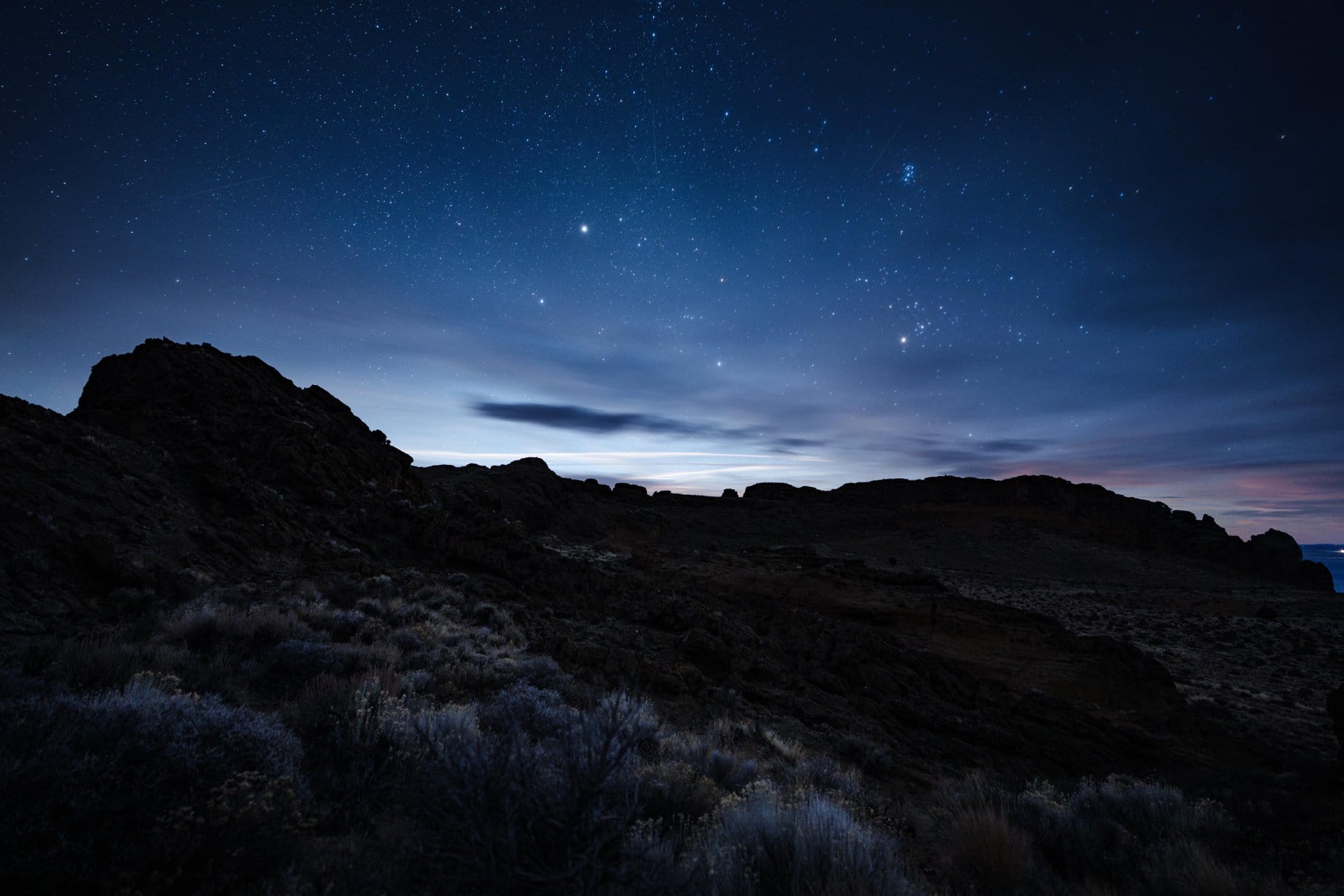
Around the world, the night skies are brightening at an alarming rate. Experts say that nearly everyone in the United States lives under light-polluted skies, and around 80 percent of North Americans can’t see our home galaxy, the Milky Way. But in Central Oregon, tucked away behind a mountain range from large coastal cities, stargazing opportunities abound.
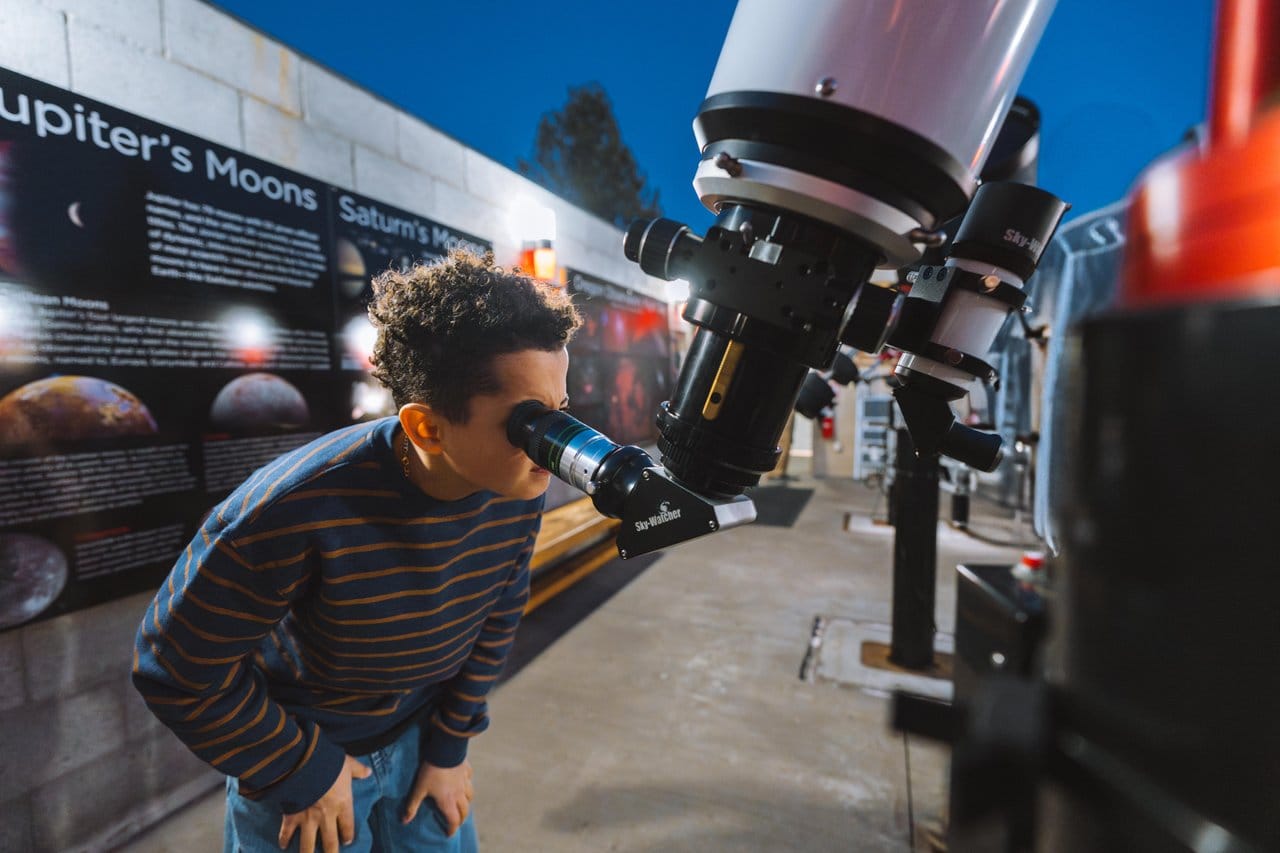
Mostly clear skies year-round, higher elevations, and smaller, spread-out communities make Central Oregon a dark-sky oasis from which to view the cosmos. The area is a stargazer’s paradise, from state-of-the-art observatories atop breweries to rustic, lava rock-lined lookouts, plus the largest collection of telescopes for public use in the United States.
Bill Kowalik, a board member with the nonprofit Dark Sky Oregon, says inky nights are a resource worth protecting for a host of reasons—including ensuring that people continue to be able to experience a “deep sense of awe” when gazing out into endless space. Here are some of the best places to watch for meteors, study the planets, or—if you’re lucky—catch a glimpse of the Northern Lights.
Antelope
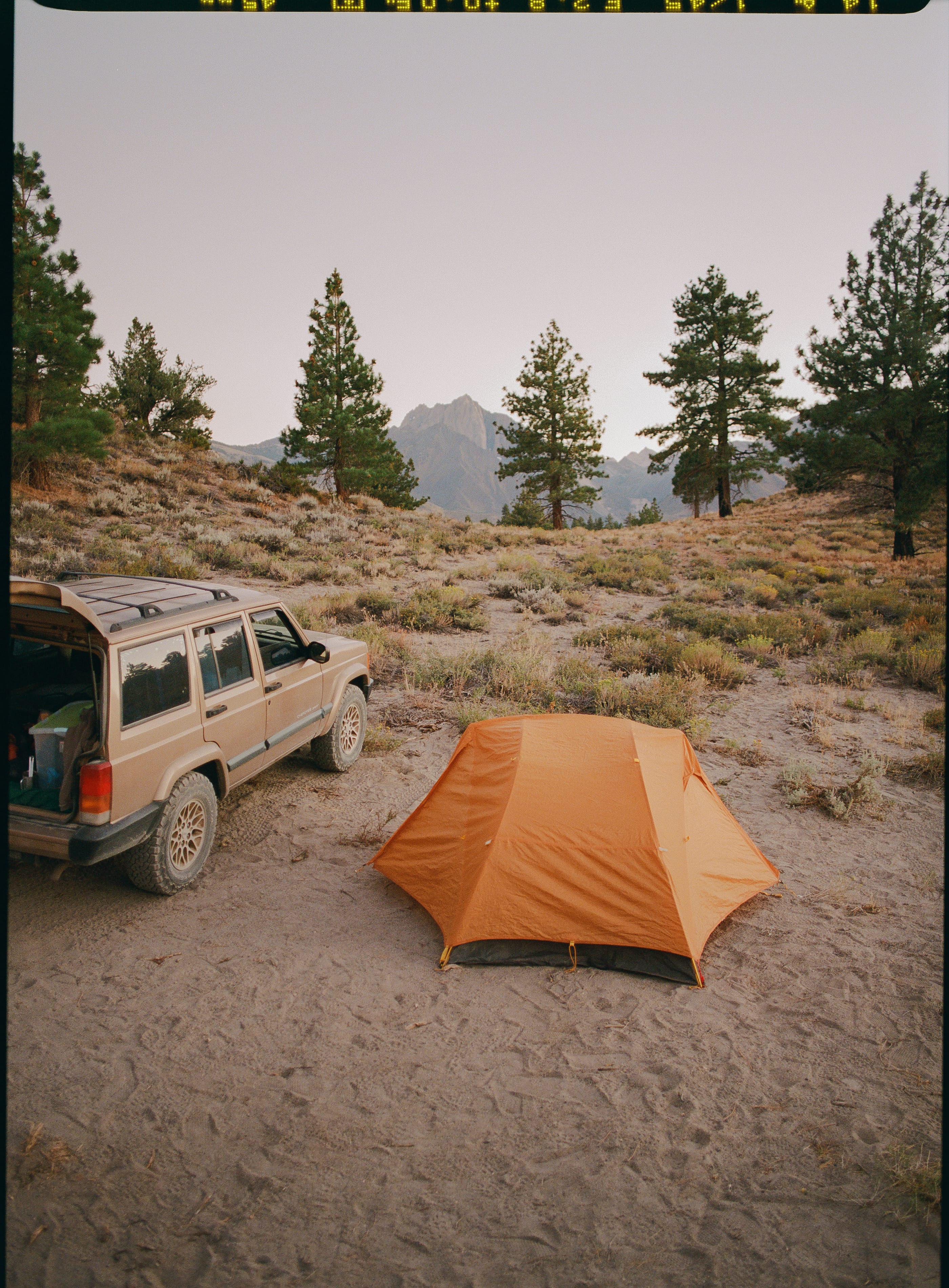
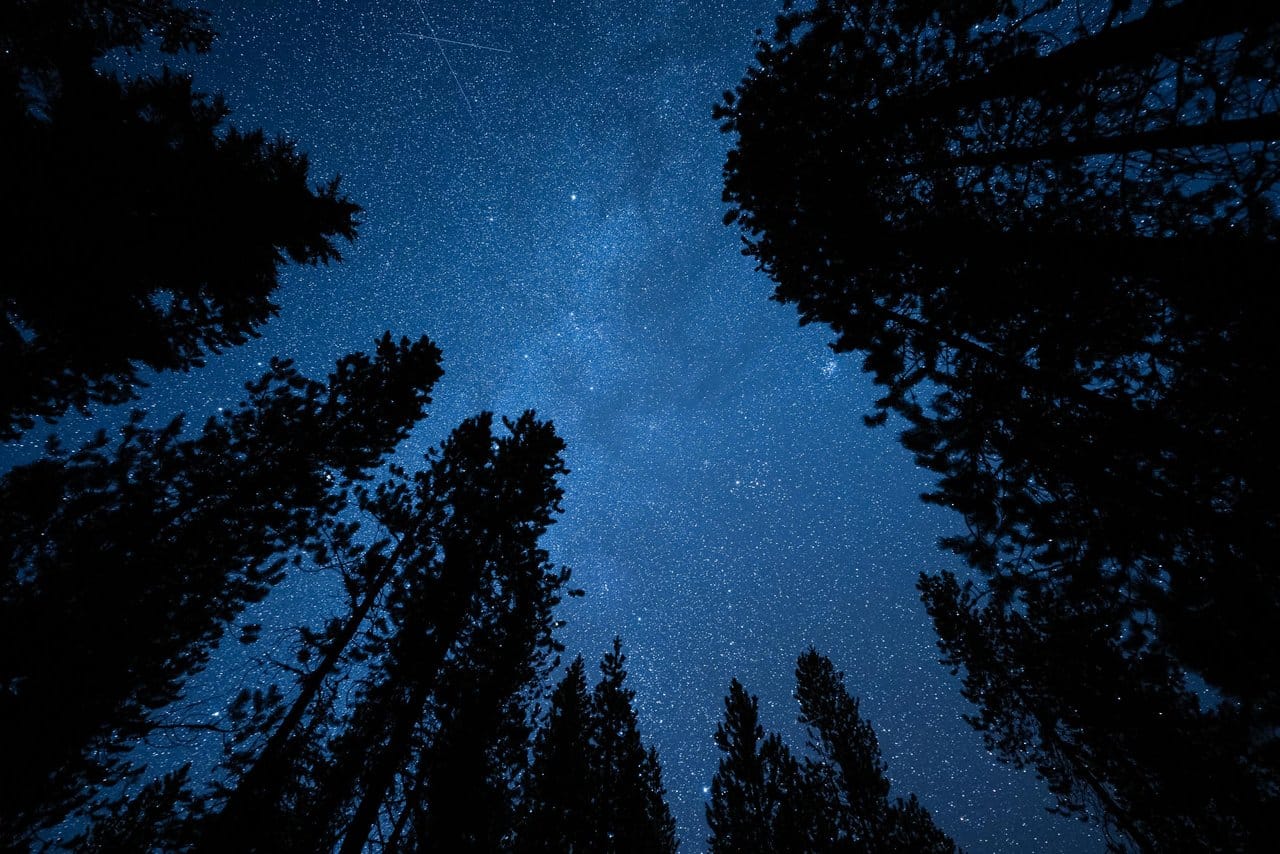
This tiny town, population 37 at the last census count, was the first in the state to earn international designation as a “dark-sky community.” On a clear evening, town residents boast, the Milky Way is visible from Main Street. A recently revitalized RV park, Antelope Basecamp, offers camping opportunities and rustic A-frame cabin rentals. The property also recently became an official Dark Sky Approved Lodging Experience.
Prineville Reservoir State Park
The 3,000-acre Prineville Reservoir State Park offers day-use picnic areas and primitive campgrounds along its 43 miles of shoreline. At night, the stars above stun, earning the area a rare designation as a certified International Dark Sky Park. Stay the night and check out the park’s night sky programs, or, if you’re coming just for the galactic display, be sure to get a free stargazing permit for after-hours viewing.
Dee Wright Observatory
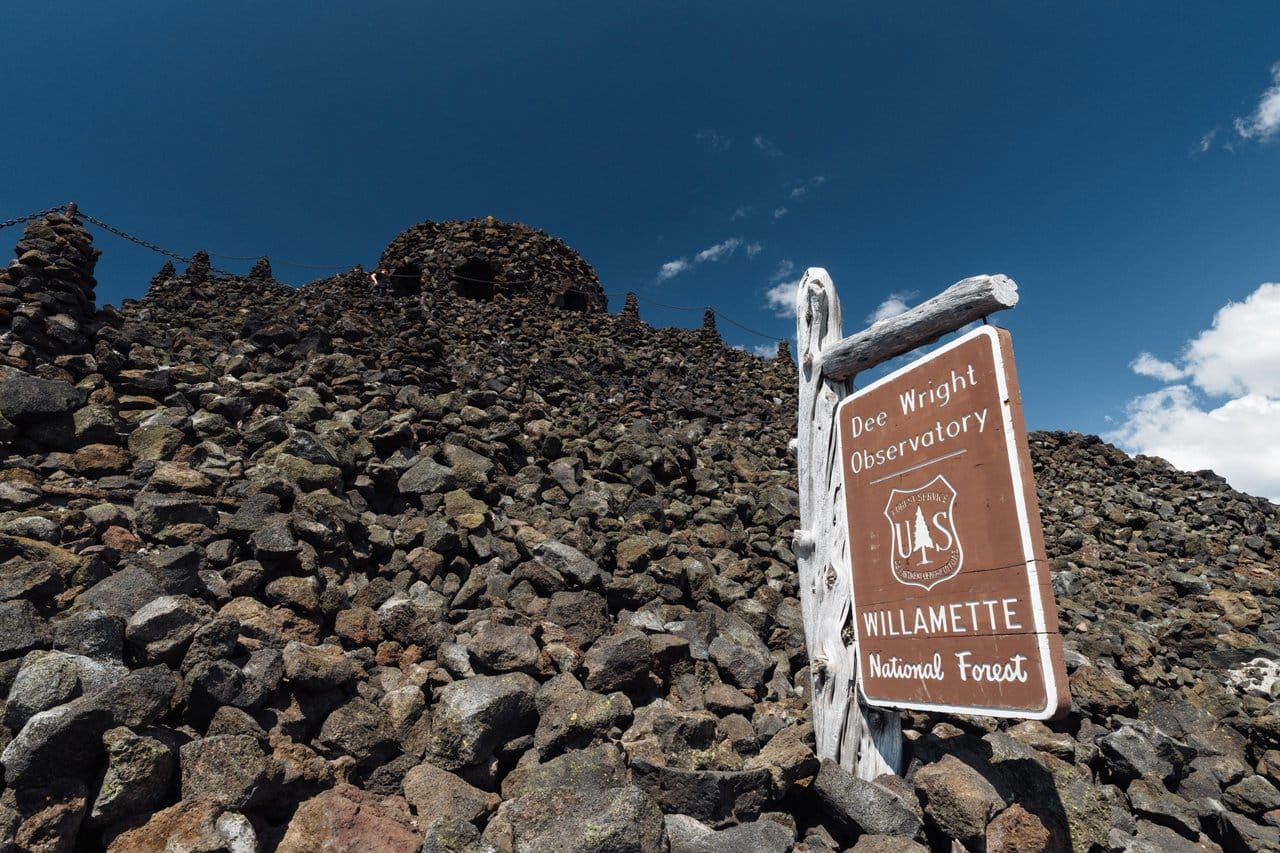
Sisters, a small, vibrant town surrounded by the Deschutes National Forest, earned accolades last year for its clear nights and dedication to minimal light pollution, earning a “dark sky community” designation. Stargaze in town from your patio or venture along the McKenzie Pass-Santiam Pass National Scenic Byway to the Dee Wright Observatory. The rustic observatory is at more than 5,000 feet of elevation, atop black lava flows. A perfect place to set up a telescope or take in panoramic views of Mount Washington and the Three Sisters Wilderness areas.
Pine Mountain Observatory
A fixture of the University of Oregon’s physics department, Pine Mountain Observatory is situated southeast of Bend. The mountain-top facility capitalizes on its remote location, 6,300-foot elevation and Central Oregon climate to offer researchers incredible visibility of the night sky. While the observatory functions primarily as a scientific research basecamp, it is open to the public for stargazing and educational programs most weekends throughout spring and summer. Check the observatory’s schedule before heading out.
Worthy Hopservatory
Bend may be the biggest city in Central Oregon, but even within city limits, the skies are dark enough for sweeping star-filled views. At Worthy Brewing, a local favorite with award-winning brews, a research-grade telescope set on the third-floor dome is open to the public for viewing faraway galaxies, planets, and more.
Asterisk Observatory
Opened in 2024 within Smith Rock State Park, the Asterisk Observatory has multiple telescopes available for viewing and a roll-off roof for 360-degree views. The observatory also offers hosted experiences, which include an educational presentation, night sky observing, a guided constellation tour, and hot beverages. Overnight accommodations are available for up to six people.
Sunriver Observatory
With nearly three dozen telescopes, the Oregon Observatory in Sunriver boasts the most telescopes for public use in the country. Volunteers are on hand to position each powerful viewer to point at different phenomena in the night sky. From globular clusters to nebulae and faraway planets, there are awe-inspiring views through each lens. In 2020, Sunriver was designated as a Dark Sky Friendly Development of Distinction.