

Seasoned Advice
Hitting the Road in the Winter
A longtime RVer shares tips for staying warm, buying gear, and where to go when cold weather rolls in.
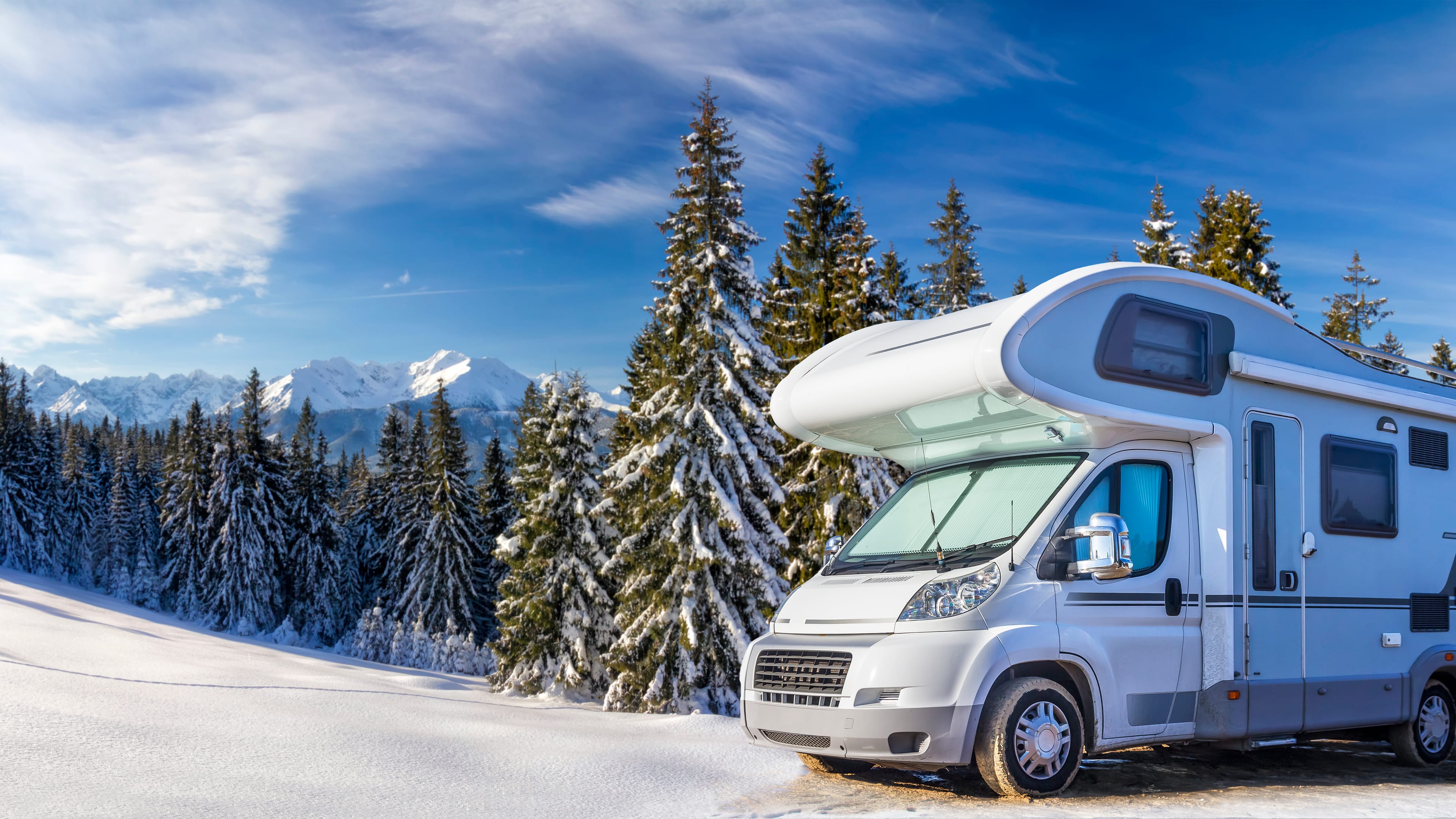
Marc and Tricia Leach, of the Keep Your Daydream Youtube channel, discovered the pitfalls of winter RVing the hard way. Once, they unintentionally towed their Airstream over Colorado’s Vail Pass in a full-on blizzard. Another time, their gray-water tank cracked in below-freezing conditions. Yet, despite those mishaps, the couple, who are based in Flagstaff, Arizona, think winter RVing is worth it—as long as you know how to do it right. “When it comes to winter camping and RVing, work is always needed,” Marc says. “You have to plan and prepare, but at least you can still go.” Here, Marc offers advice for how to properly camp in the cold.
Wildsam: What are some misconceptions you think people have about winter RVing?
Marc: The first one is that a four-season rig is not the end-all be-all. People think, ‘Oh, I’ve got a four-season rig, so I don’t have to worry.’ Nope. It just means you’re going to freeze slower. There’s no way one duct in the undercarriage can keep up with sub-freezing temperatures. You still have to worry about it.
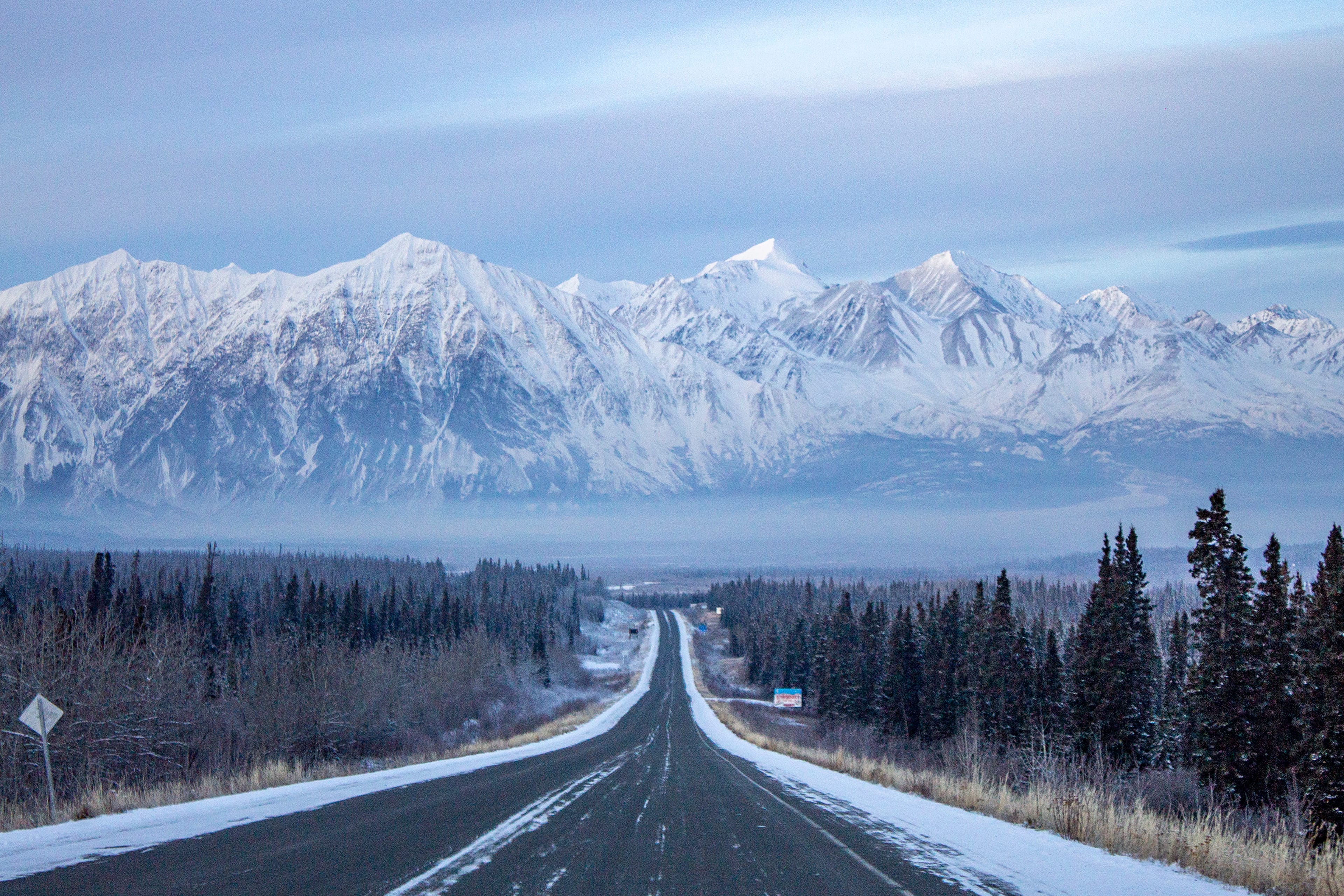
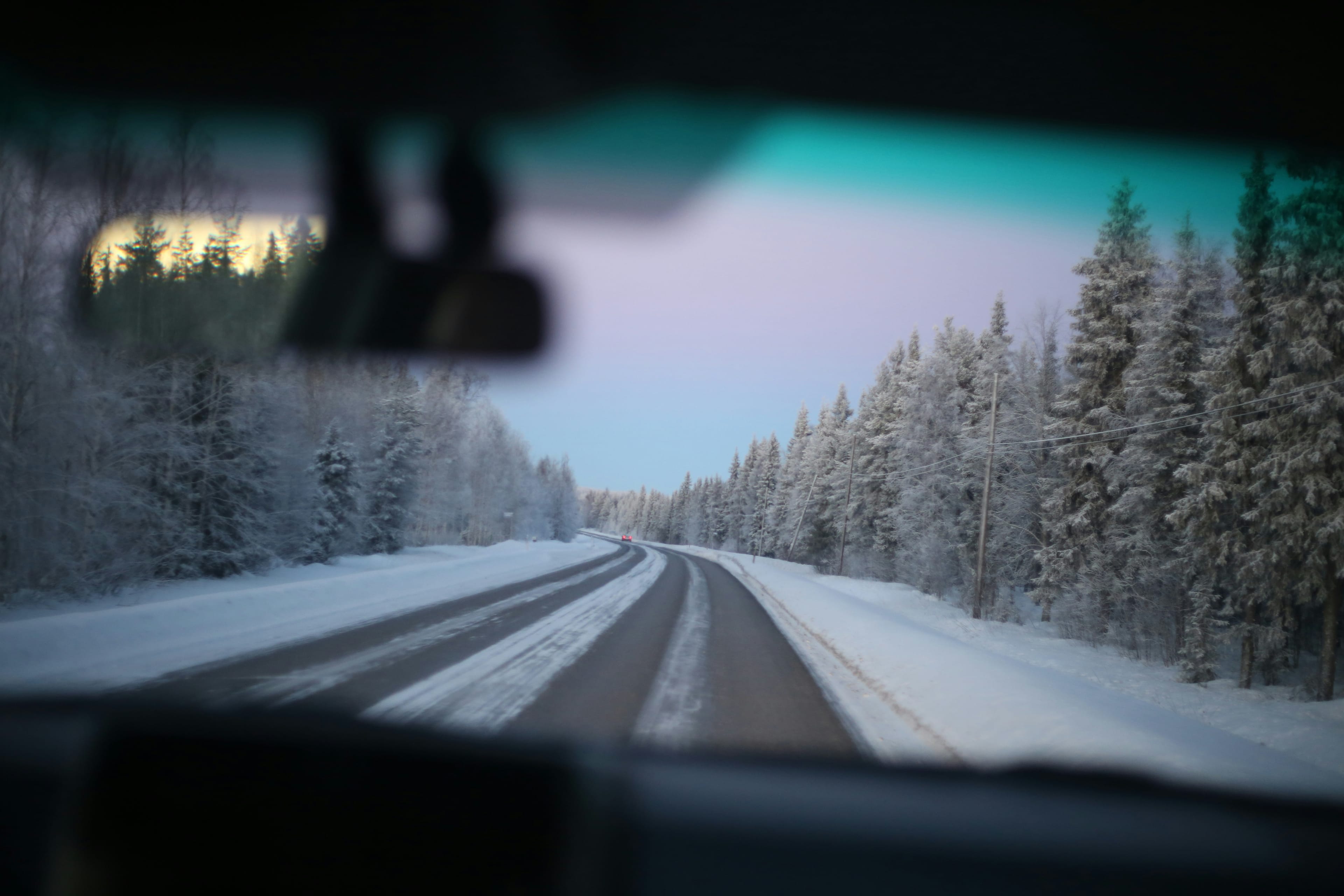
Another misconception is that four-wheel drive is the answer to driving in bad weather. If there’s a car on its roof on the side of the road, it’s inevitably a four-wheel drive vehicle. People think, ‘I’m in four-wheel drive, I’m fine.’ But when you hit ice, it doesn’t matter. We have a saying: in all things, but especially winter driving, slow is pro.
READ MORE: 8 Reasons to Try Winter RV Camping
What are some best practices that have worked for you?
Don’t fill your fresh tank all the way. Water expands when it freezes, and you can crack it. I keep mine about a third full. And never leave your sewer hose connected in the winter—get it out, dump, and put it away.
Leave a gallon of fresh water in the rig. You might wake up and your pipes are frozen, but once the sun comes out, it’ll thaw and start flowing again. Don’t panic.
Never let your fuel drop below a quarter tank. If a highway shuts down, it could be hours or all night, and the last thing you want is to run out of gas and lose your heater. We always try to keep half a tank or more.
Carry extra blankets and think through how you’d stay warm if you ran out of propane or fuel. Sometimes it’s just about patience. We’ve been in blizzard conditions, pulled into a spot, waited one day, and the next morning the sun came out and everything was fine. The departments of transportation on mountain corridors are incredible—they clear the roads fast. Sometimes just waiting is the smartest move.
Any must-have gear for winter camping/RVing?
An ice scraper is number one—people forget how long it takes to defrost. Backup propane is huge, too. You’d be surprised how fast the furnace goes through propane, so I carry a five-gallon tank for backup.
We also bring a small electric heater. If we’re at a full-hookup site, we set the furnace at 50 degrees to keep the undercarriage warm and then run the electric heater just to take the edge off inside. If someone’s worried about safety, they can get a heater that shuts off if it tips over.
Some people like using a dehumidifier—it really helps with moisture buildup when you’re cooking or it’s snowing outside. And a heated hose is absolutely worth it. They actually work really well and keep your water flowing.
Along the same lines as the ice scraper, I’d say bring a pole or roof rake to get snow off the top of your rig or the slides. Waking up with a foot of snow on your slide-outs is no fun. Those little things make a big difference when the temperatures drop.
READ MORE: 10 Essential Gear Items for Winter RV Travel
What are some of the best winter travel spots you’ve been to?
Tiger Run in Breckenridge is phenomenal. It’s one of the few resorts that really caters to winter RVers—you’re surrounded by mountain views, just minutes from the ski lifts, and they’ve even got cozy cabins if family wants to join you without camping. It’s five minutes from Breckenridge and about 10 from Copper Mountain, so it’s perfect for skiers.
Lake Tahoe’s great, too, and for Arizona, Flagstaff’s solid. But honestly, maybe the best place for winter camping is Florida. Just avoid the cold altogether.
READ MORE: 6 Places You Should Take Your RV This Winter

About the author
Shane Monaghan is a freelance writer based in Denver. Previously, he was a longtime editor at 5280 magazine, where he oversaw culture and adventure coverage and managed digital storytelling. He regularly covers RV tech and culture for Wildsam.
Shane Monaghan is a freelance writer based in Denver. Previously, he was a longtime editor at 5280 magazine, where he oversaw culture and adventure coverage and managed digital storytelling. He regularly covers RV tech and culture for Wildsam.
More Winter RVing + Camping
Check out the full Winter 2025 Digital Issue of Wildsam Magazine.