

Behind the Scenes of the Most Iconic Movie Clip of 2025
Michael Glaser, the location scout behind the thrilling chase scene in One Battle After Another, talks filming and life on the American road.
It will go down as the most memorable movie scene of the year, possibly the decade.
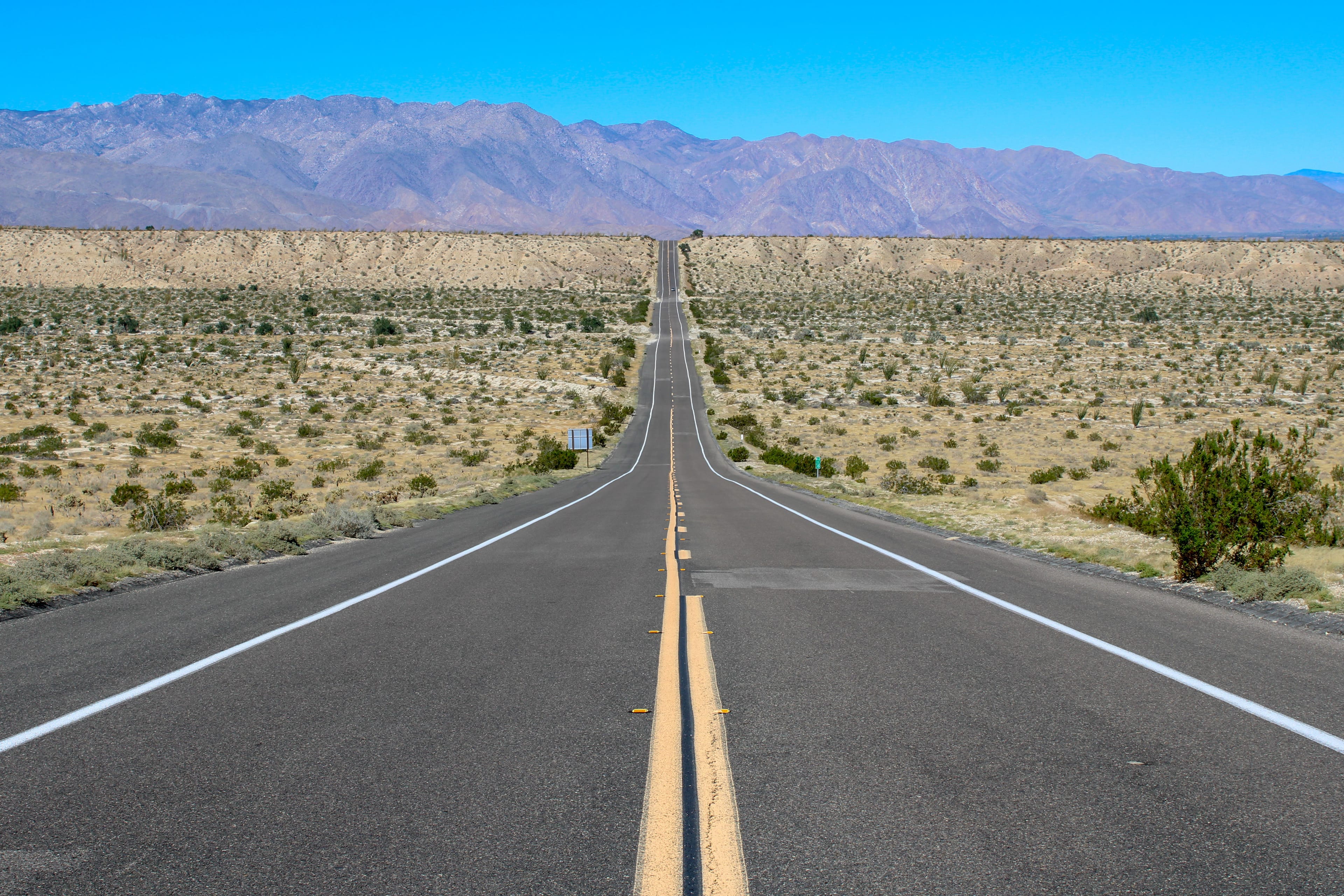
Four cars are mired in a deadly game of hide-and-seek on an undulating stretch of rural California state highway. Inside those cars are at least two generation-defining actors (Leonardo DiCaprio and Sean Penn) and another in the making (newcomer Chase Infiniti). Somewhere offscreen, the state’s unofficial bard du cinéma (Paul Thomas Anderson) futzes with the ancient, unwieldy VistaVision cameras he’s enlisted to capture this whole affair in a vertiginous widescreen format.
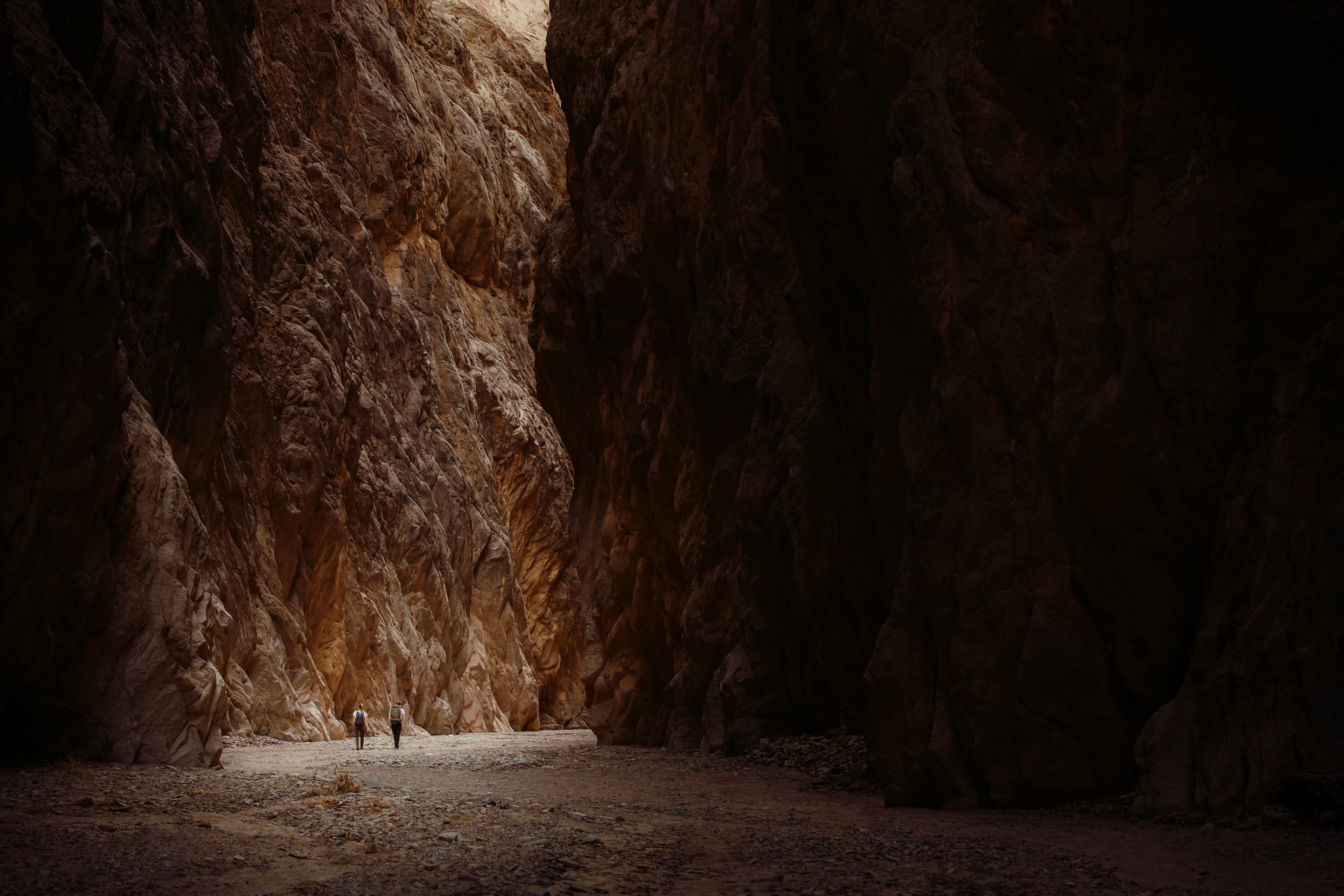
But the real star of One Battle After Another’s climactic chase scene cannot speak or glower or do its own stunts or operate a motor vehicle. It’s Anza-Borrego Desert State Park, a badland 90 miles east of San Diego, replete with slot canyons, arroyos, sunburnt hills and seasonal wildflower blooms.
Who found this mystical place and its rolling, double-barreled highways? And how?
The answer to the first of those questions is Michael Glaser, the film’s supervising location manager, board member of Locations Managers Guild International, and holder of one of the coolest and most unsung jobs in Hollywood. And as for the second? According to Glaser, it was an act of pure kismet.
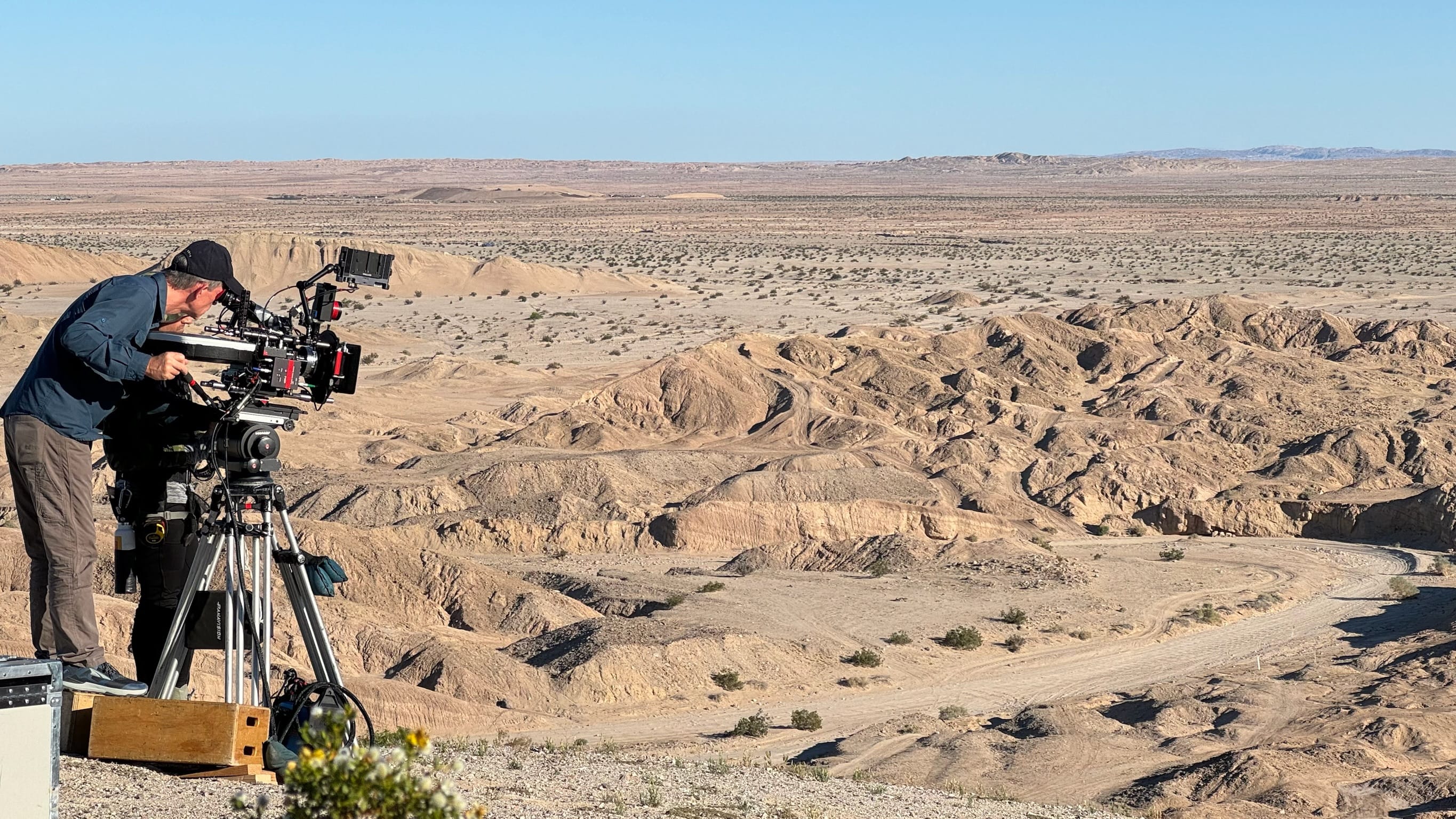
“I took [Anderson, along with the production designer and first AD] in this roundabout way through Imperial County and San Diego County and San Bernardino County. And we found what's called Walters Camp, which is on the Colorado River on the border between Arizona and California. Then we came out onto Highway 78—what we call ‘the River of Hills’—kind of by accident.”
For Glaser, such accidents are part and parcel of a life spent scouring the American landscape for backdrops to some of the 21st century’s most iconic films and television series: Interstellar, Westworld, Straight Outta Compton, The Hateful Eight, Snowfall, Licorice Pizza. He grew up in Kansas City and Wilmington, Delaware, but road-tripped everywhere in between; his father was a traveling salesman for DuPont.
“We did a lot of driving. Camping trips from Kansas City out West, snaking our way through Colorado, Utah, Wyoming, Idaho, Washington, Oregon.”
It was on those trips that he first honed a sharp memory for cataloguing the places that passed by his window.
“My brother and dad used to play a trick on me when I was still in a car seat. They’d say we were lost and we were never gonna see my mom or grandparents again, and they'd start fake crying. I think the trauma of that made my brain wired in a very spatial way, to always know the route we took and which way was north.”
Perhaps it’s that sense of direction that inclined Glaser to accept his first job in location scouting. In 2008, fresh out of film school but uncertain about which aspect of the industry, exactly, he wanted to break into, Glaser decided to take a job on Transformers: Revenge of the Fallen, the franchise’s second installment.
“A friend of mine said, ‘There's a position as a PA in the location department.’ I didn't really know what that meant, but I thought, ‘It’s an opening, it’s a foot in the door.’ So I said yes, and then here I am, 17 years later.”
As he wades into explaining his day-to-day duties, Glaser’s tone turns cautionary. Location management—his role, these days, as one of the industry’s more tenured and respected names—he warns, isn’t just about the “sexy part of the job.” As is the case with nearly any seasoned travel professional, it also involves a heavy helping of logistics.
“Nobody chooses to be a location manager. And when I say location manager, that’s the umbrella term that includes scouting, logistics, permitting, contracts, insurance—all the things it takes to get a film crew in and out of a location, whether that be your mom's house, a county road or a courthouse.”
The early days of a shoot might involve long hours spent on the road with a point-and-shoot in hand and a production designer riding shotgun. (Glaser estimates that he put “thousands” of miles on the van he piloted while scouting One Battle After Another.) But things can quickly deteriorate into a Kafkaesque world of red tape and hard conversations.
“You have to have a pretty intimate knowledge of all these places: Where are they in relation to other locations you're shooting? How are you gonna get a full-blown company of 150 people, all the trucks and trailers and cars, in and out? What’re you gonna feed 'em? What's the weather like? All those things are kind of always swirling in our heads. How are we gonna do this? What's the fastest, easiest, most efficient way to do it?”
More maddening, still, are the locations—haunts, Glaser affectionately calls them—that were scouted but never used.
“You get a lot of eureka moments and then it's not picked or it's not right. In Interstellar, the planet at the end of the movie, that took us eight months to find.”
But with that comes the ultimate upside: the days when a location manager finds a “haunt” so perfect that it not only passes muster, but becomes a character unto itself, rerouting the entire trajectory of a film.
Such was the case with Anza-Borrego’s River of Hills and the now-iconic chase scene that bookends One Battle After Another. (Warning: Spoilers ahead.)
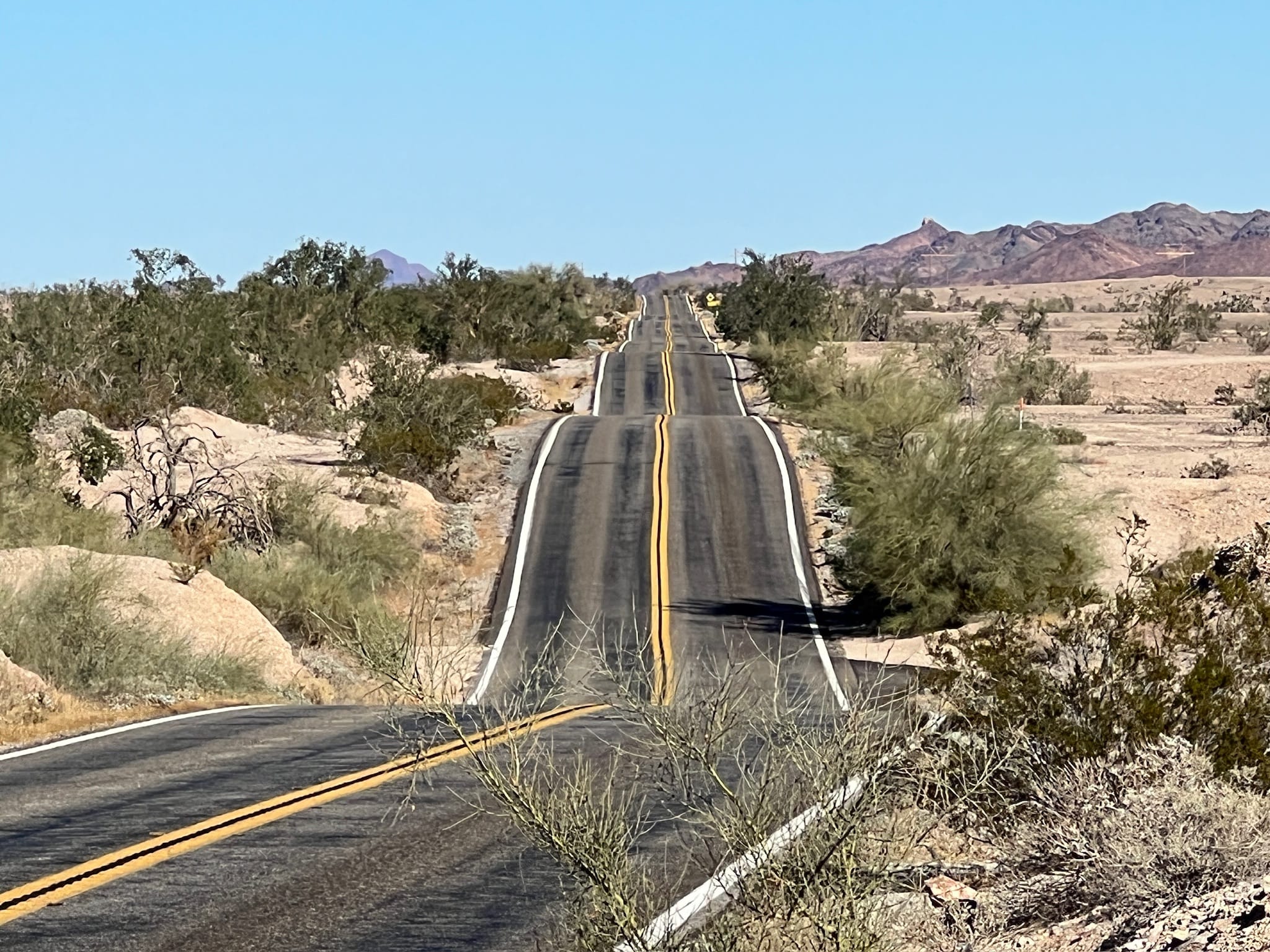
In the scene’s coup de grâce, the pursuee (played, fittingly, by Chase Infiniti) slams on her brakes just after cresting the top of one of Anza-Borrego’s hallowed hills. She bails from the driver’s seat and into a roadside ditch as her pursuer races up the hill behind her, engine throttled. By the time her car comes into view, his fate has already been sealed.
“The third act of the film wasn’t really fully conceptualized. You knew some people were chasing down some other people, but you didn't know the cadence or how it was all gonna fit together. Then, kind of just by accident, we found this road, and in doing so, everything started to fall into place. The road was super hectic, and you’d come up over a hill, and you wouldn’t see a tractor-trailer—it would just appear out of nowhere.”
It was in that moment that Paul Thomas Anderson, Glaser as his guide, stumbled upon the climax of one of the year’s best films.
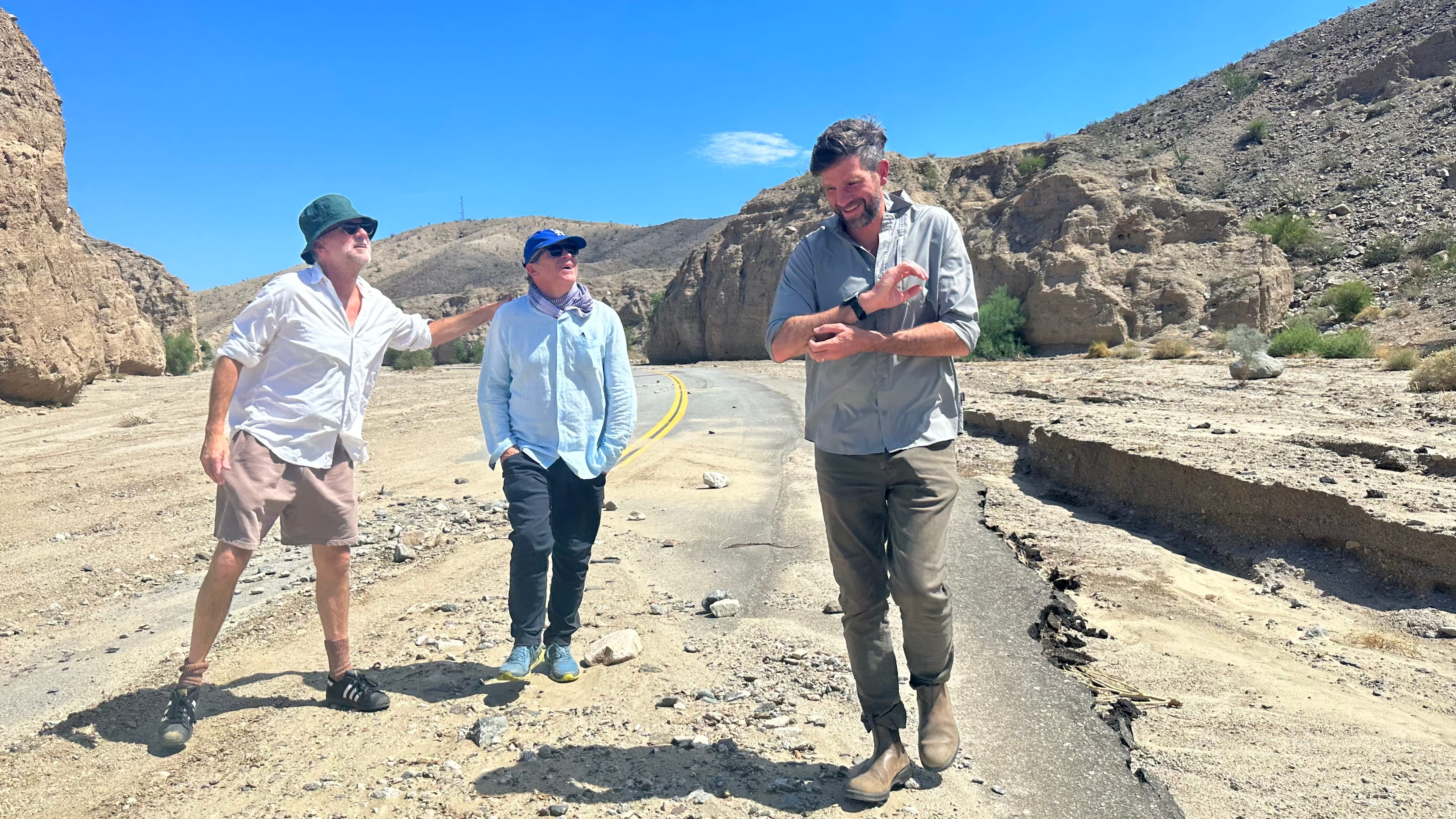
“More often than not,” Glaser says, “the writing going into a scene completely changes because of the location.”
Location, location, location.
Like What You See?
Get the latest stories, plus details (and discounts!) on Wildsam field guides, sent right to your inbox.
Read more like this