

In Pursuit of Cormac McCarthy’s Border Trilogy
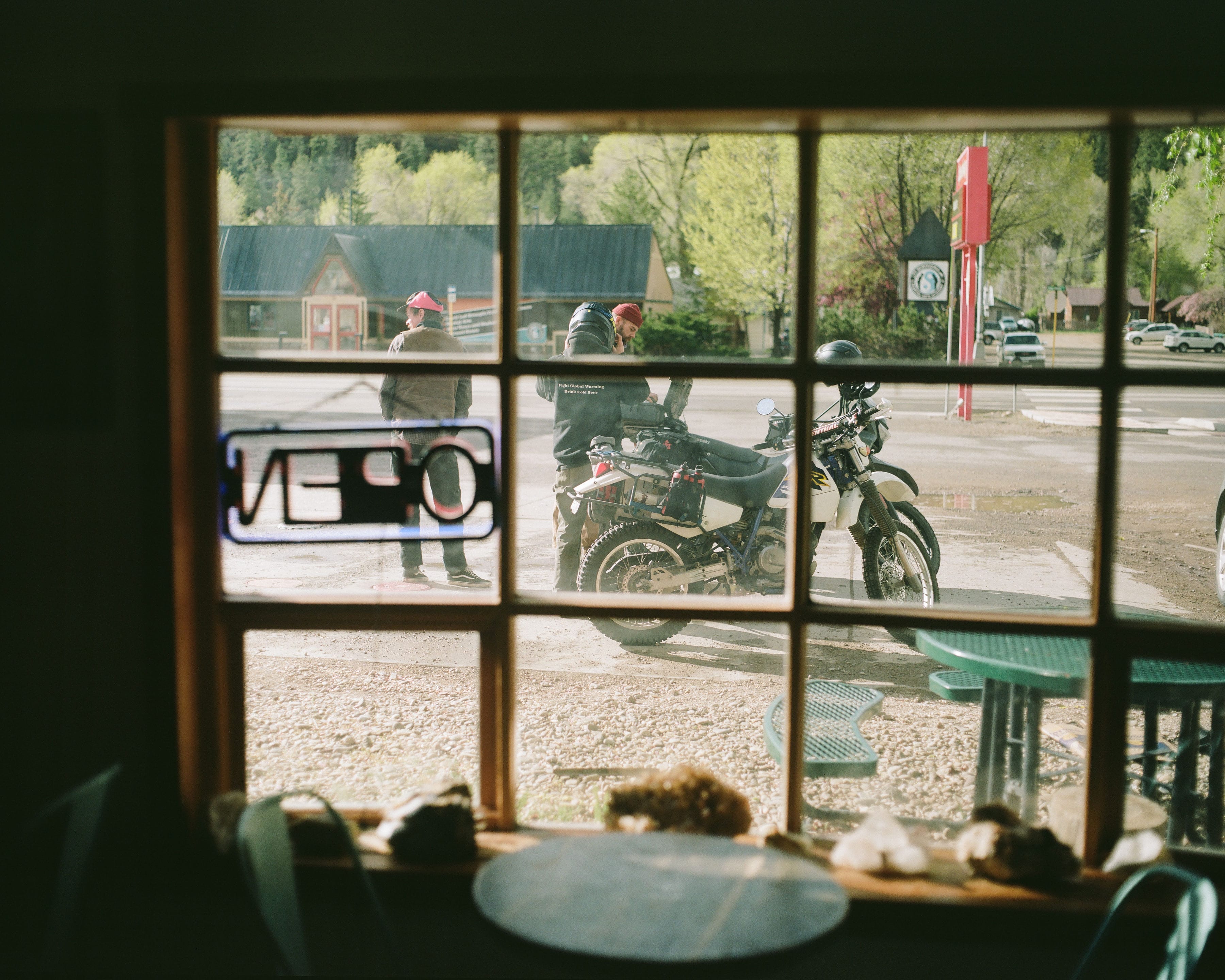
Across the New Mexico desert, not on horseback, but a moto or Jeep will do.
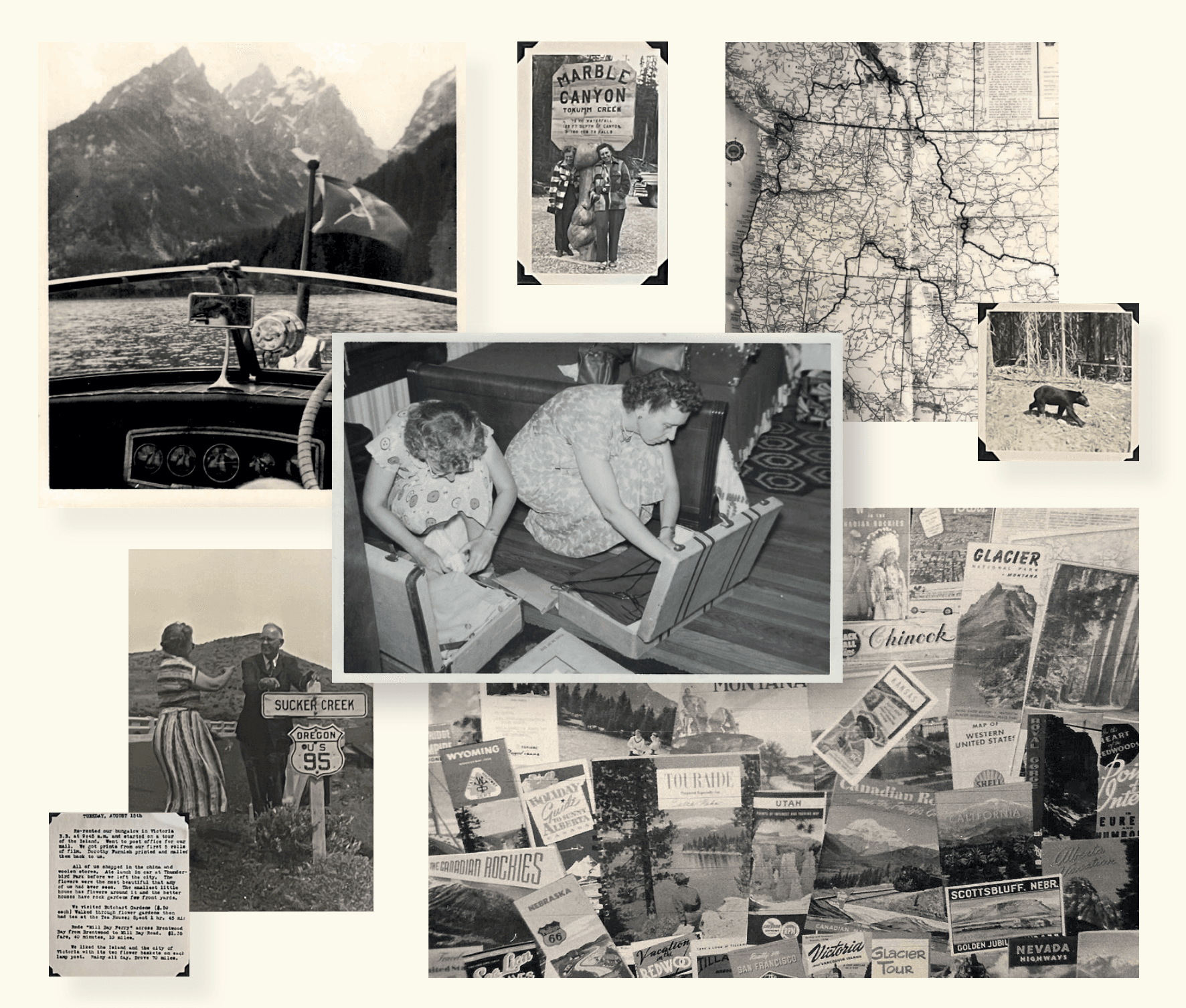
There’s a Buc-ees in Amarillo, Texas, where we stopped for quick brisket sandwiches and other provisions to take along on our way. Buc-ees is a Lone Star State-based, modern, mega-sized convenience store somehow fused to classic American roadside kitsch by way of sheer outlandishness. We’d soon get to the real thing, or what’s left of it, crossing westward into New Mexico to choose whichever Route 66 lodging relic in Tucumcari suited us best. Us included our four-month-old boy, who’d been powering through a seven-night road trip from Tennessee to Montana with uncommon tranquility, maybe even sharing some of our wonder at a passing country that gradually yet suddenly takes on new forms.
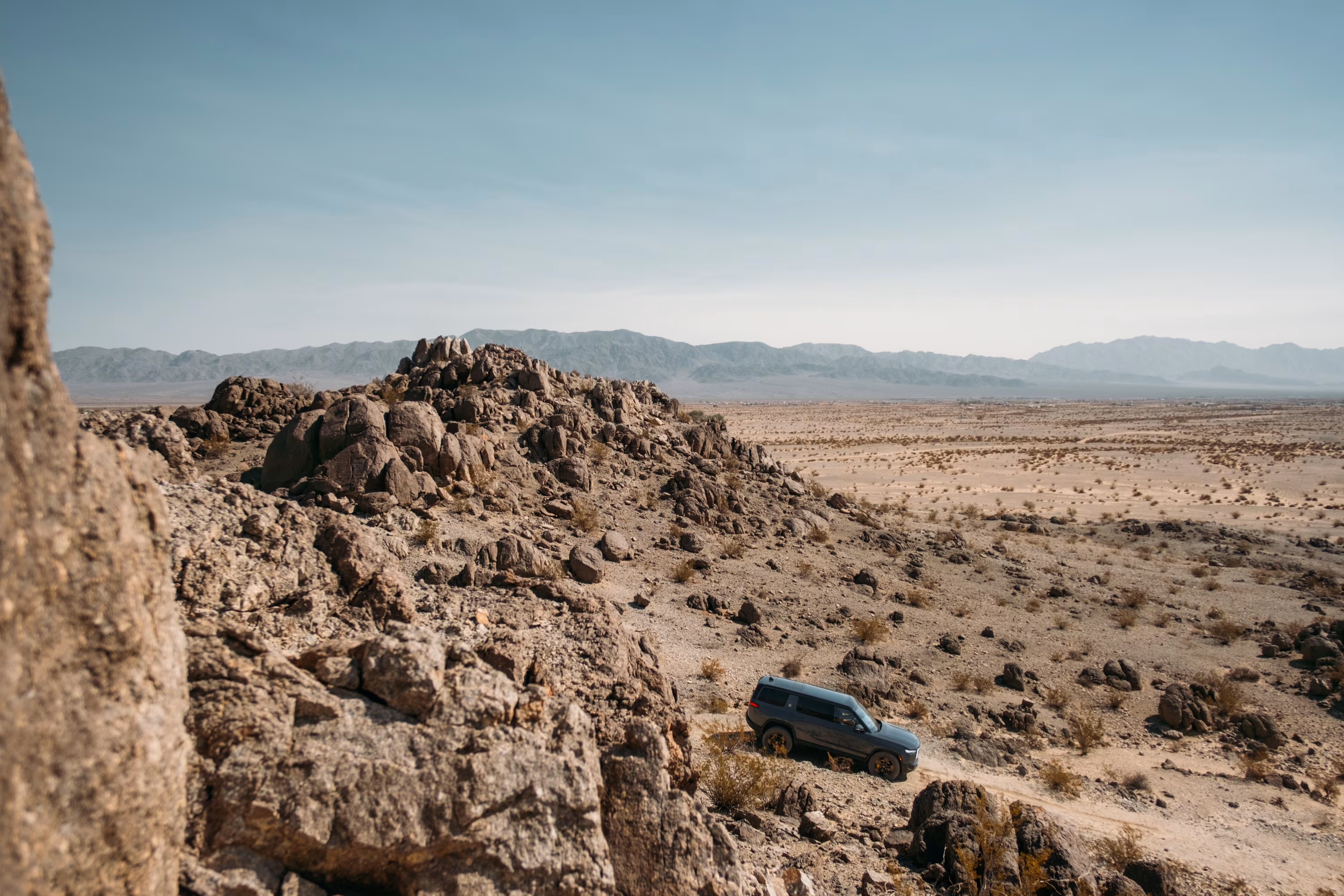
Once you’re outside the Yellow Rose of Texas and get nearer to the state line, your passage into a true American Southwest starts feeling more total, as the already expansive landscape—largely flat and rangy in the Panhandle—stretches farther, reddens, mutates. Colossal mesas rise in the distance and quiver in the heat. You’re entering the desert Wild West of The Searchers or Blood Meridian or Tombstone—but not really, not yet. You’re on Mars. A place from which, by the looks of it, folks have been banished.
I wanted to take my family on a more southerly—and unnecessarily long—route I’d taken solo in my twenties. You can shoot northwest to Montana from Tennessee by Interstate and make it in four days or less if you’re really gunning it. But you’d miss the desert and the Southern Rocky Mountains, and that just wouldn’t do.
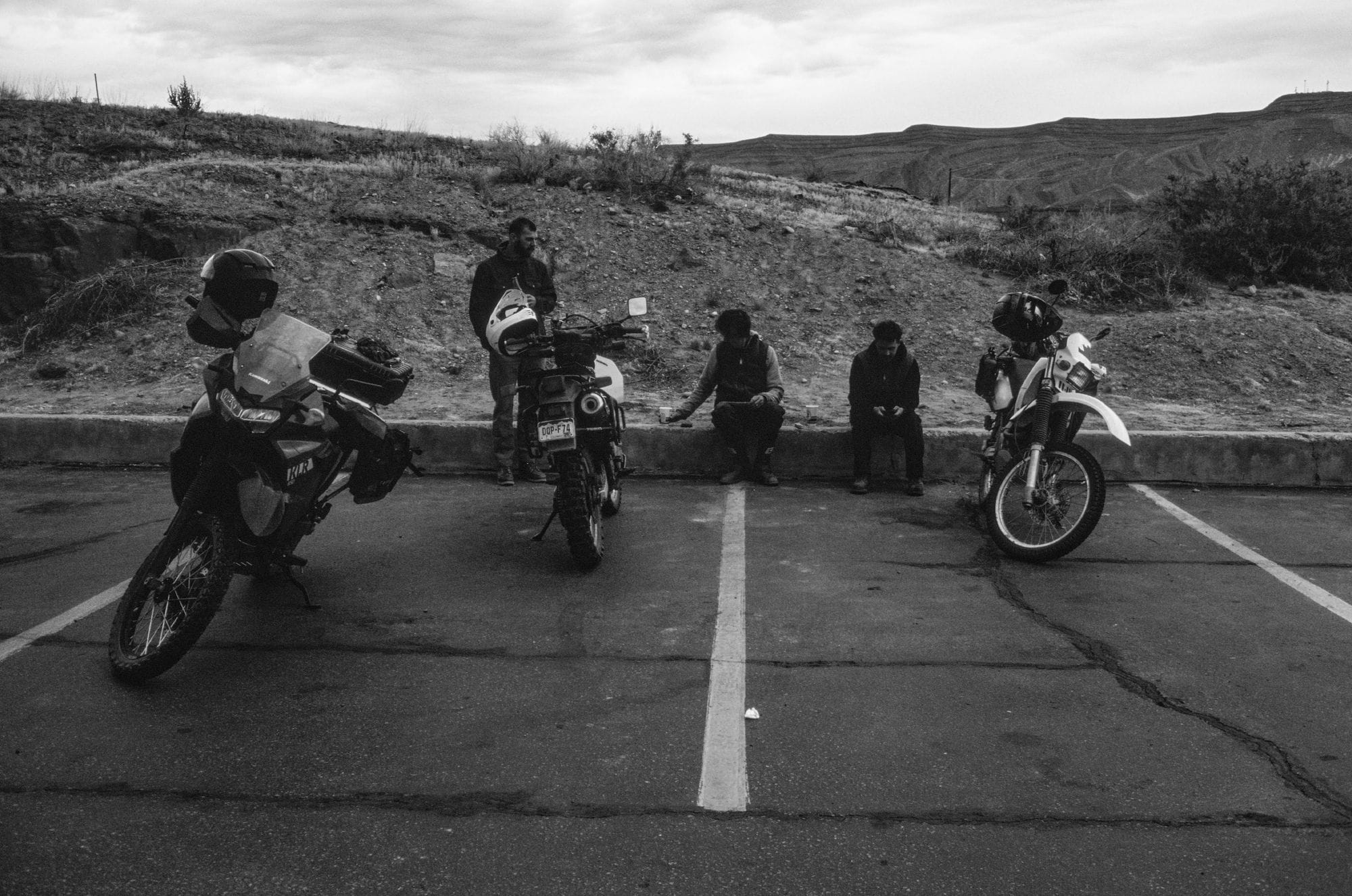
We’d dropped down and across, largely opting out of Interstates altogether, favoring state highways, searching for the raw, red bones of the earth. Which is exactly what you get: land that inspired the hard romance of John Grady Cole and Billy Parham in Cormac McCarthy’s Border Trilogy. The first installment of this trio of novels, All the Pretty Horses, first appeared almost 35 years ago, in 1992, just as a slick talker with an Arkansas drawl was about to become president. American country music was booming again. Cormac McCarthy was decades into a writing career but not yet a legend; this sequence of novels—far less violent than his earlier work, with a romance for landscapes and cowboy iconography—would make him a star. On the eve of the dot-com bubble, the country had gone country.
Now, in the age of chatbots, data centers and the ultimate ubiquity of smartphones, it's not crazy to think we'll start looking back yet again, and start strengthening our bonds with the natural world and a more romantic way of moving through it. That possibility helps explain why McCarthy’s Trilogy retains its magnetism, so long after it first appeared. Set just before and after World War II, the three novels concern young men who break horses, fall in love with wolves, and travel across the border into Mexico seeking something lost of the old America. Yet still in their home country there existed unfenced ranchlands and prairies as far as the eye could see and ribald trains moving across a vast, sagebrush-speckled desert; pastel skies accordioned in bands of color like rock strata, heaven reimagining itself again and again.
And reimagined again in the mid-Twentieth Century by mom and pop hoteliers with an eye for neon. Motels with names like Canyonlands and The Blue Swallow and Motel Safari, squat one-story motor lodges whose cinder block carports holler out with loud murals of Elvis Presley and pink Cadillacs.
You get all this now. Possibly not on horseback, but a moto or Jeep will do. All patinaed by time today, scoured gritty like the badlands and sandstone cliffs and canyons and raw mountainsides—blasted-looking by talus slopes and corded with mesquite and creosote, pinyon pine and prickly pear. Thousand-year-old Pueblo villages. Petroglyphs. Pictograph caves. Hand-painted billboards. Curio shops shaped like cartoon teepees. Aliens. The atom bomb.
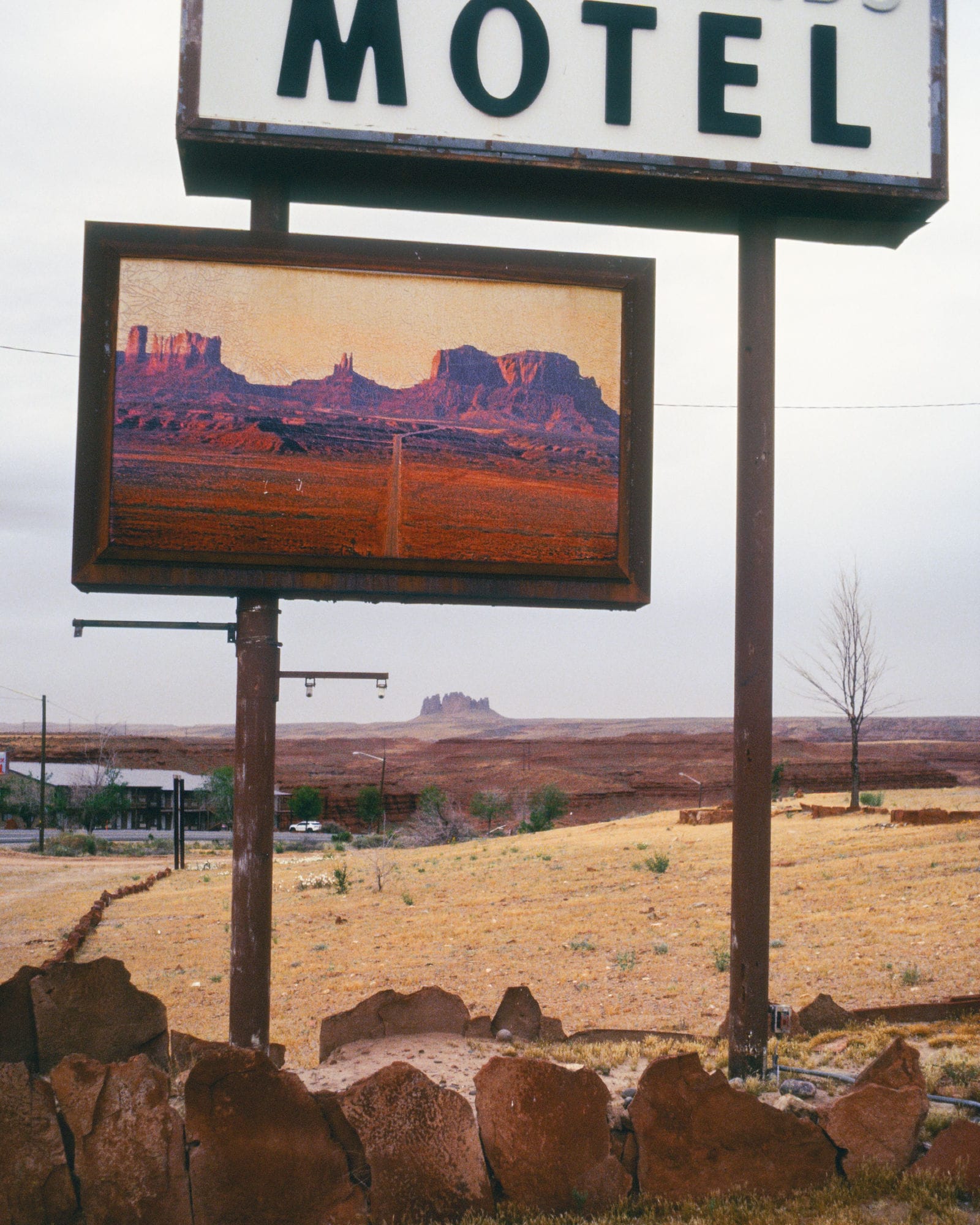
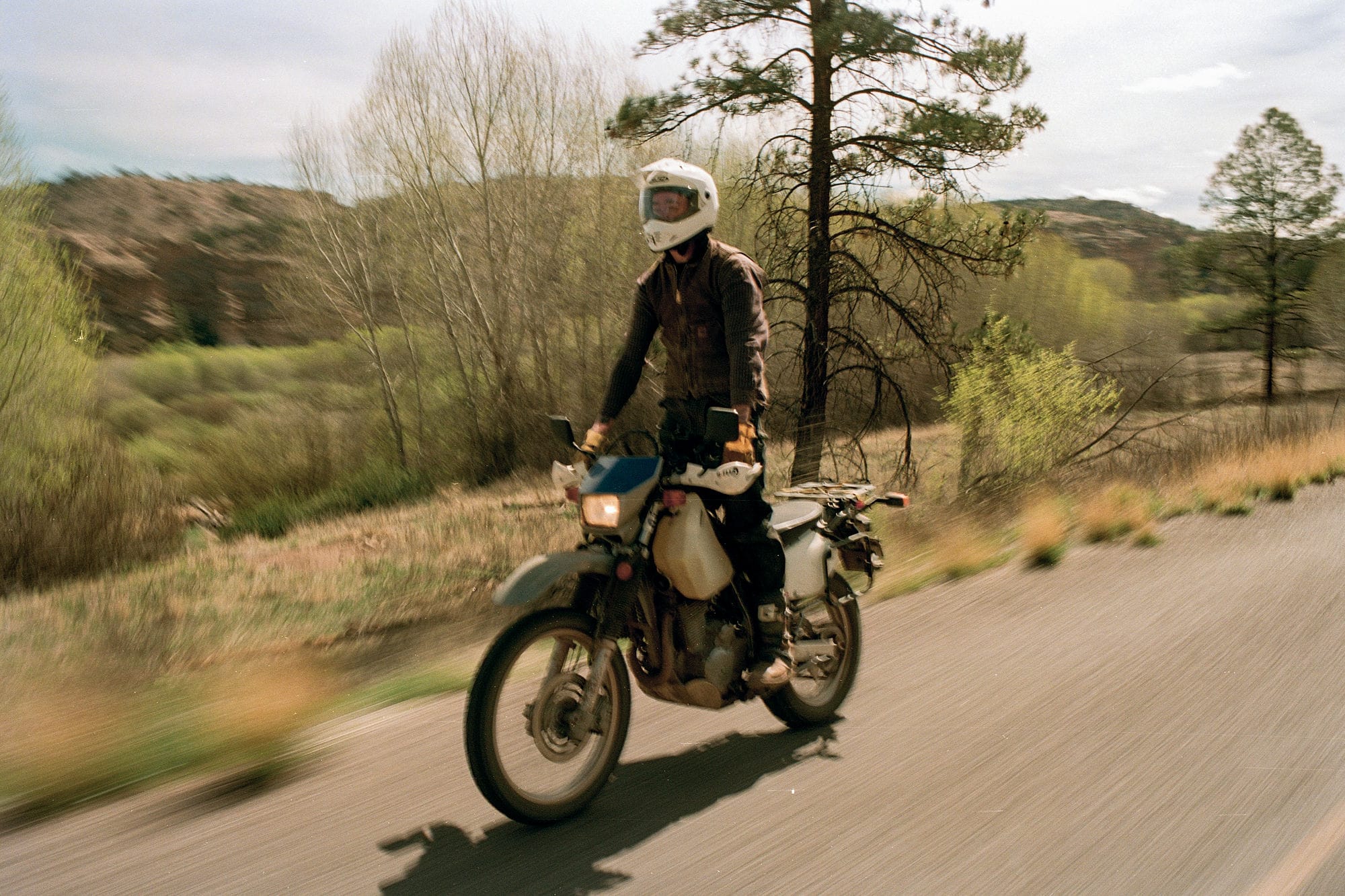
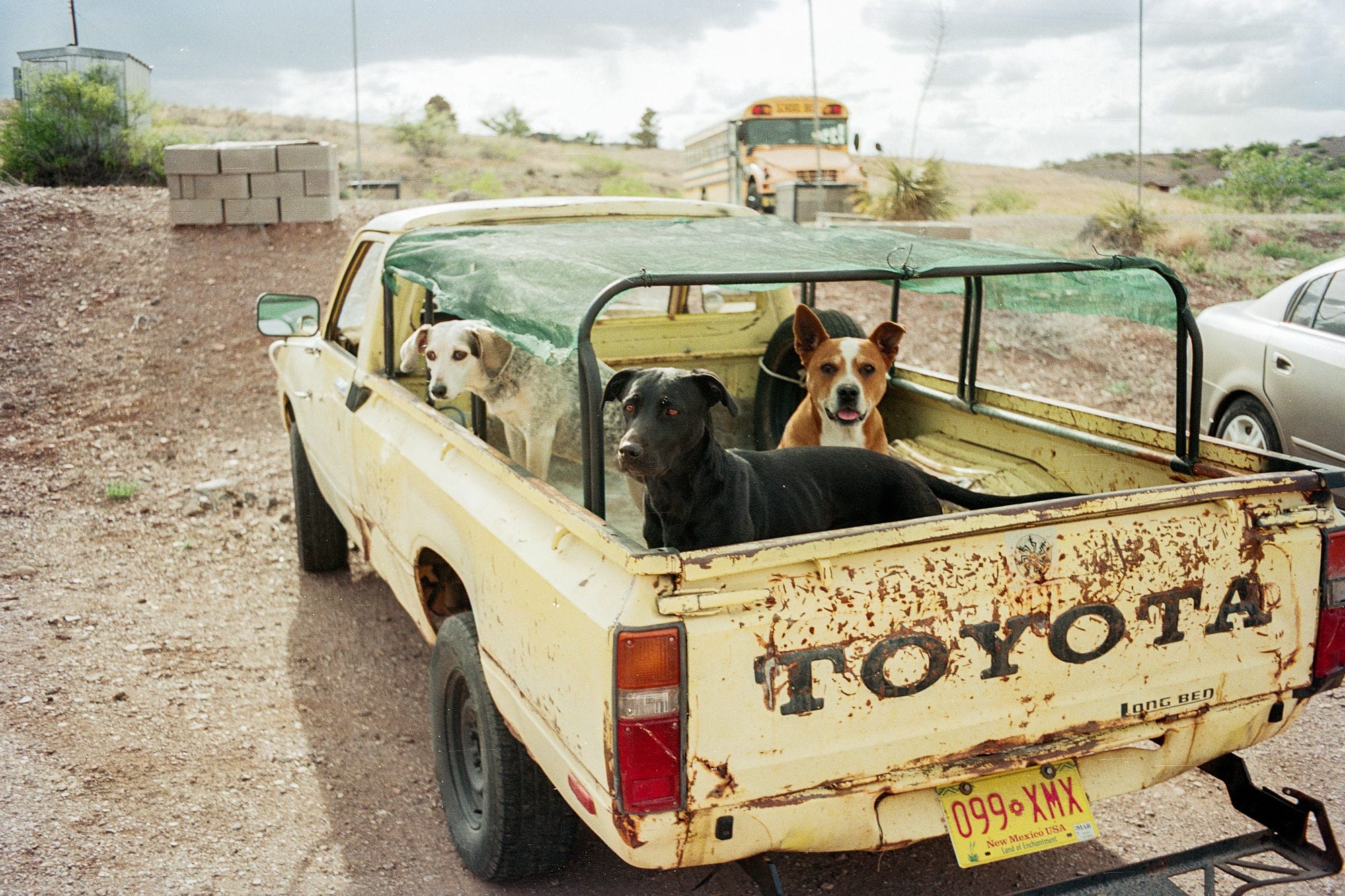
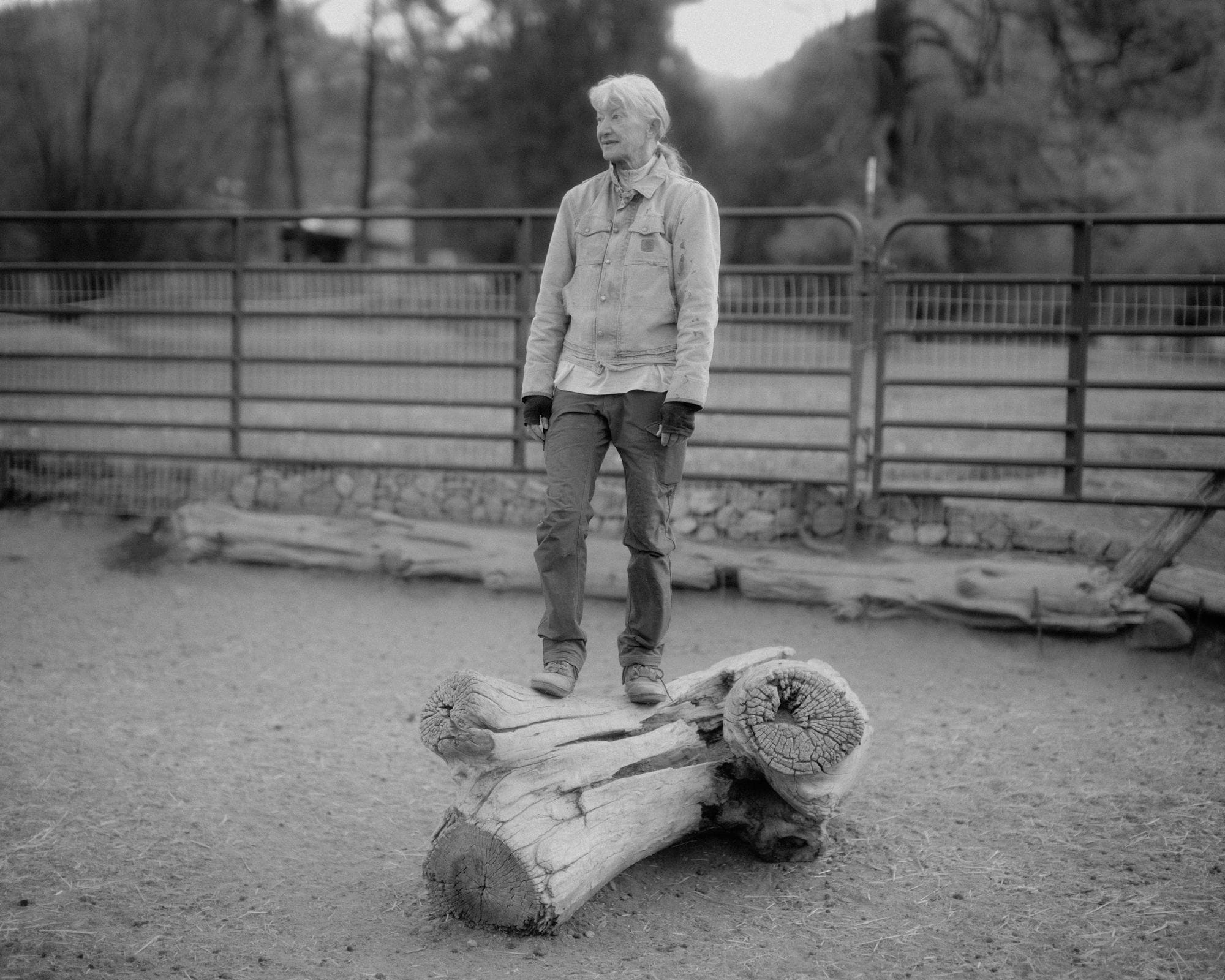
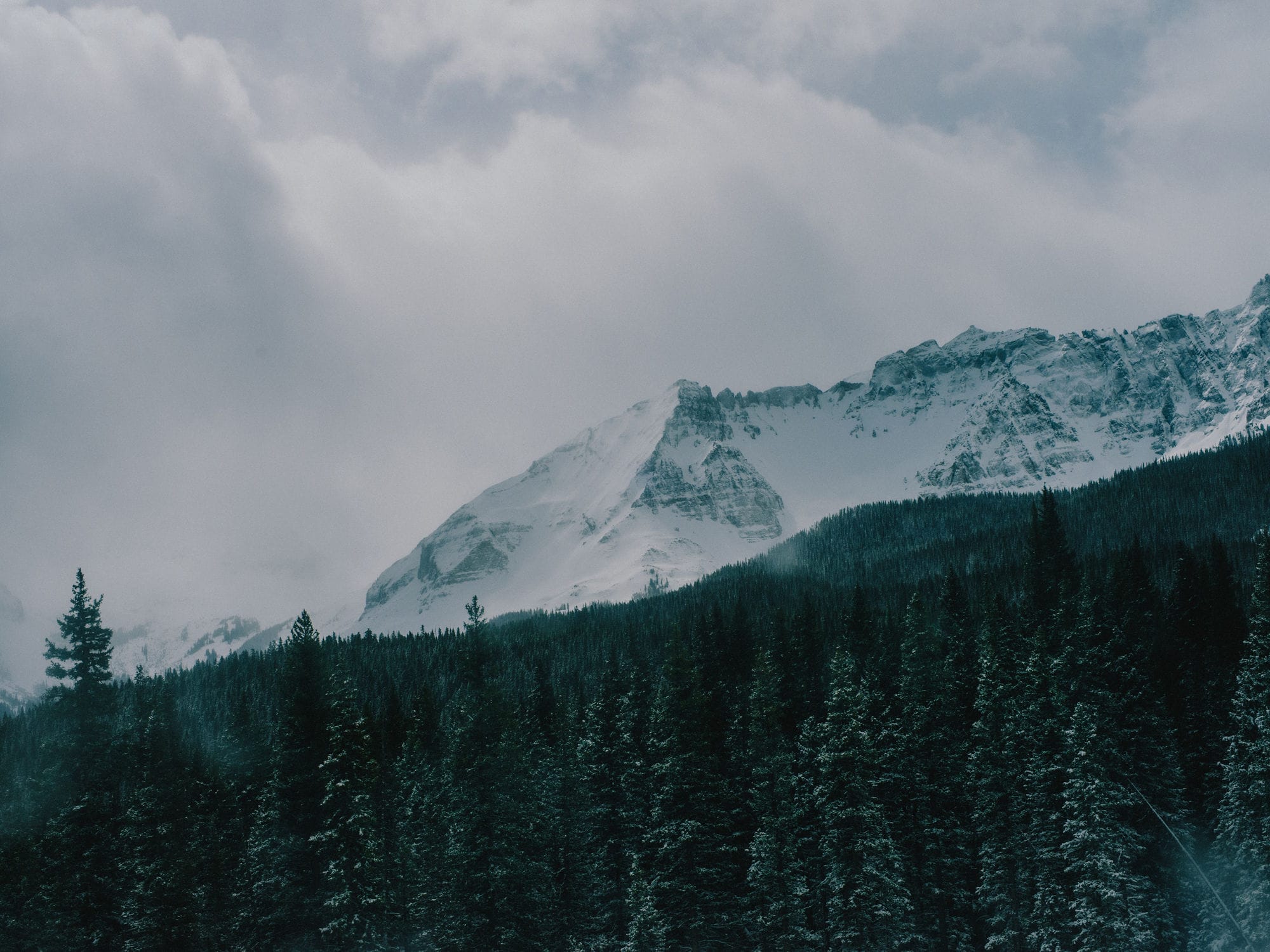
You can tell folks have ceased to pass through as often as they did fifty, seventy years ago. The Interstate Highway System did a number on the Mother Road. There’s a boom-bust-lore lifecycle in America and if the neon that’s still there doesn’t suit you? The thing that never dies is a short drive away, in any direction: Hot springs, trout streams, ancient dwellings, dirt roads through higher-altitude spruce forests until you drop down again into the forbidden planet.
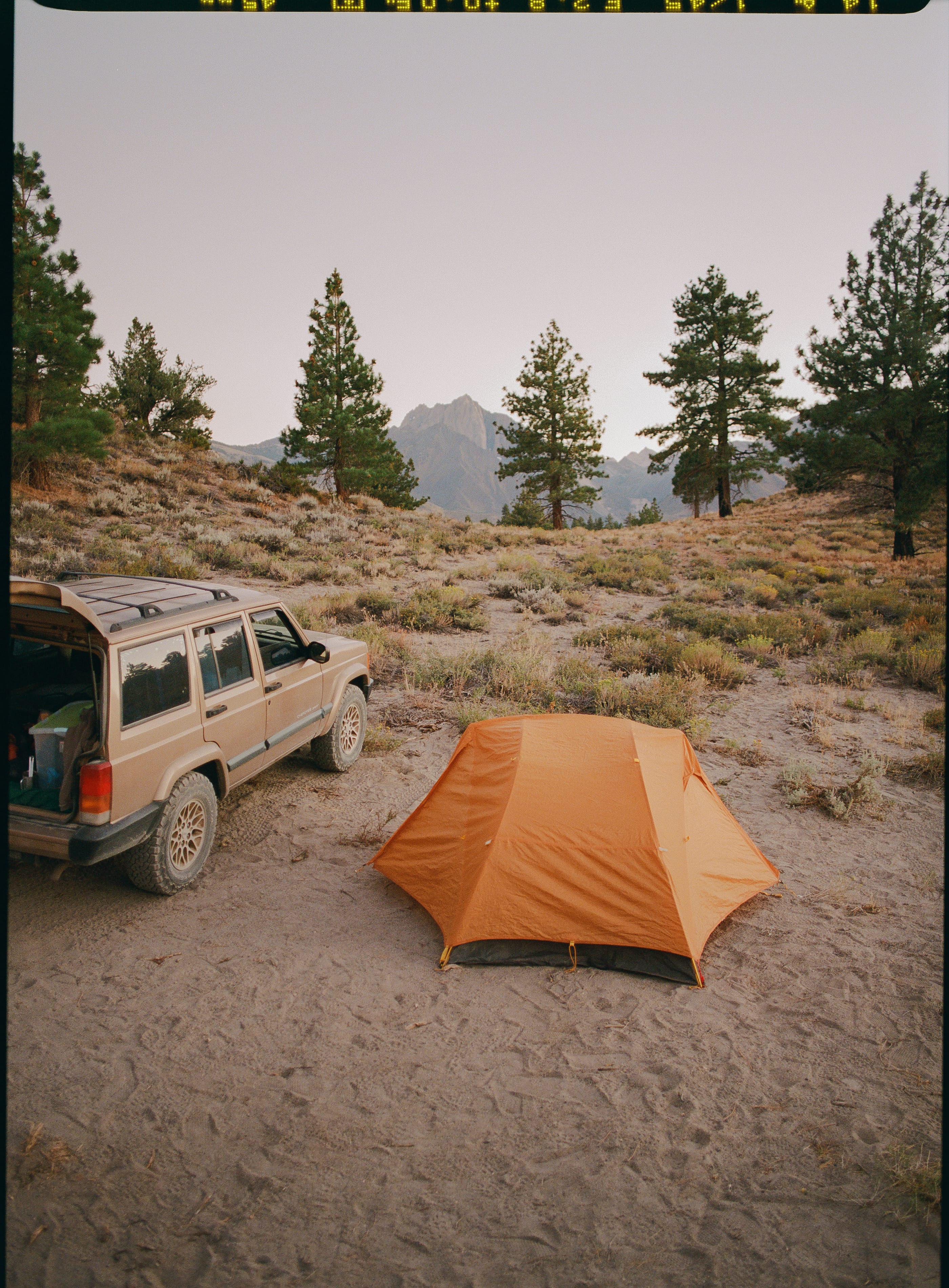
New Mexico’s neighboring Grand Canyon State supports about four times as many people. Colorado has triple. Texas to the east: thirty-two million to New Mexico’s two. The thirty-sixth most populous state in America is more appropriately mentioned in conversation amongst Wyoming, even Alaska. A place through which you can travel for a long while and get that exhilarating yet haunted feeling—you might have to stop the car and step out and watch the desert and nearly hyperventilate—of being the only human in the world, ever. For right now. That’s your queue to get off the highway and pitch a tent, cook over a fire, crack open a beer. Preferably with a few of those close to you, even if they’re the only other people on Earth. For right now.
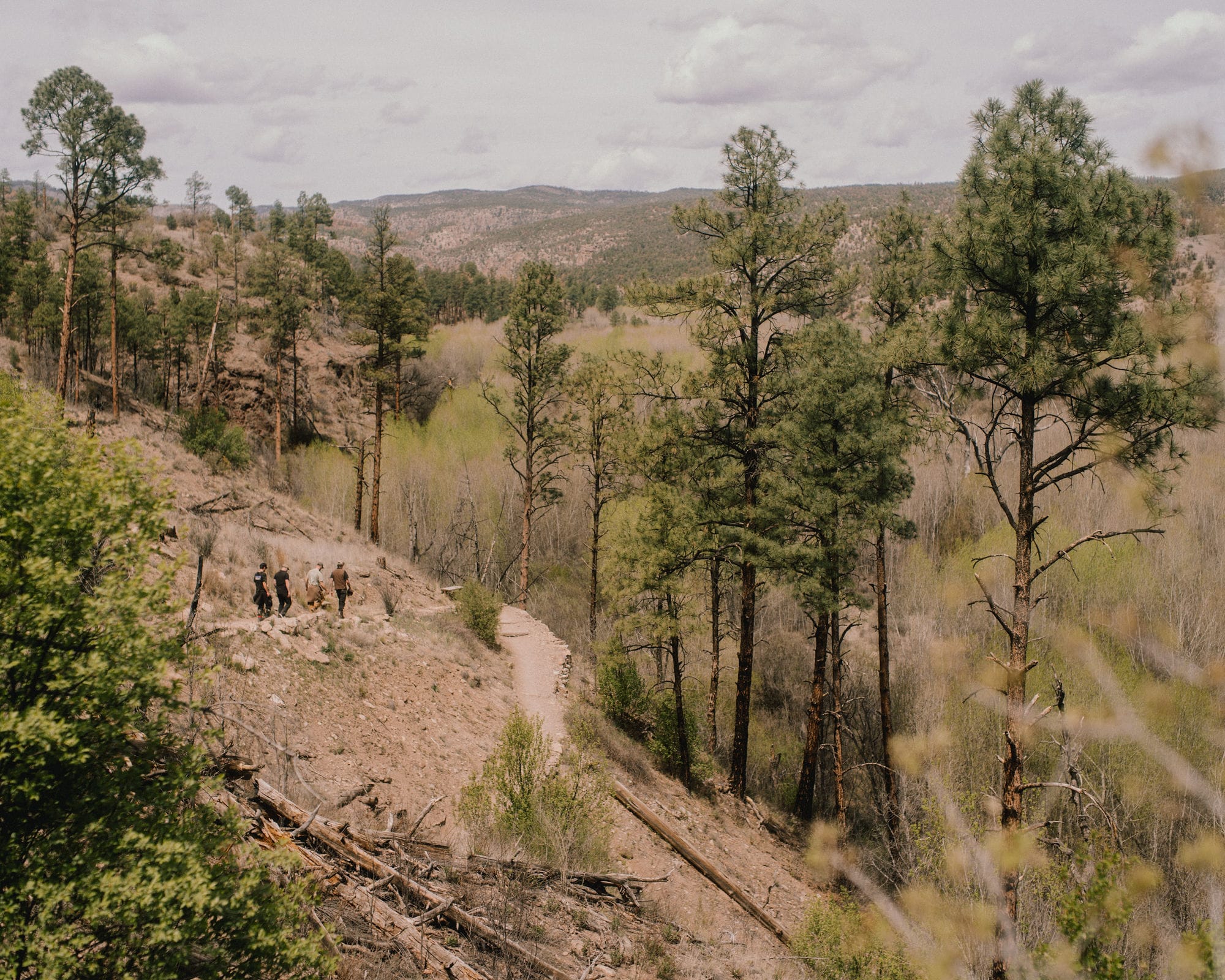
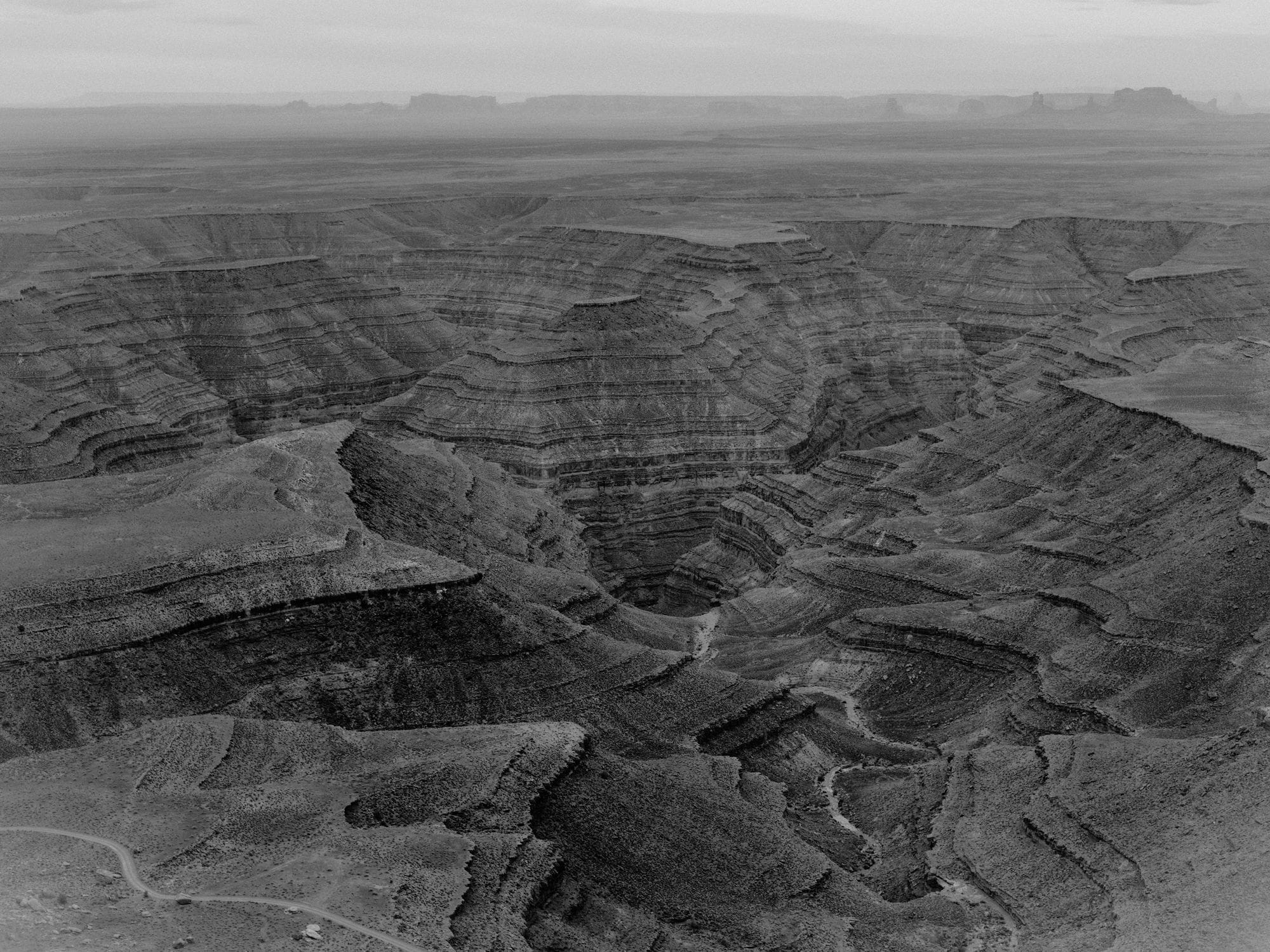
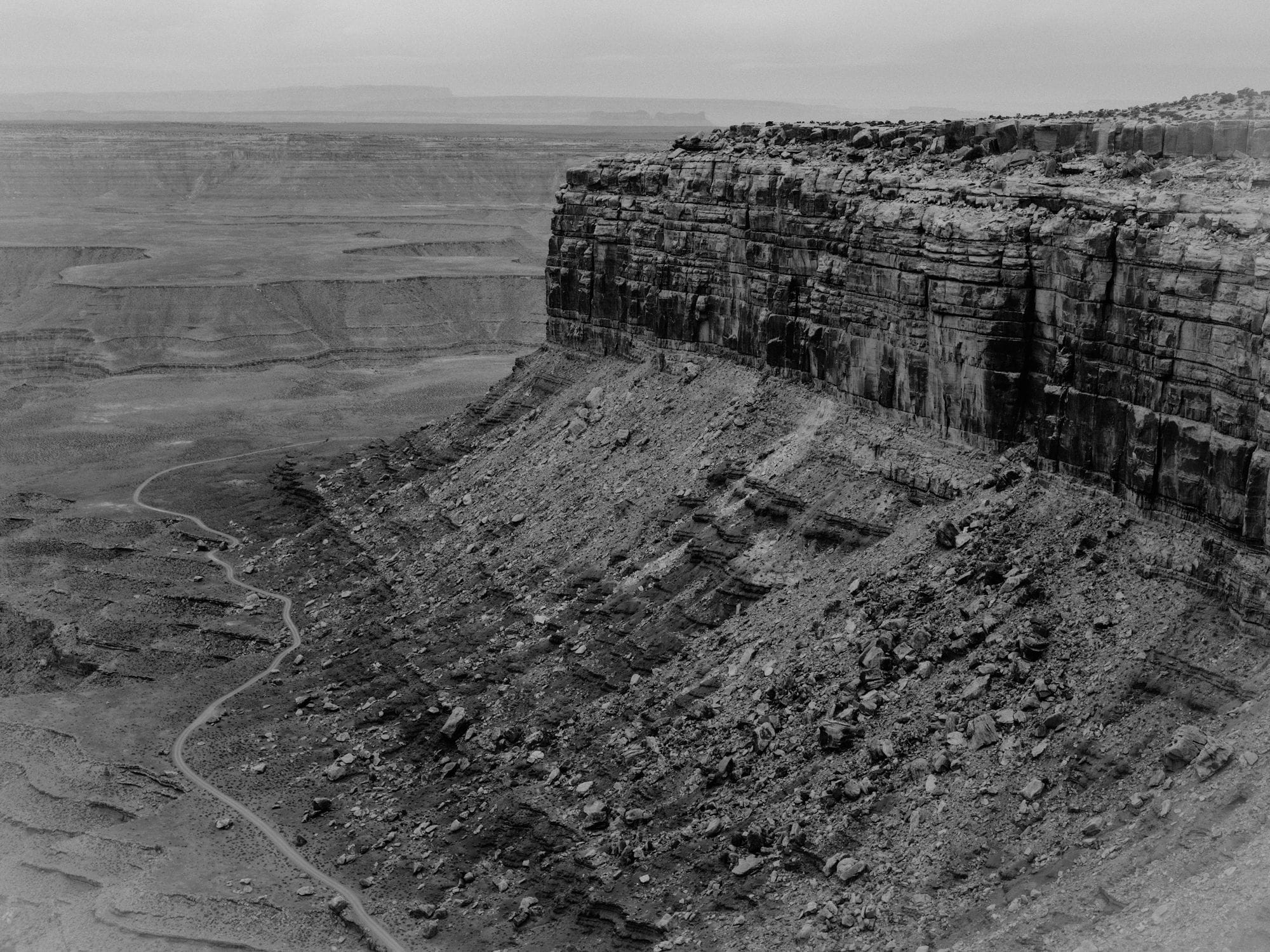
As we drove north on nameless state routes through towns with names like Gallegos, Mosquero, Solano, and Wagon Mound, we switchbacked up a triple-W-shaped road, up a red rock cliff that seemed to stretch from east to west, to infinity. It wasn’t like we were going up a mountain. The world simply got taller.
We ate at Elida’s Café in Springer, New Mexico, just off Interstate 25, south of Trinidad, Colorado. Looking forward to the Amigo Motor Lodge on the Arkansas River, tucked between the front range and west slope of the Rockies. Right in the middle of it. At Elida’s we ate bowls of Chili roja and enchiladas served “Christmas” style—both red and green salsas. A diner—locals only, except us—in which old men in cowboy hats and women in housedresses sat at round tables under fluorescent lights leaning over floral-print vinyl tablecloths. Just another day passing.
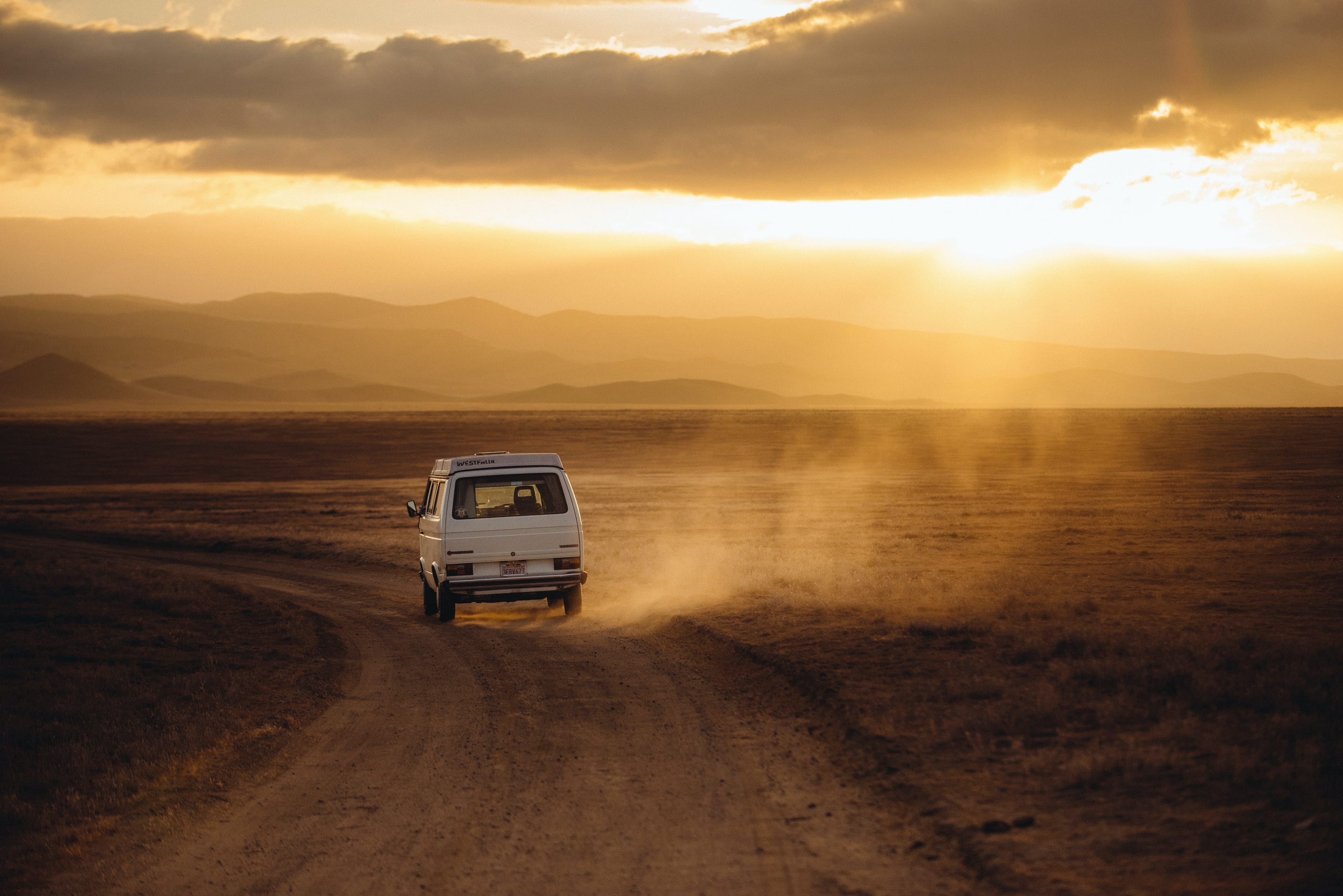
It’s a short segue on Interstate 25 before veering off onto two-lane blacktop, folding yourself into the mountains of central Colorado. The desert vanishing in the rearview’s rearview. The country changes suddenly. A storm shrouds the mountains and paints the horizon—some moving gray wall but the sun still bleeds through, iridescent as the wing of some exotic bird. The state line calls it “The Colorful State,” and it’s true. Then you’re asleep in your overlander or a renovated motor lodge in Salida, hemmed in by alpine vistas, blue ribbon streams, farm to table restaurants and cocktail lounges. What’s in back of you howls out. It’s the empty, bony country you’d passed through and forgotten. Not as glamorous—depending on your thing—but there’s glamor in the dream to get back.
Many nights I’ve laid in bed to sleep near my family, in the high country Rockies of Montana, and have been visited by ourselves in a Jeep parked by ocotillo as the golden hour slides across chains of dark mountainsides, the ones that shelter the end of being.