


Heart of Gold
A mellow wander on the Central Coast reveals a special swath of California.
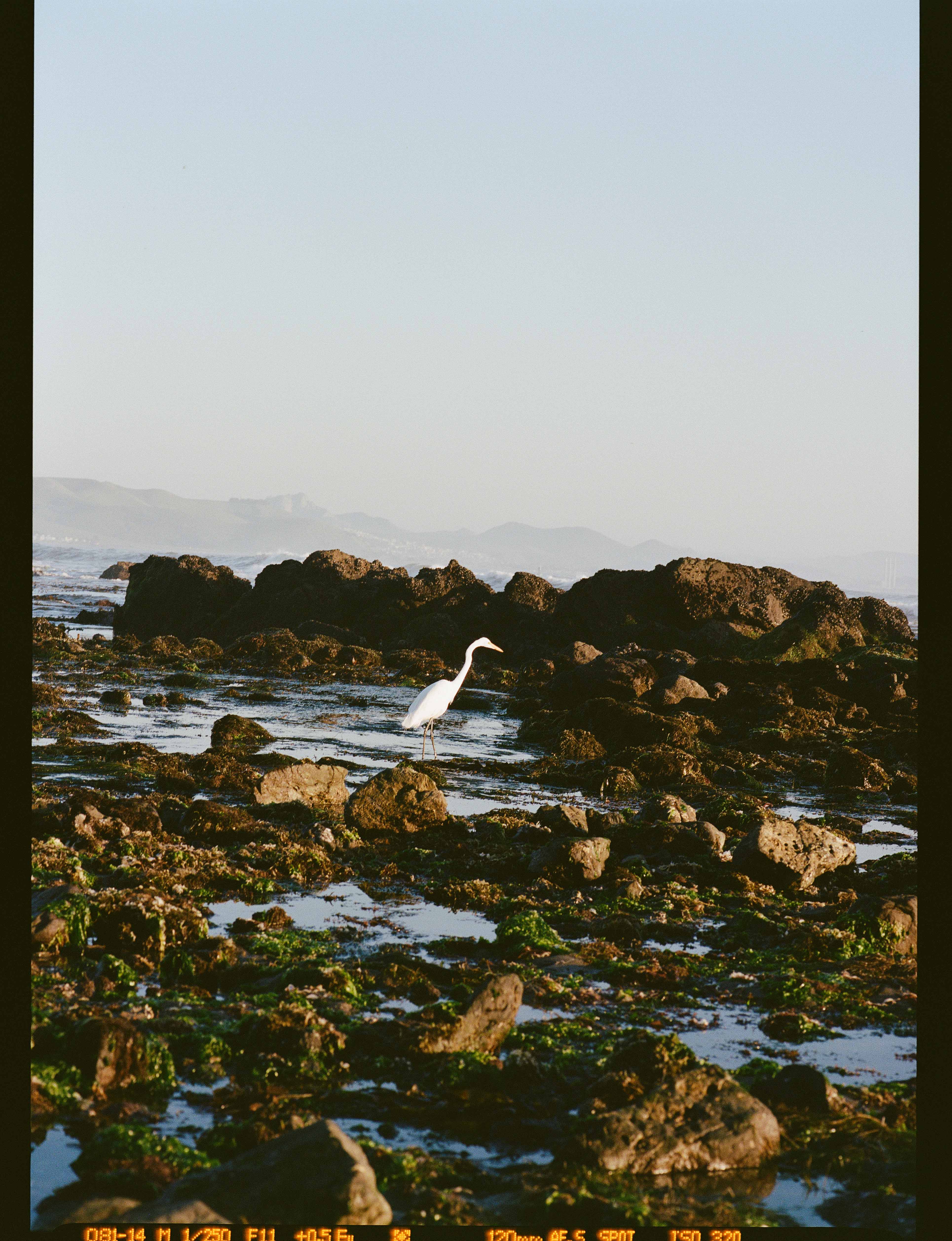
Each spring, leopard sharks ride the high tide to the furthest reaches of Morro Bay, and there in the calm shallows, they mate. Every 28 hours, the tides replenish the bay’s water, carrying nutrients with them. Along the shoreline, snowy egrets perched on bright yellow feet patiently hunt for small crabs, insects, and fish that feed on the microplanktons that drift in from the open ocean.
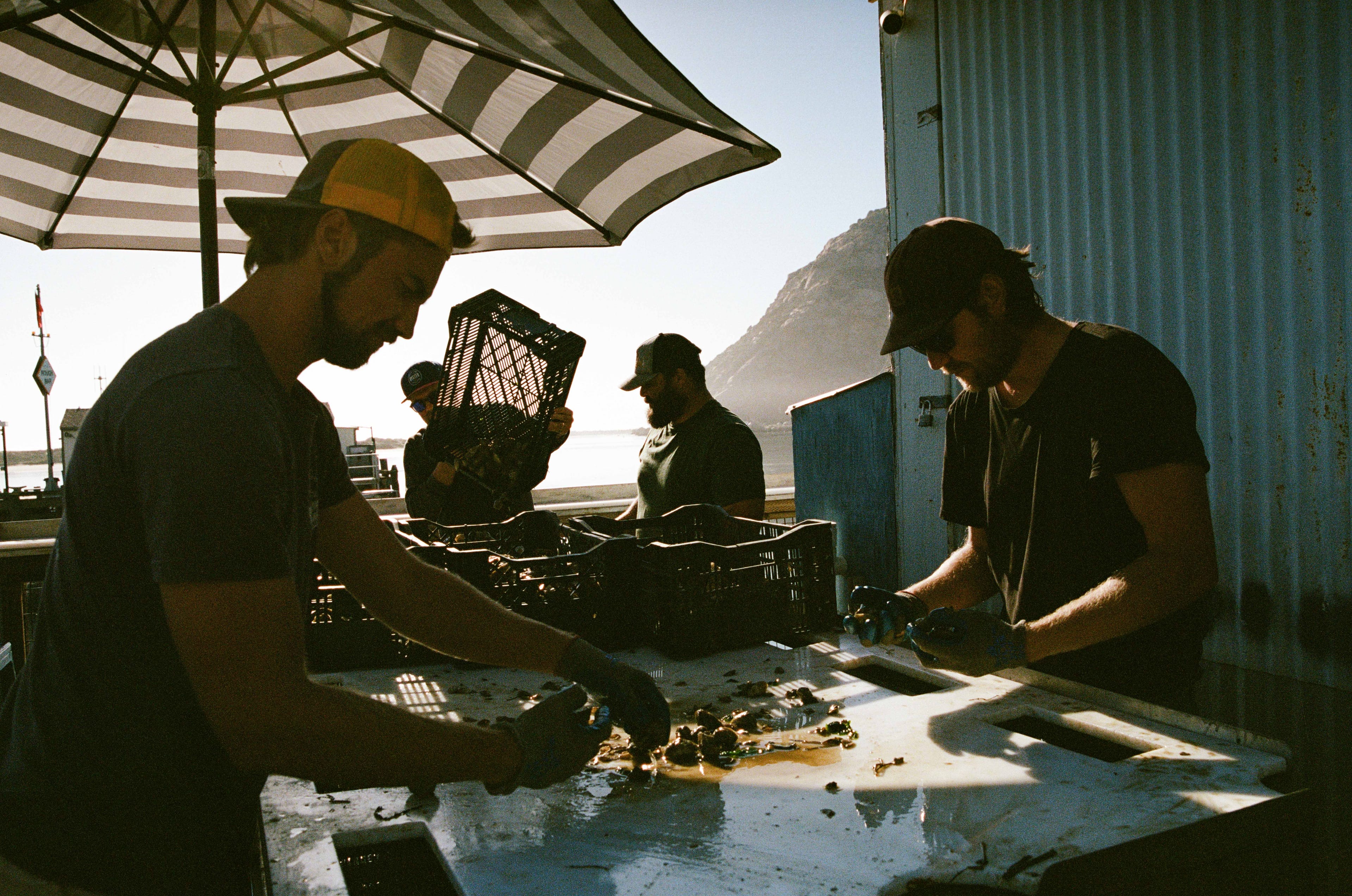
“At low tide, when the birds are all walking in the mud,” says Neal Maloney, a Morro Bay oyster farmer, “there are so many different songs going on. It’s just such a beautiful sound bath.”
California’s Central Coast spans from roughly Santa Barbara to Santa Cruz, and though it captures a very specific kind of Golden State magic, the area arguably lacks brand recognition. “Not LA. Not the Bay,” reads the sign outside Esteem, a surf shop in Pismo Beach. A laid-back atmosphere characterizes the small towns that dot the Central Coast, a feeling that’s reinforced by the open spaces that surround them. “For the first time in my life, I could see people living amid magnificent, unspoiled scenery,” wrote poet Robinson Jeffers, who moved to the region in 1914. “Here was life purged of its ephemeral accretions.”
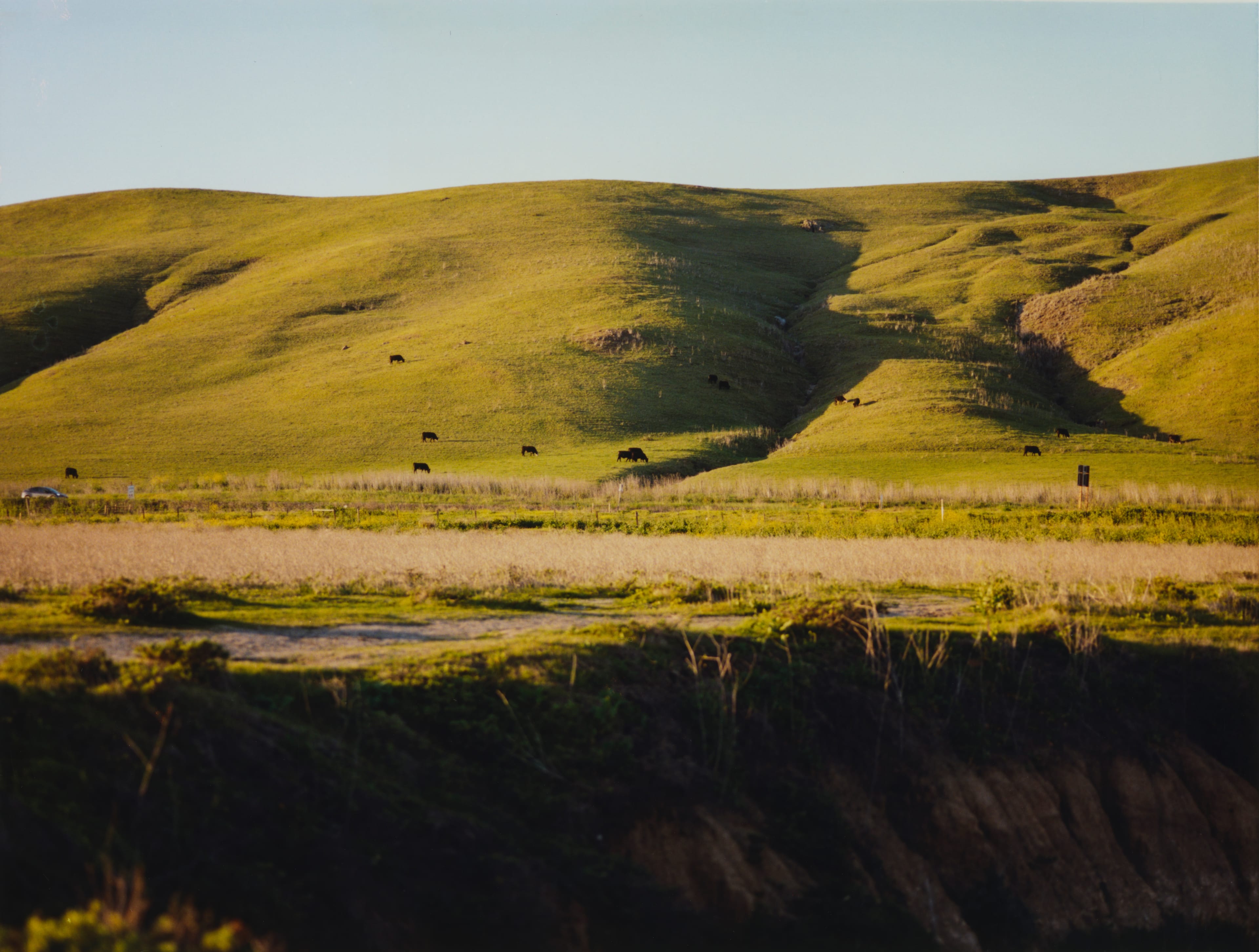
It’s a region of microclimates and microcultures. With its shining Spanish architecture, Santa Barbara stands as both the last outpost of Southern California and the gateway to the Central Coast. Drive west along the Gaviota Coast, with its wide-open views of the Channel Islands and rolling grasslands. Just north of Point Conception, the windswept, crescent-shaped beach at Jalama feels like a world away, despite its campsite and the Jalama Beach Store’s famous burgers.
As it rolls northward, Highway 101 winds between the coast and rich agricultural lands of the inland valleys, and both influence daily life on the Central Coast. Turn inland to Los Olivos, which originated as a stagecoach stop and is now characterized by thriving farmland, wineries and boutiques. Sip an espresso under the trees at Lefty’s Coffee Company, or savor a meal at Bar Le Côte, where seafood and farm-to-table produce gracefully fuse.
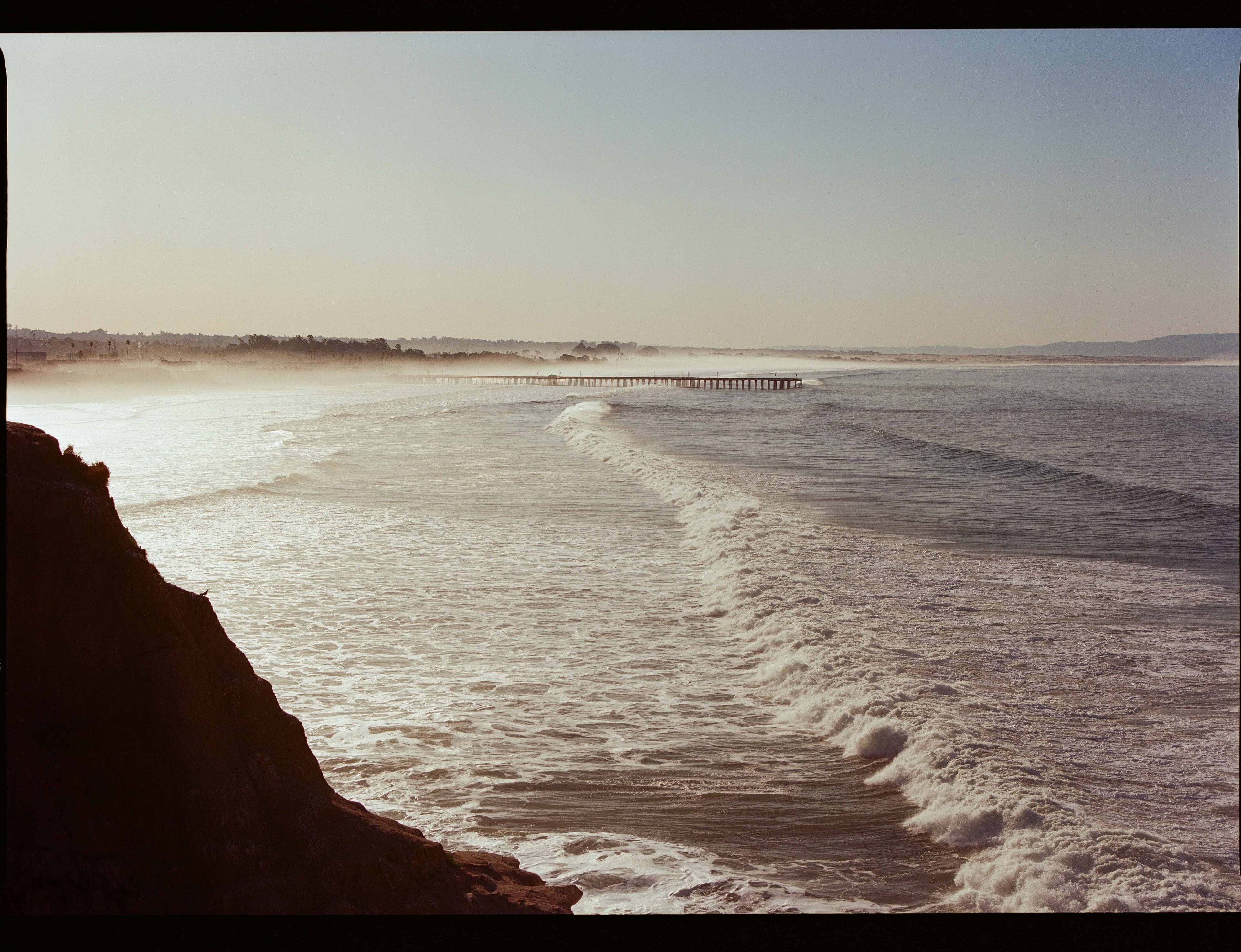
In Pismo Beach, prevailing northwest winds lift sand into the air and when it settles, it forms dunes that shift on the wind’s whims. Between Grover Beach and Avila, the coastline gently curves, so that viewed from a distance, the dunes hover like a mirage over the ocean. Pismo Beach pier draws surfers and beachgoers, and the surrounding neighborhood is sandy-feet approved.
During the summer, the broad, white-sand beach draws a crowd. Escape into the Shell Beach neighborhood for a quieter vibe of pocket beaches and rocky coves.
Where 101 curves inland to San Luis Obispo, a scenic detour beckons. Turn off the freeway and follow Los Osos Valley Road, which, after a brief passage through suburbia, traverses farmland and nature preserves. The route provides a view of Cerro Romauldo, Chumash Peak and Bishop Peak, three of the area’s volcanic hills known as the Nine Sisters. At the back of Morro Bay sits Los Osos, surrounded by picturesque state park lands. If the scenery isn’t enough, Wayward Bakery will tempt any sweet tooth.
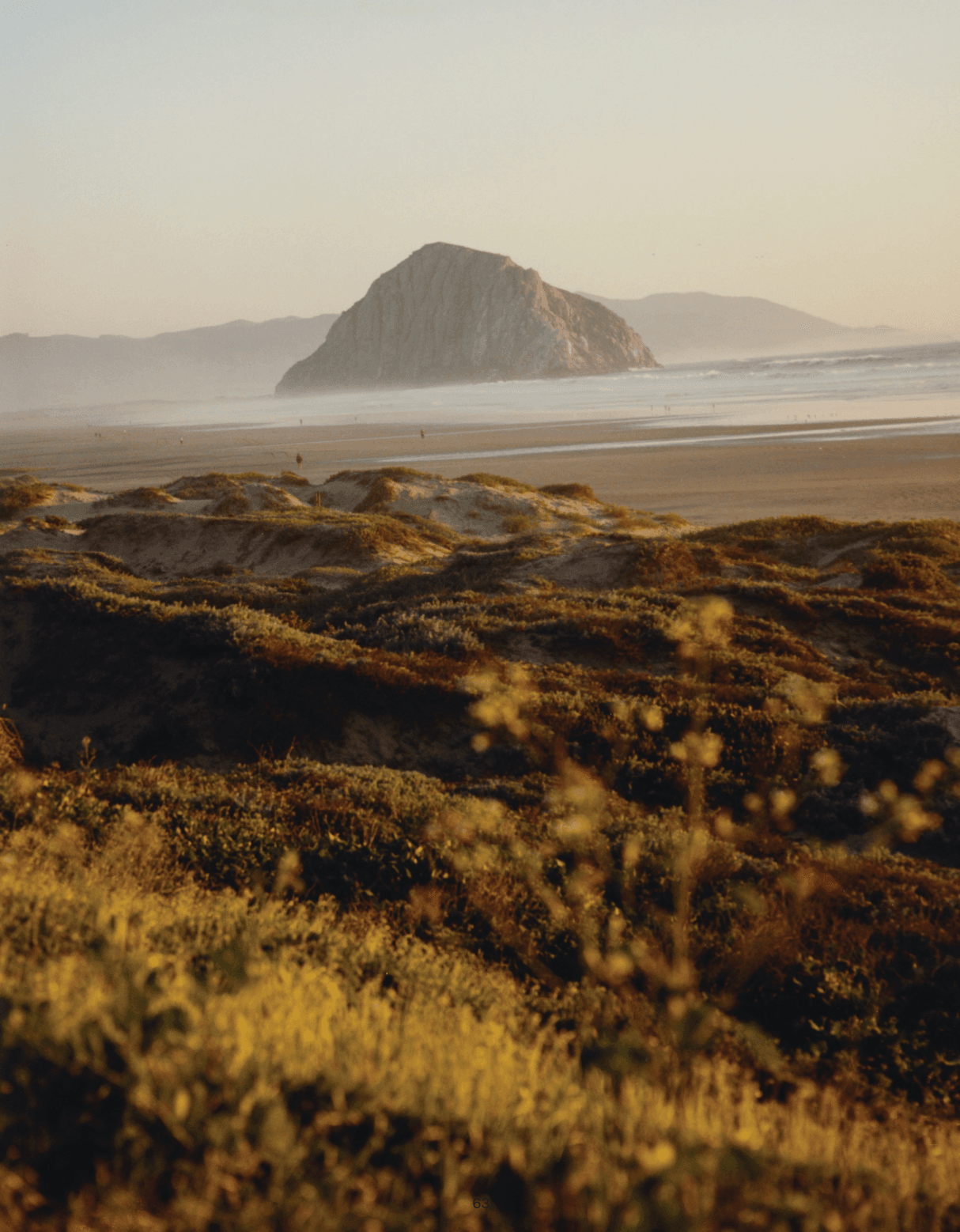
From Los Osos, the road traces the boundaries of the vast wetlands that empty into the bay and curves through the trees at Morro Bay State Park. Sacred to both the Salinan and Chumash people, Morro Bay’s singular landmark derives from an ancient volcano whose magma cooled under a layer of softer sandstone. Spanish explorers gave the rock its current name, Morro, which means “round rock.” Cormorants nest in the crags and scruffy plants cling determinedly to its rugged slopes.
“A WIDE BEACH BECKONS, SHELTERED FROM THE WIND. IT'S RARELY CROWDED, EVEN IN SUMMER.”
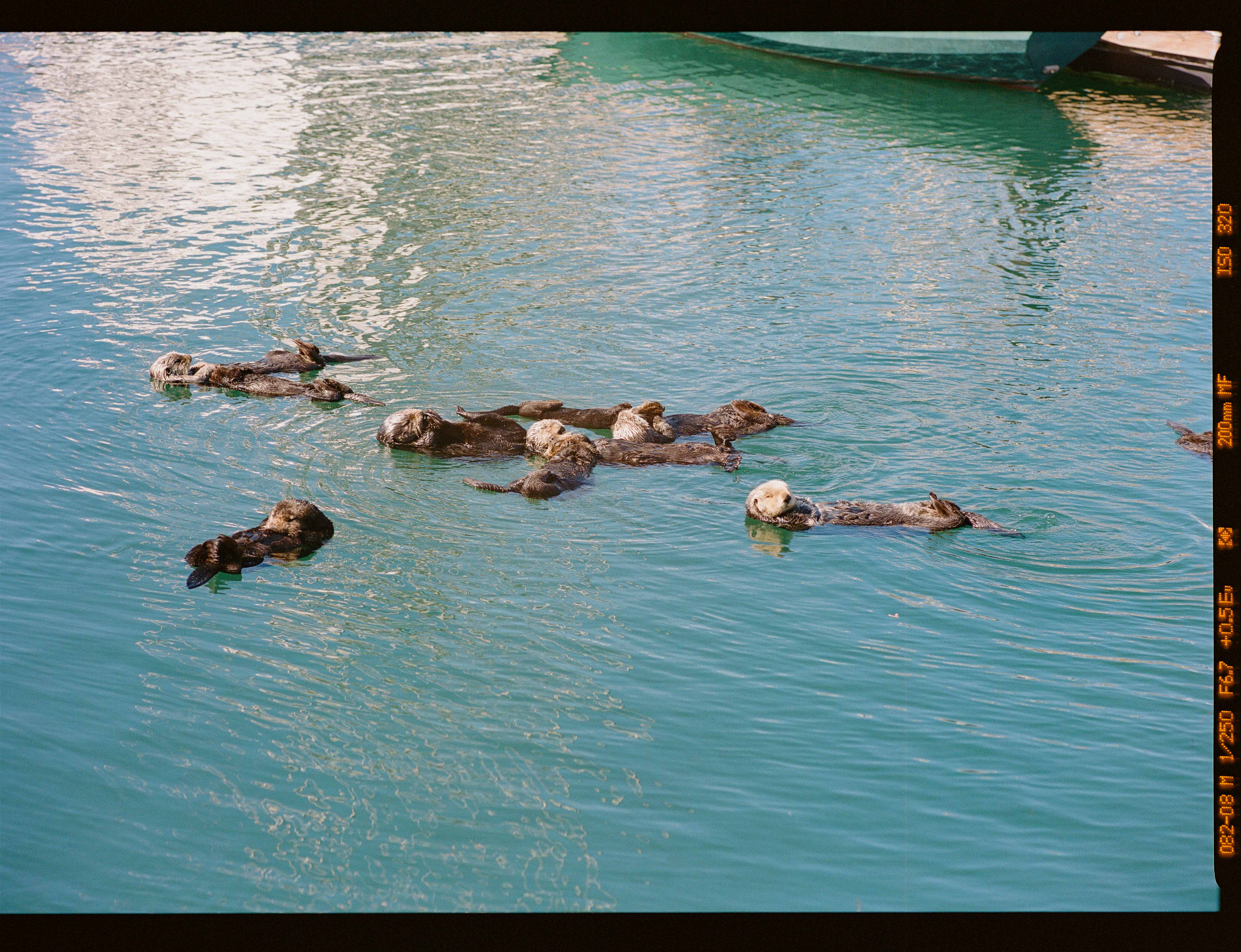
Inside the bay, fishing boats sit moored among sea lions and otters. Fresh-off-the-boat Dungeness crabs, black cod, white seabass and other seasonal catch are available on the waterfront. A low-key surf community watches the sandbars shift in the rock’s shadow.
“There is a strong surfing community, but they don’t talk about it,” says Maloney, whose Morro Bay Oyster Company headquarters is within easy reach of the waves. “The guy out there slinging concrete, who looks like he’s never seen the ocean—he rips.” At Wavelength surf shop, an eclectic collection of vintage boards hangs from the ceiling, a sign of Morro’s enduring surf culture.
Up the hill in town, a large ginger cat saunters down the sidewalk like she owns the place. Her name is Nachos Grande, and with a swish of her tail, she slips between the buildings to the secret garden behind Beads of the World. Up the street, gossip flows on the sidewalk outside the Sunshine Market, a natural food store, and the neighboring Shine Cafe. A second-hand store, Treasures, sits right next door. Wander over to Coalesce, where new, used and rare books crowd the shelves, or relax with a yoga session and sound bath at Let’s Get Tuned.

Up the coast at Cayucos, a wide beach beckons, sheltered from the wind. It’s rarely crowded, even during the summer. And that’s just the beginning. On up the highway, there’s more to discover. Hidden coves. Rocky beaches. Dramatic forested hillsides punching through the billowing fog.
“As you travel up and down the coast, you blink and you’re in another world, like literally another state,” says Maloney, the oysterman. “And that’s just how California is.”