



Secrets of RV Solar Conversion
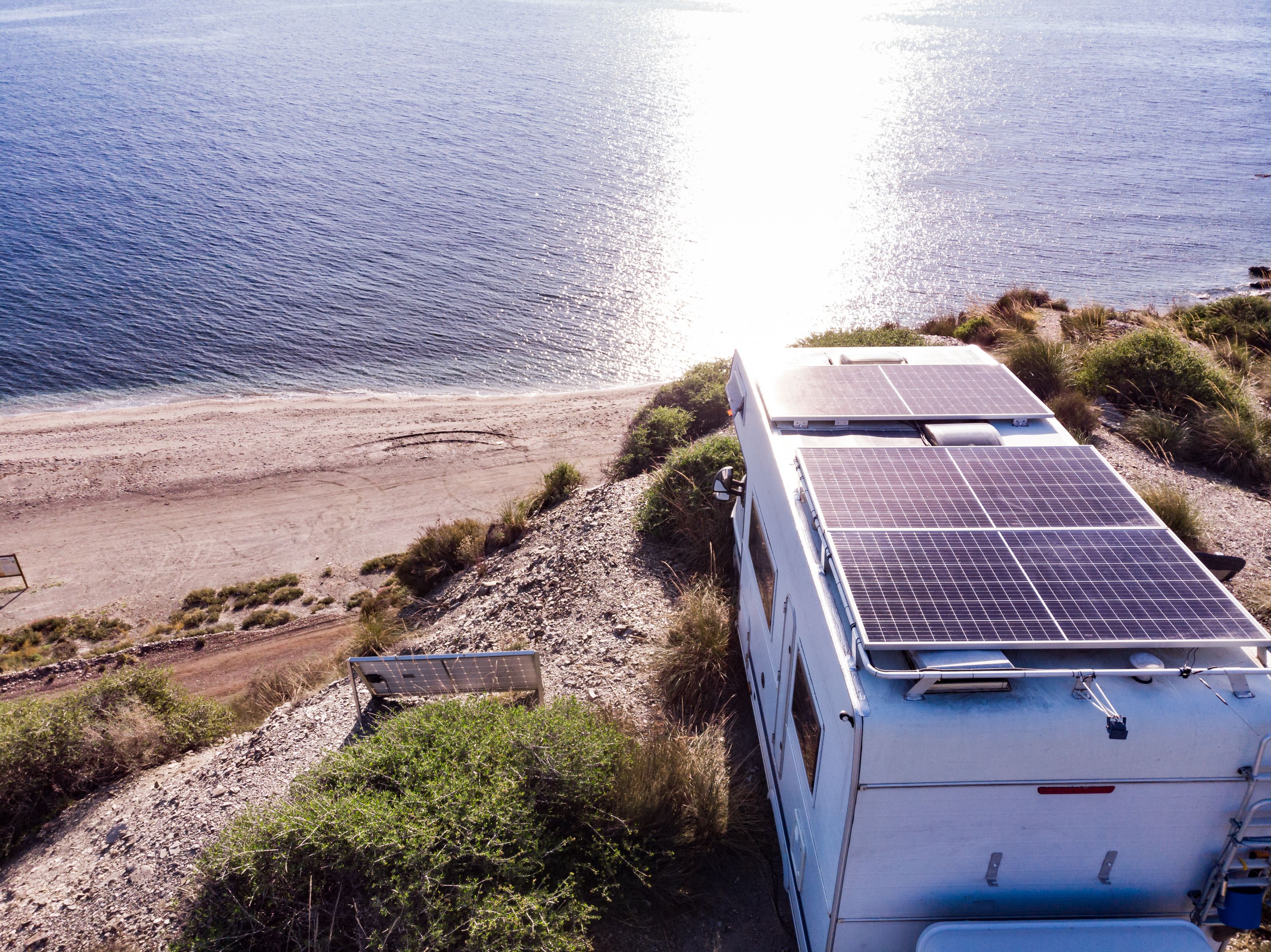
You want to run that rig on the sun, but have questions. A hybrid approach may be the answer.
The appeal of RV travel has always been rooted in independence—the ability to take your home wherever the road leads. But that freedom has traditionally depended on hookups or the steady hum of a generator. Solar power has changed that equation. Converting an RV to solar isn’t just about being eco-friendly; it’s about control, quiet and long-term sustainability. Still, going fully solar isn’t always realistic for every traveler. That’s where a hybrid solar/generator approach comes into play—a flexible system that balances autonomy with reliability.
Understanding the Basics of RV Solar
At its core, an RV solar setup is relatively simple. Solar panels mounted on the roof capture sunlight and convert it into electricity. That energy flows through a charge controller, which regulates voltage, and is stored in a battery bank for later use. An inverter then converts the stored DC power into AC electricity, which runs most 120-Volt AC household-type appliances.
The complexity lies in sizing and configuring the system. RVers must consider how much power they actually use—lights, fridge, coffee maker, microwave, etc. Daily energy consumption, measured in watt-hours, determines how many panels and how much battery capacity you’ll need.
A minimalist traveler who relies on LED lighting and propane appliances might get by with a few hundred watts of solar and a modest battery bank. A full-time RVer running multiple devices, however, may need upwards of 1,000 watts of panels (which won’t fit on the roof) and several kilowatt-hours of battery storage.

Advantages of Going Solar
Solar power offers several clear benefits for RV life. First and most obvious is silence. Unlike generators, solar systems operate quietly, which makes a significant difference in remote or scenic environments. There’s also the convenience factor—once installed, solar systems require little active management beyond monitoring battery levels.
Another major advantage is long-term cost savings. While the upfront investment can be substantial, especially with lithium batteries, solar reduces or eliminates fuel costs and generator maintenance over time. For frequent travelers, this adds up.
Finally, solar enables true off-grid capability. With sufficient capacity, RVers can stay in remote locations for extended periods without relying on hookups, opening up a wider range of camping opportunities.
The Limitations of Solar Alone
Despite its appeal, solar isn’t a perfect solution. The biggest limitation is variability. Solar output depends on sunlight, which means cloudy weather, shaded campsites, and shorter winter days can significantly reduce power generation.
Energy-intensive appliances present another challenge. Air conditioners and electric heaters draw large amounts of power—often more than a typical RV solar system can sustainably provide. While it’s technically possible to build a system that supports these loads, it requires a large investment in panels and batteries, as well as sufficient roof space.
There’s also the issue of storage. Batteries can only hold so much energy, and once depleted, solar panels can’t recharge them without sunlight. This creates a gap that can be difficult to bridge during extended periods of poor weather.
A Hybrid Solar/Generator Approach
Rather than choosing between solar and a generator, many RVers opt for a hybrid system that combines both. This approach leverages the strengths of each power source while compensating for their weaknesses.
In a hybrid setup, solar serves as the primary energy source, handling daily loads and keeping batteries topped off during normal conditions. The generator acts as a backup, kicking in when solar production falls short or when high-demand appliances are needed.
This arrangement offers a level of flexibility that pure solar systems often lack. Instead of overbuilding your solar array to handle worst-case scenarios, you can size it for typical use and rely on the generator for occasional support.
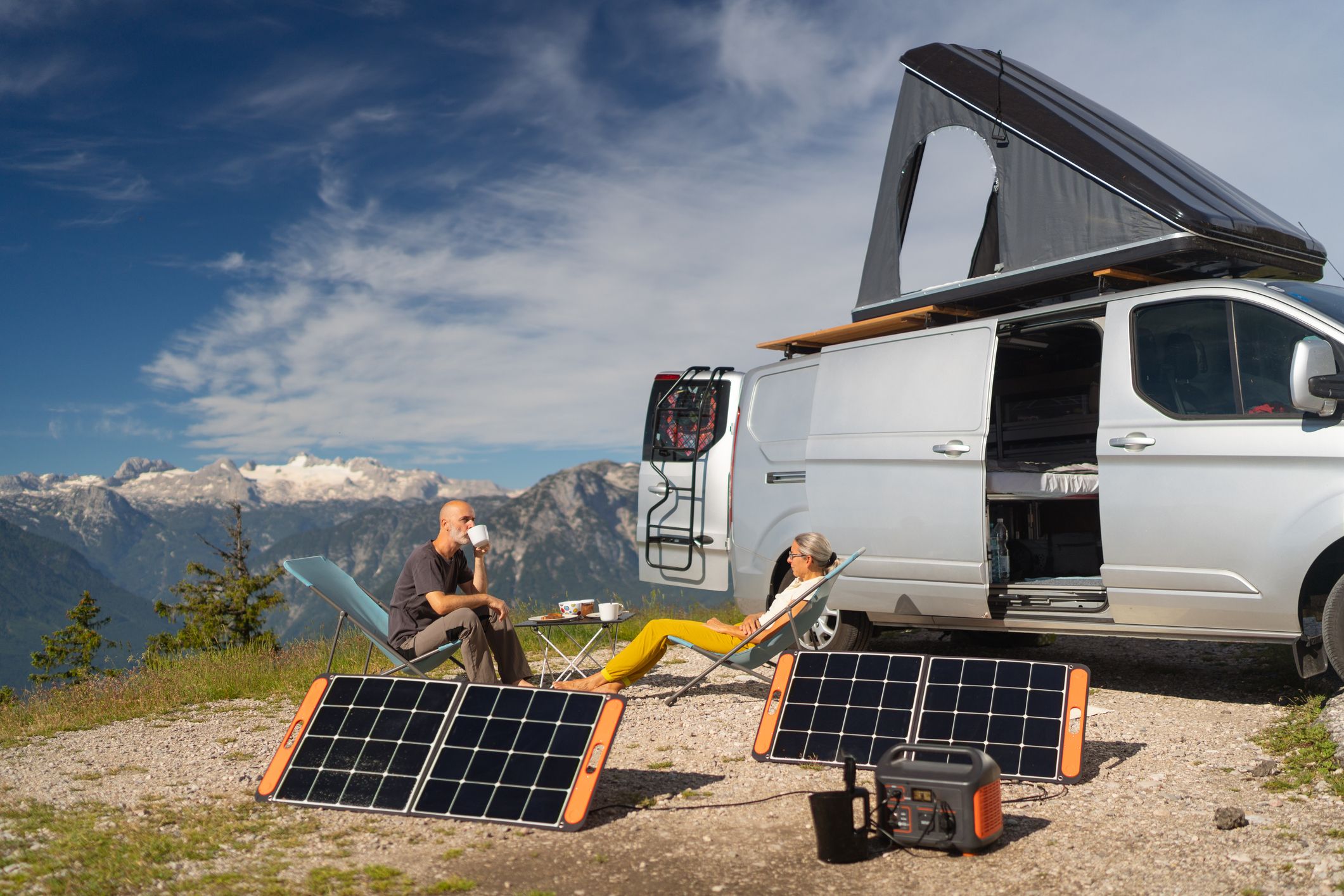
Inner Workings of a Hybrid System
A well-designed hybrid system integrates solar panels, batteries and a generator through a central power management setup. Many modern inverter/chargers can automatically switch between power sources, ensuring seamless operation.
For example, during a sunny day, solar panels charge the batteries and power the RV’s electrical loads. At night, the batteries take over. If the battery level drops too low—say, after several cloudy days—the system can trigger the generator to recharge the batteries and power appliances.
Some setups allow for manual control, while others are fully automated. Advanced systems can even optimize when the generator runs, minimizing fuel use and noise by charging batteries efficiently during shorter run times.
Benefits of the Hybrid Approach
The biggest advantage of a hybrid system is reliability. You’re no longer entirely dependent on weather conditions, which makes long-term off-grid living more practical. This is especially important for travelers who venture into regions with unpredictable climates.
Cost efficiency is another benefit. Instead of investing heavily in extra solar panels and battery capacity to cover rare scenarios, you can allocate part of your budget to a smaller generator. This often results in a more balanced and affordable system overall.
More Summer RV Travel Stories
Check out the full June 2026 Digital Issue of Wildsam Magazine.